There’s a common misconception amongst people who know me that I openly dislike the 1995 SquareSoft RPG known as “Chrono Trigger”. Indeed, I have spent a large amount of my time decrying its influence on the gaming industry at large with projects like Sea of Stars or any of the other 1,500 alleged progeny of its ideals; but my qualms end right there, at its influence.
To me, Chrono Trigger is an ambitious take on the RPG formula that had been cultivated across the NES and SNES libraries over the decade leading to its conception. Seeing Final Fantasy morph from static turn-based screens with skill pages to the absurd cinematic presentation of Final Fantasy VI where characters flip and flop around was a jump in itself, but Chrono Trigger considered every aspect of these experiences to make something familiar yet new. Multiple endings, mini-game integration, more active combat scenarios…everything about Chrono Trigger was a reaction and evolution to what the powerhouse creatives behind it had learned up to that point.
When we see a work inspired by Chrono Trigger, conversely, it is often the freshman project of its budding developers; the long held dream of a few creatives to recreate that magic from their youth. Yet this was not how something like Chrono Trigger was made, and thus it becomes increasingly hard for a developer to capture the things that made this art work when they themselves haven’t experienced the level of self-reflection that such a work requires. Yes, they can capture the surface level concepts of multiple time periods and having a funny animal-based companion, but they lack the framework and experience to create something evolutionary.
All this preamble is to say it’s been exceedingly funny watching Square Enix go on to create their own riffs on Chrono Trigger that run into these exact same problems.
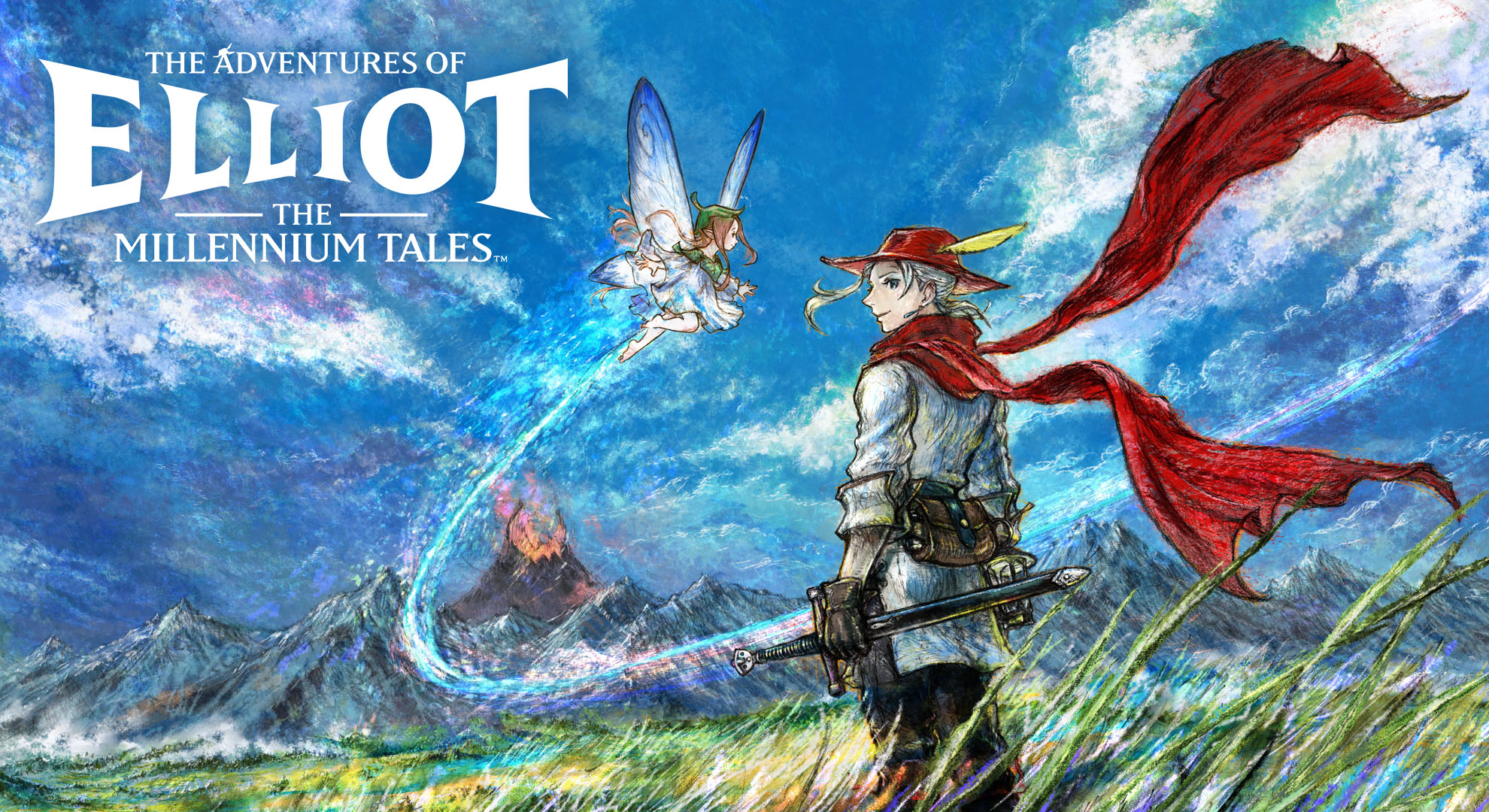
The Adventures of Elliot: The Millennium Tales is a game most similar to Secret of Mana or something like Ys: Memories of Celceta. From a top-down perspective you wander around, cutting down various enemies and solving rudimentary platforming or block-pushing puzzles. You have access to several weapons, but unlike in something like Secret of Mana where you’ll choose what to employ based on an inherent weakness of your foes, you can pretty much use whatever you want, whenever you want. There’s benefits to using ranged weapons on fast enemies that are constantly moving as you’d assume, but you aren’t doing tangibly more damage with a lizardman-slaying sword as an example. In this way things feel a lot closer to something like A Link to the Past, where you just sort of stick to your defined sword, level it up, and use side weapons like boomerangs or bows as desired or if a puzzle demands it.
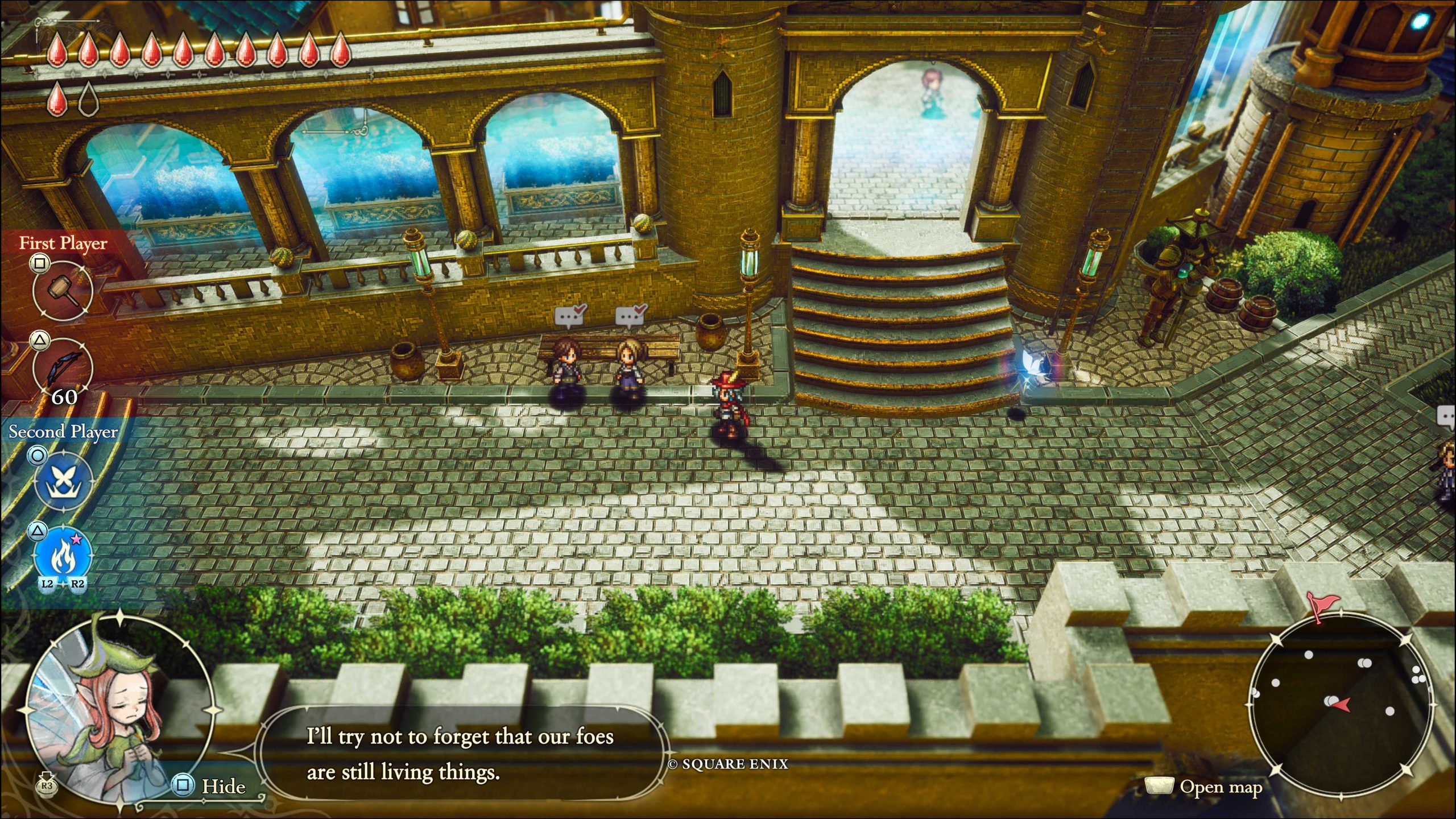
The only really interesting wrinkle to this tried but true formula is the addition of Faie, Elliot’s fairy companion with her own slew of magical abilities. You can control Faie by using the right stick of your controller to move independently of Elliot (or through local co-op) and gain access to super speed, teleporting, fire magic, wind magic, and a mirrored clone of Elliot to help in combat. I was immediately charmed by the idea of operating a second character with the same controller. It’s not exactly the most common thing in games; with the only immediate example coming to mind being The World Ends with You, and even modern releases of that game have neutered the concept.
The story is pretty straightforward, even compared to JRPGs of eld. Elliot is an adventurer, he loves doing quests for people, and he lives in a world with fantasy racism against “beast tribes”, where humanity has been pushed back behind the protective magical walls of a castle town. As one might expect, Elliot finds himself quickly wrapped up in bettering the state of his world, primarily through the usage of Doorways that lead to three past eras: The Age of Budding, The Age of Magic, and The Age of Reconstruction. While Elliot makes his way through the rise and fall of a precursor civilization, he comes to understand various secrets about the world, and himself.
The Adventures of Elliot is a pretty idea that becomes a banal slog, and its lack of growth and imagination become more and more clear the further you get into the 25 or so hour game. It’s not completely devoid of ideas, but its refusal to provide a meaningful backbone to its mechanics, its world, and indeed even the very story it spends lavish amounts of fully voice acted cutscenes on, has left it as nothing more than a quick memory in my past.
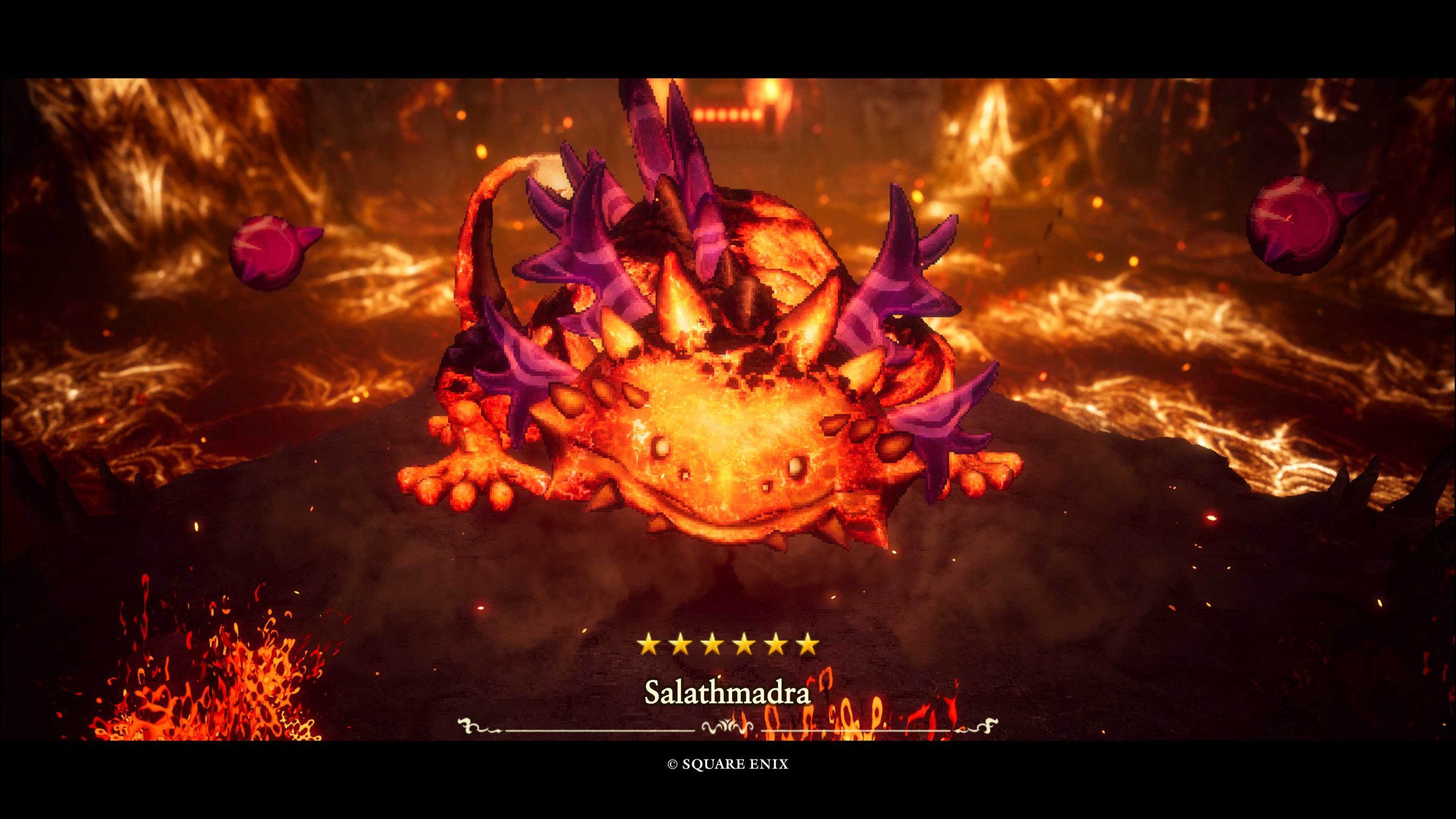
Starting with the core gameplay loop; you’ve seen pretty much everything Elliot has to offer within your third hour of play. Weapons function differently, but you merely use them to break your way through certain paths, rather than meaningfully changing the way you approach combat as a whole. Even Zelda games go out of their way to present you with enemies that are more easily felled with whatever new item you found in the dungeon, and that’s been the case for over 30 years. I played on Elliot’s hardest difficulty to see if there was anything to combat when faced with a greater challenge, and found myself using the same two or so weapons for basically every enemy I ran into.
Equally simplistic are the various puzzles you’ll find scattered throughout the dungeons of Elliot’s world. If you’ve played an older 2D Zelda, you’ll feel right at home here, but I truly believe we shouldn’t accept that as good enough anymore. Countless indies like Hyper Light Drifter or Unsighted have come out over the years, bringing with them complexity in puzzling and pugilism, yet Elliot is content to have you push a block and call it a day.
Things almost get interesting when you take Faie’s abilities into account, especially her teleportation and cloning powers, but the mostly optional nature of these abilities mean that much of the game doesn’t account for them. This was especially frustrating to realize after I took advantage of the game’s co-op features with my wife, which allows a second player to control Faie freely. What started as a fun game of her blasting me with fire and teleporting me as a bit quickly fell into “look at your phone” levels of tedium, since so much of the game was resoundingly simple, there wasn’t much for her to do.
What confused me most about Faie was how an item you can buy at the very beginning of the game invalidates most of her skills. Right from the get go, you can buy a cloak that allows Elliot to float over gaps like Princess Peach. This almost entirely negates the need to use Faie’s teleportation and many of the skills used to solve puzzles since you can effortlessly fly over the environment to wherever you need to go. It’s not like this was some weird Minecraft type accessibility option I turned on accidentally—it’s just an item you put on! It’s in the first shop you find in the game!
Hearing about the ease of exploitation may lead you to believe you could at least have an interesting or fun time cheesing your way around Elliot’s world, but it’s so resoundingly dull. There’s no real difference between the ages outside of the main (and only) city, and what rooms of the cookie cutter dungeons you’re allowed to get into for a treasure chest. The overworld looks the same regardless of age, the enemies are always the same, in the same places, with the same items. Even the least inspired Ys game squeezes out a baffling amount of enemy diversity on their meager budgets; this is the best Square Enix can do?
Speaking of treasure chests, what you actually find in them is similarly disappointing. You either find a statistical and visual upgrade to your weapons (two for each weapon), or one of Elliot’s most baffling items: magicite.
Magicite are little gems you can slot into your various weapons over the course of your adventure that modifies how they feel to use, or the types of buffs they offer. There’s two ways to obtain magicite; from random treasure chests out in the wild, or by crafting them via a random draw system that utilizes a currency you get from defeating monsters. This “gacha” system is profoundly puzzling, and feels like it’s been implemented purely because gacha games are the game de jour in the mainstream RPG space. Each time you do a “pull” you’ll get one of a dozen or so magicite that exist for each weapon, and the magicite you find out in the world are drawn from this same pool. If you remember to go back to town for your magicite 10x pull, you’ll accrue several hundred magicite just by playing the game, leaving most of the treasure chests in the game feeling largely useless as they reward you with the same magicite you’re raking in by the dozens.
This is hardly a problem exclusive to Elliot—indeed most modern RPGs have struggled with rewards in an era of crafting—but even compared to the endless side-paths culminating in a potion or antidote in your Personas and Bravely Defaults, getting duplicates of a gem like it’s junk gear in a sloppy ARPG is rough. It’s one thing to play God of War and get the bracers that increase poison resistance by 2.8%: it’s another to get them again, and again, and again as your only rewards. In something that’s meant to be a call back to Square RPGs of eld no less! Is nowhere safe from gambling’s foul corruption?
Similarly frustrating is the story of this underbaked Millenium Tale. We’ve talked ad-nauseum about fantasy racism and the laziness of its usage in works of fiction over the years, but Elliot doesn’t even try to be as heavy-handed as a Final Fantasy XVI or a Metaphor. Instead, despite ostensibly being the main crux of the game, Elliot spends much of the time talking about the savage beastmen, and how it’s only right to kill them all because they attack you on sight, like faceless Fire Emblem bandits. Well, he does until he meets the beautiful humanoid catgirl the later game is based entirely around, who receives just as much prejudiced scorn as the speechless slimes in the jungle.
What’s going on out there, genuinely, where so many works have this fixation on the othering of fantasy races as if it’s compelling or says something? Is this where we’ve ended up as it’s become gradually more unwelcome to make offensive globe-trotting Indiana Jones style stories that portray the other as disturbing and savage? Even Final Fantasy XIV retired their “beast tribe” moniker in-game several years ago, realizing the issues and connotations inherent to the concept. Why are we still making games where it’s okay to kill entire societies of conscious creatures because we can’t understand them?
The story isn’t all bad; I enjoyed some of the more unique characterization ideas, and especially the events leading up to the true ending, since they more meaningfully connect to Elliot himself. Voice acting is surprisingly good, which isn’t that surprising since Octopath Traveler 2 has one of my favorite dubs I’ve seen outside of Tales games (Temenos my beloved). There’s a charm to the simplicity of the story, especially with how it really wants to believe in the idea of people being good at their core. But its mashing of that ideal up against the reality of how the beast tribes are portrayed, and the completely static presentation of the world state across the ages is not exactly endearing.
There’s a degree of almost familiar comfort to the sort of story The Adventures of Elliot tries to tell; it’s the type of comfort I’ve often heard fans of the Dragon Quest series espouse. As we grow, the types of stories we find interest in can change and deepen, trading base level black and white fables for deeper, more intimate stories with the type of nuance we become acquainted with as we age. It only makes sense then, that we would find a sense of calm in a return to that way of thinking, those stories that planted the seeds of imagination in our young hearts. I can’t deny it had some sort of effect on me in the opening hours, but as I progressed I gradually began getting a grip on exactly why I had grown out of these basic parables.
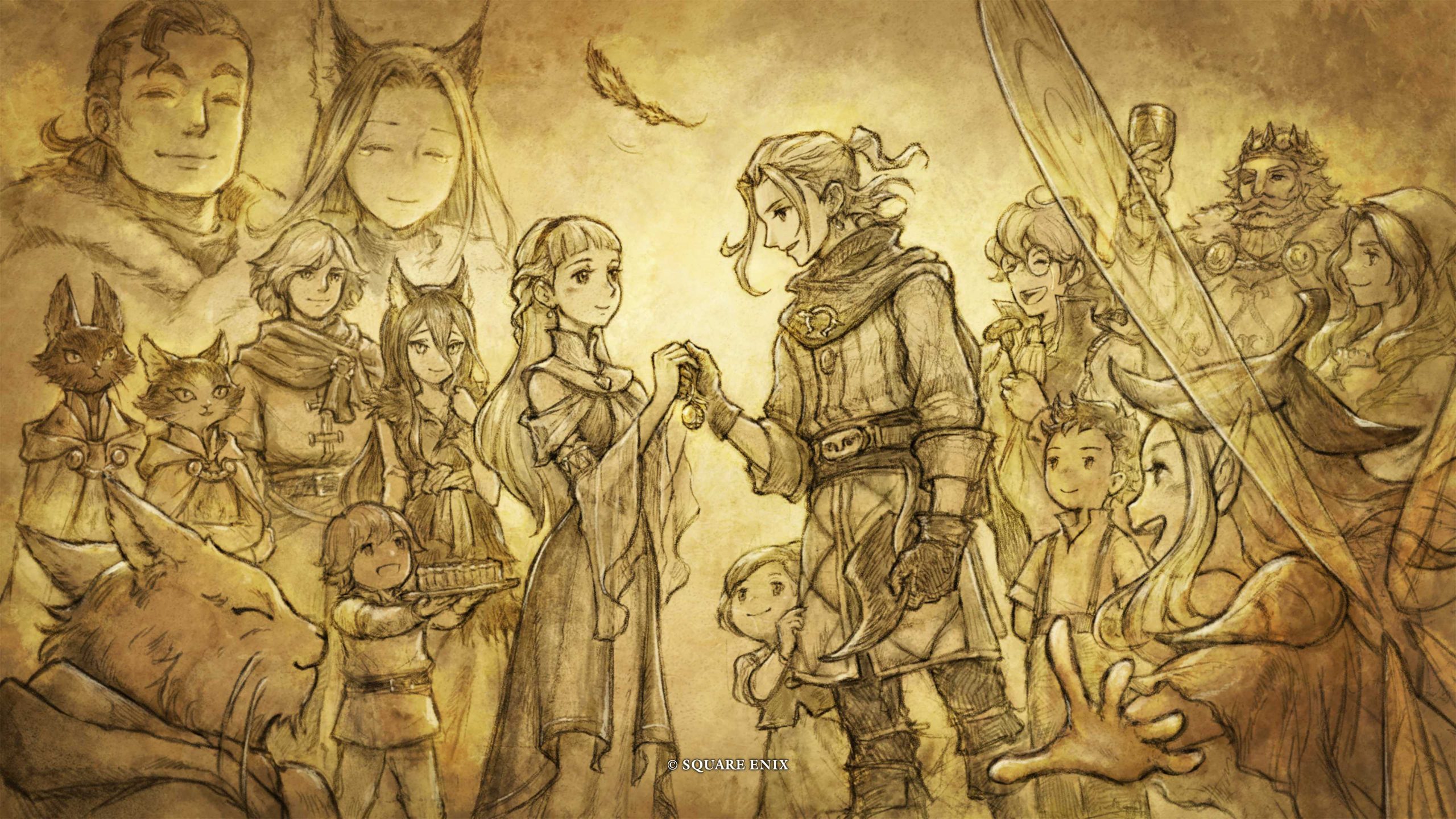
What confounded me most about the game, came at its end. Similar to Chrono Trigger, Elliot attempts to present you with multiple options on how to approach its final boss. Unlike the malleability of Lavos—and the way that game considers its routing in an almost jokelike manner that plays off your expectations—Elliot basically directs you into two different half-written bad ends, with its true ending hidden behind several unmarked quests on the world map that add several hours of gameplay. I’m not one to deride the concept of a “bad end”, but at the same time neither of these conclusions that head straight to the game’s credits present anything approaching an interesting lens on things. You’re basically being directed towards two different game over screens, so that the game can confidently declare it has deceived you.
I didn’t completely hate my time with The Adventures of Elliot; I just expected more, especially out of Team Asano, a development group that has gotten consistently better with each of their games. This doesn’t feel like a culmination of the things they’ve learned from Triangle Strategy or Octopath Traveler. It’s a work that wears out its welcome, losing the grace its first impressions and calls to nostalgia elicit. I think a second Elliot game that seriously interrogates both what type of world it’s in, the people in it, and the minutiae of its combat system could be a really great time! As is, I kind of wish I had the time I spent with this game back.
Disappointing
"A Millennium Fail"
The Adventures of Elliot is a callback to a simpler era, yet lacks the ambition of that more "basic" time.
