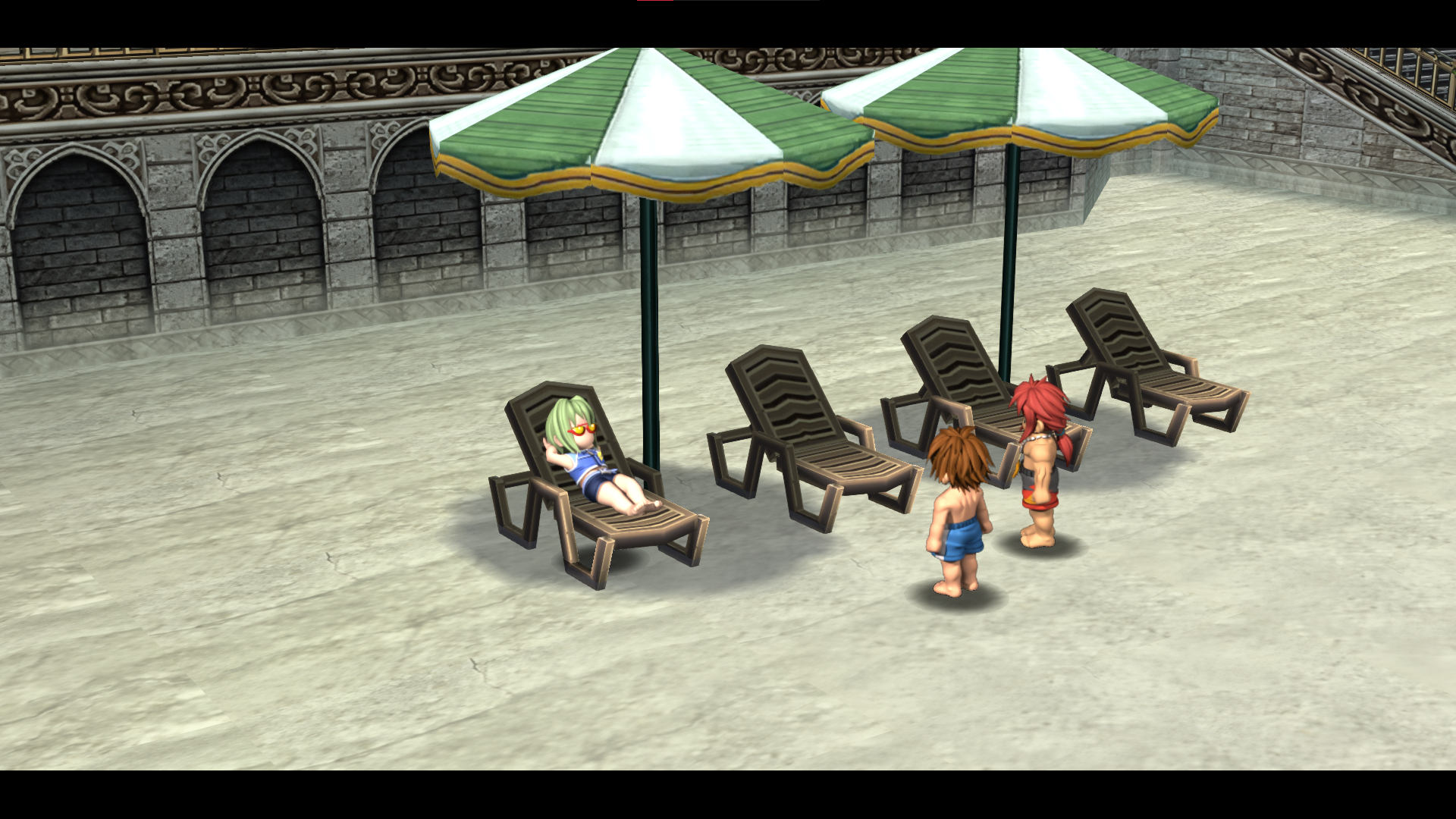
Trails is a relatively new presence in my life. I’ve played plenty of JRPGs—at least I’d like to believe—but Trails was this intimidating monolith. I mean, 15 games with more on the way? Who has the time? My Steam wishlist tells me I added Trails of Cold Steel in 2020, but even prior to that, I was appreciative of the visual aesthetic of the franchise’s earlier games, so similar to things I already loved. Yet, I did not play, and was honestly quite intimidated with starting—the backlog only gets bigger, you see.
Recently, mainstream JRPG releases have consistently disappointed. Many of the most popular, big-budget releases are, generally speaking, fine; they’re well made but they aren’t exactly breaking new ground. Much of their material has been either co-opted by other genres or said before. That’s the biggest problem, really: it’s not the early 2000s anymore. My mind still believes this is the way longform fantasy stories are told, yet the times have changed. What people consider to be a “big game” is no longer a 70-80 hour epic of a story delivered through exposition and turn-based combat; they’re often open-world action RPGs with an emphasis on sizzle and spectacle. Even Final Fantasy has gradually evolved to meet this shifting cultural expectation.
JRPGs, when released intentionally under that label, seem to be operating under a similar misapprehension. They all seem afflicted with a self-indulgent recursion; navel-gazing games which seem to think storytelling began and ended with Chrono Trigger. Repeatedly they seem to say: remember Pokemon? Remember Final Fantasy VII? Mother 3 was pretty cool, right?To me these aren’t unplayable games from some bygone era, they are very much living and breathing because nobody allows them to fucking die. It is one thing to take inspiration from a beloved story, it is entirely another to repeatedly resell the same story while littering it with little winks to the audience which seem to say, “yeah, I know good games.”
I imagine my opinion can be potentially read as mean-spirited, but I only wish for this genre, one I have dedicated so much of my life to, to grow up and tell a story which doesn’t heavily borrow all its ideas from its predecessors. Yet, it seems more and more this is not going to be the case.
One could argue this is the nature of genre—familiar trappings which define this particular branch of gaming—but I’m not convinced. Motifs and tropes are a useful language for conveying complex ideas quickly, but something constructed entirely out of allusions to other things will be reduced down to a ghost of a story; forcing the remembrance you could be playing something with actual ideas instead.
When modern times fail me, I do what I usually do: I look back, to the things I missed the first time. John—your friendly CEO of gaming—knocked me onto this path when he gifted me The Legend of Heroes: Trails in the Sky. In his own words, this was a game Xenogears-enjoyers seemed to like. Nothing else was particularly interesting at the moment; I figured I would give it a chance.
Now, nearly 300 hours of JRPG later, I have words to say about it and, John, if you ever gift me a game that fundamentally alters the course of my life again, I will be forced to take legal action.
This is not going to be comprehensive, and in the interest of both myself and my editors, this will contain no story recap. From this point on, when I refer to Trails, I refer to it in respect to this particular segment of the story I have experienced. This consists of the three Trails in the Sky games as well as the Crossbell duology of Trails from Zero and Trails to Azure.
Trails is a story told in arcs, and over the period of five games, I have felt myself go through something of an arc. Even though it’s not the end of the chronicle, it feels spiritually analogous to a conclusion. These were games once rendered in chunky sprites upon 3D backgrounds. Hereafter, they traded their garb for something more contemporary. This transition, especially after the time I’ve spent with it, seems like something I should honor; it is the bow I need to place on top to consider it “done” in my mind.
A World of Change
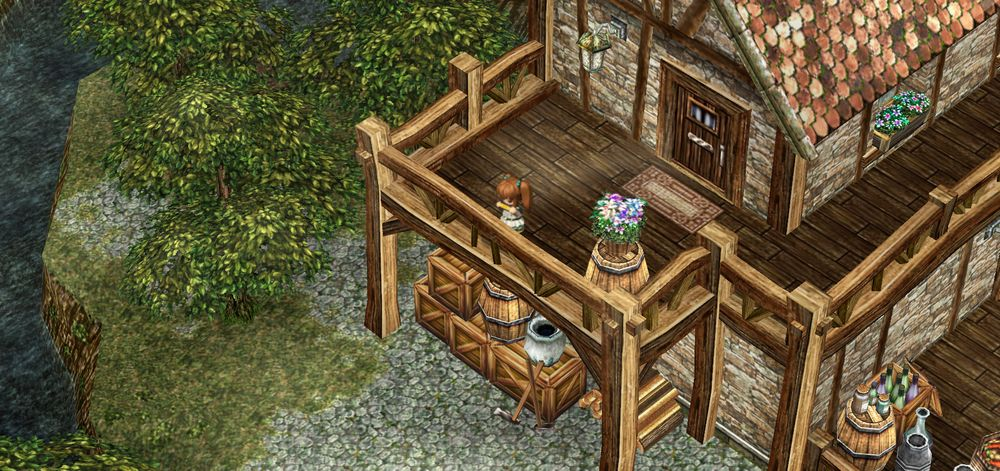
Any story can worldbuild, and many do, often with mixed results. Writers joke about the nonproductiveness of worldbuilding—you can do it forever and still have nothing to show for it. Trails however is uniquely fascinated with the construction of its own world, and it only seems to be growing.
Video game worldbuilding exists on a spectrum. Some games pay only lip service to the world; it is merely the space your avatar inhabits during play sessions. Others can have intricately laid out lore but ultimately convey it in an unusable way, telling you thousands of details with none relevant to play.
Trails’ world is relevant and, more importantly, fractal. Our knowledge of an area tends to grow broader and more abstract the further away it is. The knowledge of where you live, for instance, contains individual places, streets, people; while things further away tend to grow blurred and indistinct, reduced down to something your mind can better compartmentalize.
Zemuria, the setting of Trails, is a massive continent, but in any given game, you hear about far away places in the same way someone might tell you about the concept of something in another city. You learn the little details actually interfaced with; they aren’t forcing the entire Wikipedia article for Japan into your brain. This evokes a more natural curiosity, especially knowing those places are real, can come up, and often are the setting of future games.
Each individual Trails game tends to set its focus small, at least when compared to other JRPGs, which tend to be concerned with what occurs on the entire planet. When you exist in a particular nation, the nation’s problems balloon in both your mind, and those of the involved characters. While sometimes the fate of the continent is at stake, one often spends the most time in Trails experiencing the problems of a singular nation or even a singular city. In the first two Trails games—Trails in the Sky and Trails in the Sky SC—you are predominantly concerned with the goings-on in the small, mountain nation of Liberl. Things happen in other countries and impact your little microcosm, but the issues which unfold exclusively involve your neck of the woods. Warmongering elsewhere is frightening, but only because you know how it could impact you and the place you live. The decision to keep the scope small in this way keeps the struggles of the setting feeling real and relevant, free from abstraction.
The interposition between the broad and the hyper-specific is what makes the world so compelling. We know there is an Empire to the north filled to the brim with war hawks, but in this small village lies a single man in a store we frequent, who needs help. So you help. It is information conveyed in a human fashion. News of something horrible happening in another place is abstract and difficult to conceptualize without the presence of a person being affected by it. The individual is the emotional anchor which helps you better understand the wider reaching ramifications. This, to me, feels like an expression of the pain and anxieties of the real world. I may be forced to contend with the horrors coming out of a nation which isn’t mine, powerless, but I can help in the community I live in.
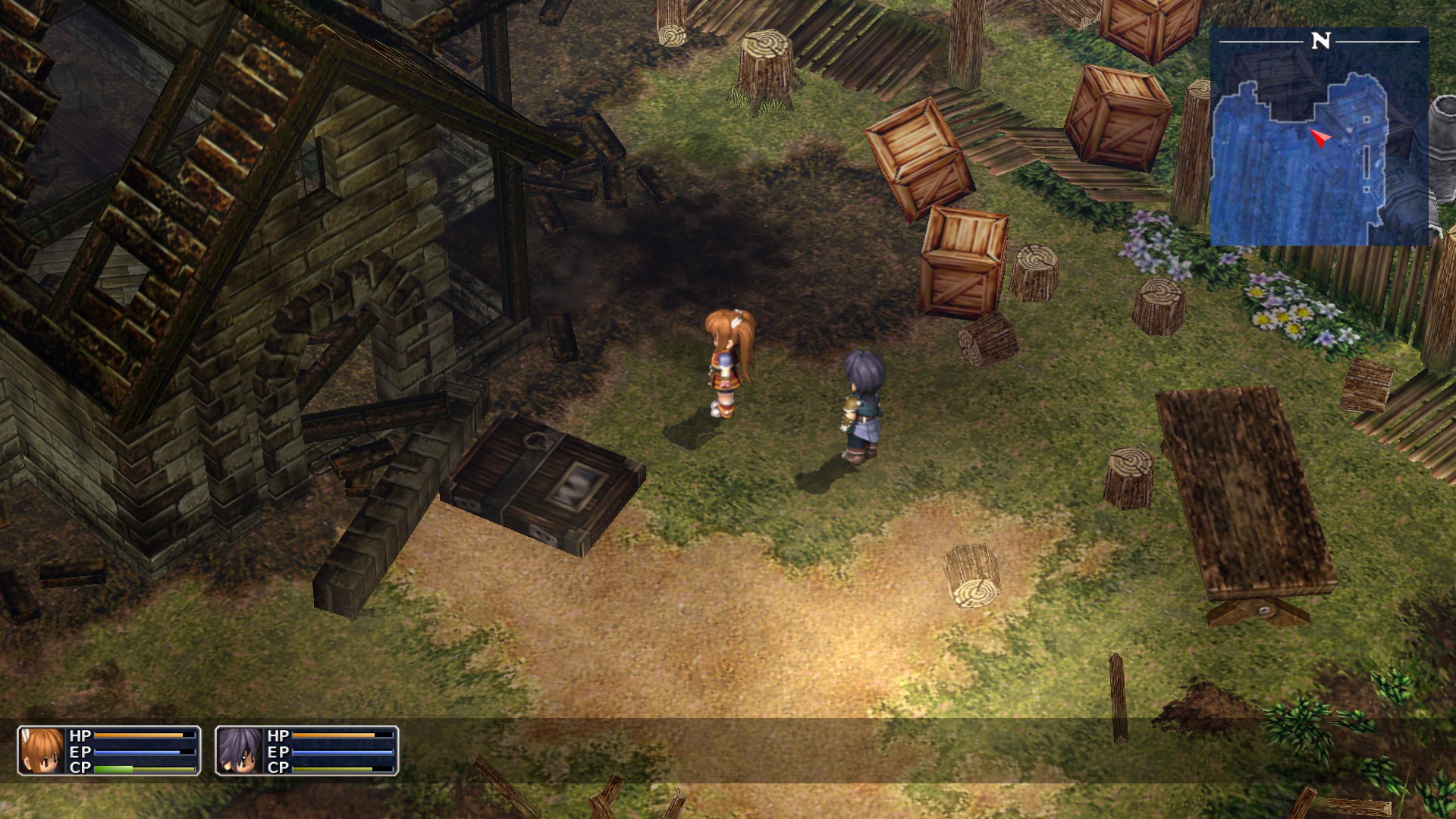
Trails’ relationship with technology further grounds players. Compared to many other JRPGs, the Trails series is much more “contemporary fantasy.” Technology and magic coexist; a dragon and a mech can be on the screen at the same time. As the series goes on and the timeline progresses, so too marches the inevitable progress of industry and technology. Many other games handwave subjects which don’t interest the writer. “The technology is magic; it works because it is magic technology—please don’t worry about it.”
Trails by comparison has a technological revolution as the series’ backbone for most of its games; it is both relevant to gameplay and plot. We see the burgeoning invention of the automobile, phones, telecommunication, and the internet. These stories lean into socio-political conflicts and the changing relationship between communities because of this technology. Though magic and technology co-exist, it mostly avoids the genre touchstone of magic traditionalism vs technology progressivism. There is conflict between progress and tradition, as in real life, but it comes across less like they are ontologically opposed concepts.
This approach to technology is a further expression of worldbuilding precisely because it is tactile. The things we can hold have a way of conveying where we exist in time; things thrown away remind us of what has passed. Time progresses as we realize a favorite film is suddenly, terrifyingly, ten years older than we remember it being; VHS or DVDs are no longer the standard way of conveying sound and video. Many games fail at such an organic conveyance of time passing. Fantasy worlds often enter technological stagnation out of aesthetic fear; the author is a little too scared of the game escaping from the medieval fantasy trappings and resultantly cripples any attempt at making a sense of time or place. Trails, it seems, has no such fears, and the world feels all the more real for it.
A grounded relationship with technology allows Trails’ world to comment on things which then feel organic and fresh. How does an adventuring guild deal with the burgeoning technology of the internet, cyber security, and hacking? How does a city and its developing roads deal with the real threat of spontaneously generated monsters? A willingness to engage with the conceit of one’s own setting allows the setting itself to be an infinite story engine.
Even the trope of the “bygone era” can be explored when you are interested in the worldbuilding ramifications of what such things present. Zemuria has a “lost era of fancy and decadence” like many RPGs, but avoids the often disquieting prelapsarian urge to return to it. We are told the ancients of the old world brought their own destruction and created a thousand-year dark age born of irresponsibility and bad decisions. Because the game does not abandon the chronology with every entry, the big truths revealed can stay true and the world continues to reckon with them.
Paragon of the Community
Worldbuilding is nice, but where many stories fail is in conveyance. They repeat the mistake of having “the wise character” dryly convey what the rules of the setting are, and completely flout any attempt at naturalistic storytelling. Video games are incredibly guilty of this. The amount of village elders who have started sentences with “as you know,” only to tell me the most asinine explanation of a magic system are too many to name. This should be a crime.
Another frequent crime of video games are side quests. Side quests typically don’t have the level of consequence to make for a substantive experience, usually ending up a utilitarian excuse to remain in the world for a little while longer, or simply a change of pace. It is material one typically considers as a passenger of the world, not an occupant of it. In a world of thousands of towers to climb in empty fields, or collectable baubles which exist to arbitrarily gate you from the actual ending, it’s easy to want to give substantial amounts of side material a pass. I am completely okay with my dead little brother going unhonored if it means I don’t have to collect 100 pigeon feathers; I am too busy stabbing the neighboring villagers in the throat with wrist-mounted cutlery to care.
Trails puts a lot of effort into ameliorating both of these game design woes. Side quests are a means by which Trails offers meaningful and substantial information about the nature of the world and its characters through naturalistic storytelling. This avoids more blatant player-oriented exposition. Paying attention to this information is often rewarded, in some cases with whole quests you would have missed if inattentive. In this way, the game rewards you for paying attention to the setting by granting you both material gifts as well as more information on the setting and events. This cycle of seeding information and seeing it meaningfully paid off invigorates world-player interfacing. You care more each and every time you are rewarded for doing so.
Even mundane dialogue can be rewarding for players who meaningfully engage with the world. Where another game might only update dialogue after meaningful story progression, Trails loves to update what characters have to say after basically any passage of time. There really is no such thing as a character revoking their personhood as soon as you finish their arc. A stranger has passed into your home village? You had better believe this is the talk of town.
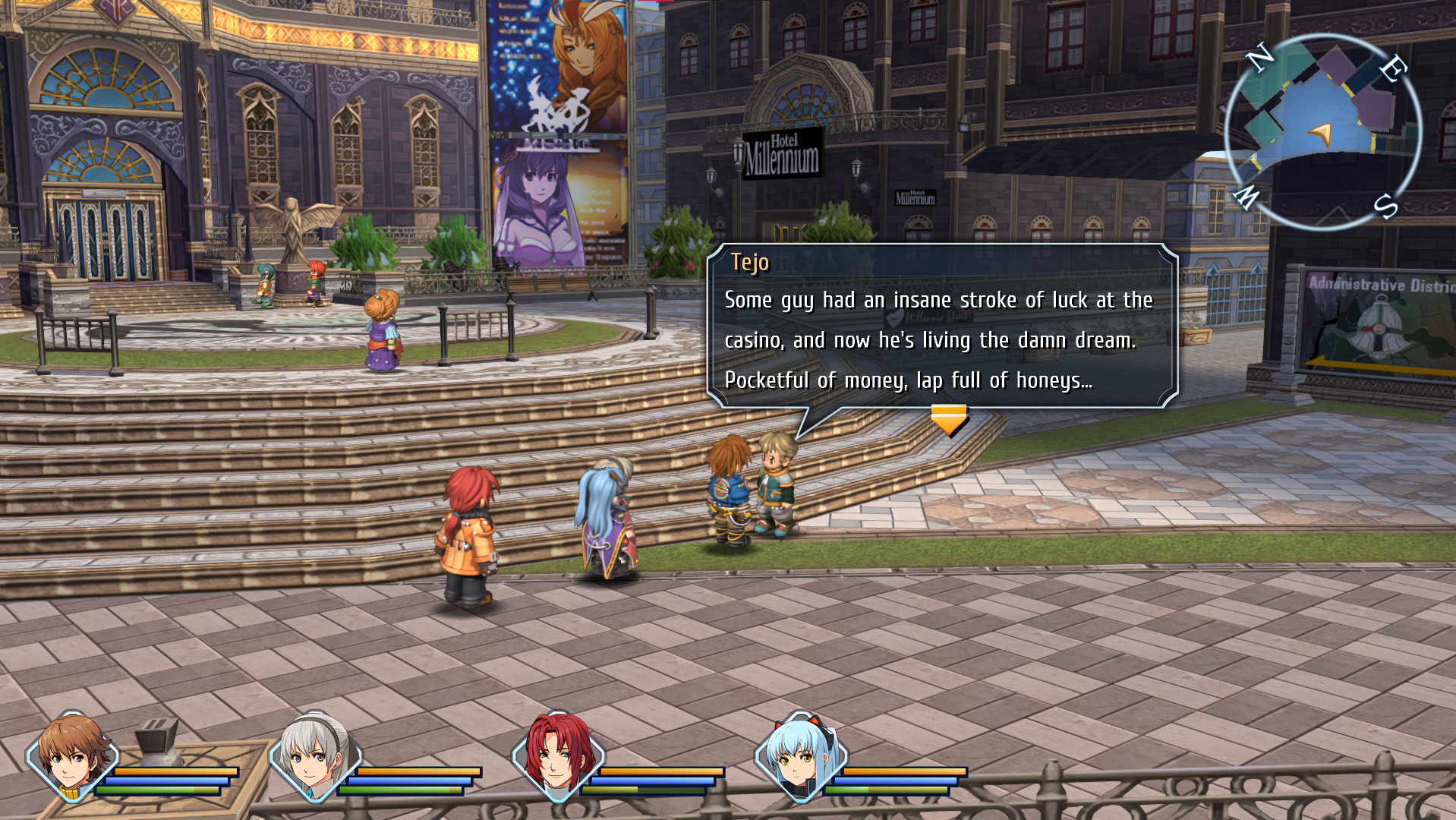
Talking to NPCs might not seem like riveting gameplay in most games, but when you can watch the quiet parenthetical of other people’s lives playing out in real time, it becomes gripping. Will the girl obsessed with finally overtaking the city’s best baker come out on top? You better talk to her every single day to find out. Writers who put an absolutely monumental level of effort into making the NPCs feel like living people is an immediate difference from many other contemporary JRPGs.
The amount of dialogue becomes even more impressive when you consider the substantive interconnection between characters. NPCs exist outside of your characters and interact even when you aren’t watching them do so. Characters might comment on the location of another, which can allude to their motivations and actions to come. NPCs involved with side quests might provide additional insights which will be relevant when the game does one of its many “are you paying attention” tests during main story progression. Even outside of plot relevance, connections can come up in a way comparable to real life; a person randomly reveals that they have familiarity and a connection to a person you’ve already met several cities away.
Allow me to tell a story of this happening across two games. In Trails from Zero, you are regularly given missions by way of a computer console which more or less self-schedules your day for you if you are playing in the most strictly linear way. However, each and every day you are free to explore the lavishly expansive city of Crossbell; doing so often awards you with aforementioned hidden quests.
One such quest, “Search for the Kitten’s Owner,” sounds like both the joke and punchline for another game giving you busywork. You are tasked to find the owner of a lost cat found by two children, Ryu and Anri, who you have met previously. You talk to every child in an entire region of the city, which silently tests you to see if you remember where the people in the city tend to be.
Eventually you are acquainted with stockbroker Bond and his daughter, Sunita. Bond confidently declares that no cat lives in their household, which seems like a dead end. Eventually after some investigation, you discover Sunita has been taking care of the cat, but some anxieties have prevented her from revealing this to her father. Thus the game establishes the characters Sunita and Bond. In many games, this would end there; both characters would be resolved back into generic substrate.
Four chapters later, we are reacquainted with Sunita, potentially for the first time if you missed this quest. After interacting with a mysterious drug which has been running rampant in the city, Bond has gone missing; you know this is odd behavior for him because you met him previously and know he cares for his family. A simple but effective call for investment that doesn’t end there.
In the very next game, Trails to Azure, we once again find Sunita and Bond, living in a different home after the events of the prior game. In predictable cat fashion, their cat, Marie, is missing again. A newly introduced character and complication, Shirley, tags along to assist you, further entwining the old and the new. Over the course of this quest, you interface with a group of trashy corporate boys, from a country thus far only alluded to, who underscore the current issue of nationwide unrest occurring in the main plot; Shirley herself implies the political conflict of a different nation, which is colliding here in Crossbell.
Doing this quest reminds you of several other key actors who had been dormant since the last game, the Arc en Ciel theater troupe. We again see them intermesh with the new character of Shirley and the complications her presence implies. An actor of the theater troupe, who has a shadowy identity of their own, sotto voce implies familiarity with this new character; it remains a secret to the protagonists.
All of this intermeshing because of a cat who happens to get lost twice.
This intermingling avoids the divide between mundane individuals and “guy with white hair, tragic backstory, and limit break.” When everyone has a name and a place in the world, you see people as the complex individuals they are rather than the roles they occupy or services they provide. It feels like its own kind of social commentary: everyone has the capacity to be interesting if you take the time to know them.
None of this material is mandatory but it is meaningful; when the characters feel like people and the quests influence and change dialogue, you feel a greater desire to engage with the world. It makes even the main story content feel more substantial. Your role in the world is easy to fit into because your agency is actually respected. The story doesn’t need to make you the most important person in the world to make you care. When a game’s world constantly flatters you, it is easy to disassociate from anything not fluttering its eyelashes and telling you what a special fucking guy you are. Trails makes you care about aspects of the world in a human way: you are part of the world, you know the people in it and the ways your actions meaningfully affect them. It is because it is small and ultimately mundane, that I cared.
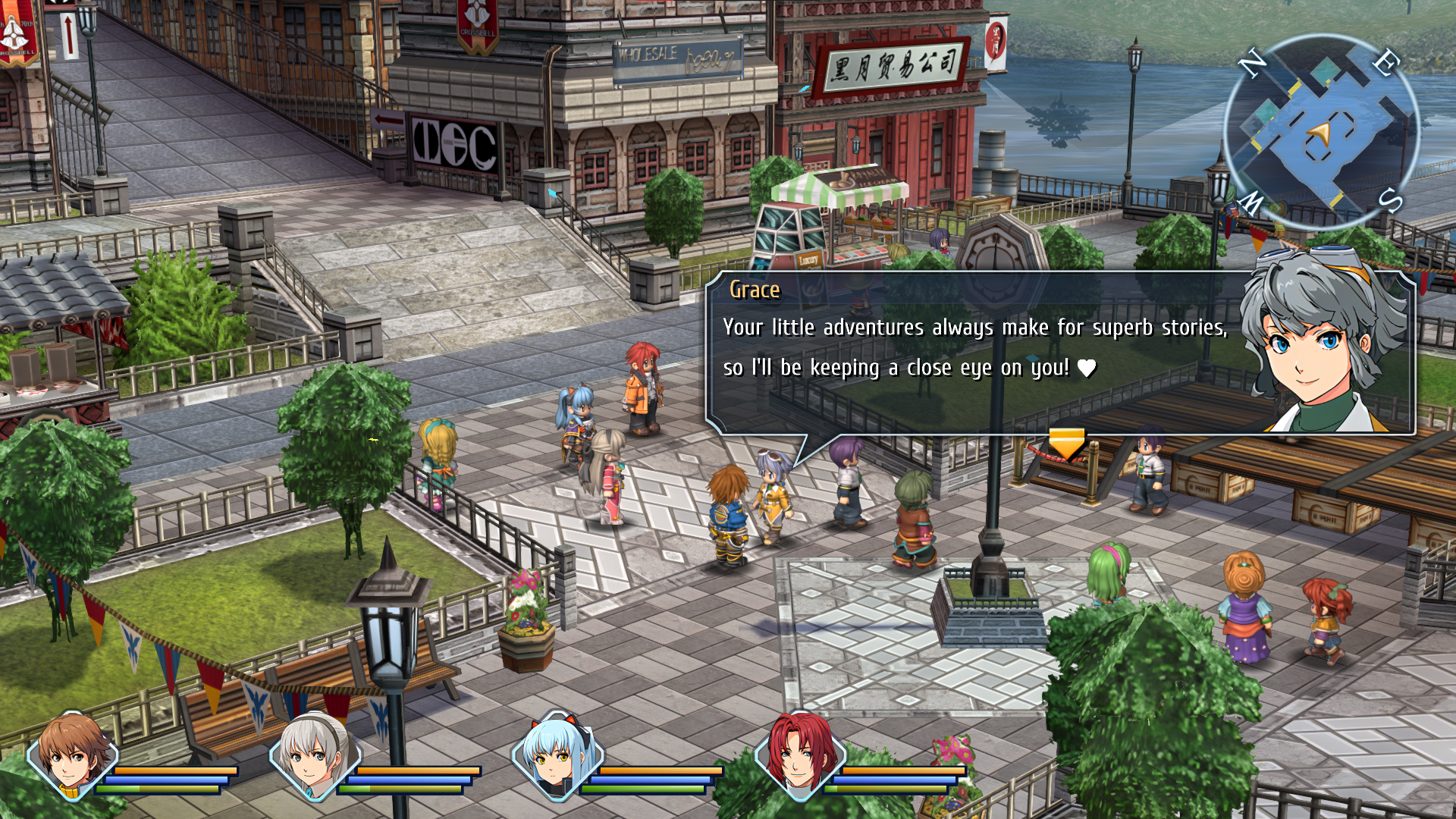
One Mundane Day in a Sea of Exciting Ones
Mundane can be an upsetting word to have associated with your work. The highest of high fantasy hate the idea of being mundane.
“No, our world is super fucking weird dude, instead of phones we got… the crystals, which work like phone.”
This to me is an insulting attempt to generate novelty, which ultimately makes a story for no one. Or worse, you accept nothing but trappings of the preaccepted idea of what fantasy is allowed to be; It is completely and utterly pedestrian.
Trails is mundane in the way a warm Sunday morning with a cup of coffee on the porch is mundane; the way having a loving but ordinary breakfast with your partner is mundane.
Trails is a franchise obsessed with the mundanity of ordinary life. Trails in the Sky is almost entirely what would be an introductory chapter of a different game which goes on for approximately forty hours. Even its explosive “story-starting” plot points are restrained in comparison. The contemporaneous entries of Final Fantasy released adjacent to Trails’ first chapter start on an apocalyptic destruction of a city and the political murder of a monarch; Trails, by comparison, begins with you starting your first day of work.
Sure, there is an empire to the north but there’s no explosive war happening right now. Sure, there is a legendary dragon which dwells in these lands but for the most part he’s just chilling. There is political unrest and civilians being let down by the systems meant to serve them, but that shit is just the news. Things stay this way until the signs which allude to upheaval become a full on earthquake.
Mundanity is so often defined by its antithesis; when horrible things happen, you can’t help but reflect on how life was normal just hours before. Things going sideways in the Trails series are juxtaposed with hours of people living their best, if ordinary, lives. When the worst comes to pass, the people you have come to care about are the ones to suffer; and often, you know the names and identities of those responsible.
Pain too can be mundane. Trails uses this mundanity to talk about things other games intentionally avoid. While it doesn’t always get things right, and sometimes stumbles, its willingness to talk about things like the realities of warfare, up to material as intense as CSA, is a type of painful mundanity. Things like war, or rape, or abuse are just edgy melodrama in many games; they talk about dark themes but in a way which wears darkness as a fashion accessory, rather than something it is interested in meaningfully engaging.
Fantasy worlds are frightened by the idea of such normal pains. “This fantasy world doesn’t have to deal with sex trafficking or systematic racism unless it’s inflicted on an orc or cat girl.” Trails’ willingness to talk about such subjects comes across as mature simply because it is willing to talk about them at all.
Antagonistic factions are often just as human in their mundanity. Violence breaks out as conflicts between people, not because demons spawned outside of town the second things got a little too peaceful; the presence of random monsters is treated the way real life treats wild animals–they aren’t evil, just inconvenient when they interfere with humanity. Even when an antagonist’s actions are unforgivable, it often comes from a specific rhetoric or political position which defines them. It isn’t always the deepest thing in the world, but at the very least it gets over the all too common bar of ontological evil. A villain who over the course of the plot chooses to abuse children does so for a simple reason: they do not care about the outcomes of their actions on others, and it suits their needs to do so, not because it is a fundamental aspect of their identity.

Even then, Trails avoids making singular villains responsible for all the world’s ills; instead, much conflict is born from factional interplay. For example, the machinations of a series of mercenaries committing violence for money is headed by an important leader, but said faction represents a way of life which abuts with other factions, not a single man in control of all wrongdoing in the world. These factions make sense to the people who occupy them and, in much the same way as real life, they foster a community which lives to self-perpetuate given it continues to meet their needs; or, failing that, because the world continues to deprive them of what they actually need.
Of course, it isn’t just the antagonists who organize. The first game is defined by the induction of our two protagonists into the Bracer Guild, a group engaged in community outreach across the continent; it solves problems with the flexibility and compassion of individuals, defusing conflict governments cannot. In the Crossbell arc, the Special Support Section is formed from a similar ethos, quite literally mirroring the behaviors of the Bracer guild.
This is what I see as the core of Trails—community. It links all my prior points together and becomes what I value most. The NPCs, the world building, the side content. You watch as a world becomes a series of interlocking networks, irremovable without digging up another part of the world. The protagonists are guardians of the community, defending it from disruptions and outside malfeasant actors. To abide by this community, you must be a part of it, both in and out of character. You do the side quests because ultimately your immersion demands it; you are someone in the role of helping others. You pay attention to the details of the world because you are meaningfully affected by them as a member of the community. You talk to the NPC because they are the roots in your network.
Even from within the plot, the mundane connection of community becomes Trails. The Bracer guild, the Special Support Section, and even the villainous factions are forms of community. They rise from need, and whether adaptive or maladaptive, they suit the needs of the people who join them; they serve and are of service.
A Thousand Hours More
Trails is defined by its most delightful mundanity; it is the palate cleanser I didn’t even know I needed. Games which feature a protagonist’s home burning as the anguished hero stoically stares into the flames are a dime a dozen; a game that can make me care if a random guy in town decided to stay in medical school or not, is really something special.
Both the pain of disenfranchisement and the joy of bonds define Trails. It feels relevant and timely, even now. In our time where the affliction of loneliness seems worse than it has ever been, despite constant connection, it’s important to remember the bonds shared together. It is a series interested in and intrigued by the little people, the ones who might not solve the big problems but day after day, week after week show up to attend to the small ones.
I can’t pretend Trails does everything right. There are patches of insensitivity, many friends of mine have alerted me to a precipitous drop in quality to come, and in some senses the slowness can be too slow. All that said however, it’s a franchise which has—thus far—managed to make me feel something in a genre I love, when many other games have not. This of course can be tied up in a lot of things; I could simply be experiencing a shift in prioritization, for instance, but I would be loath to say it is anything as simple as just being fresh.
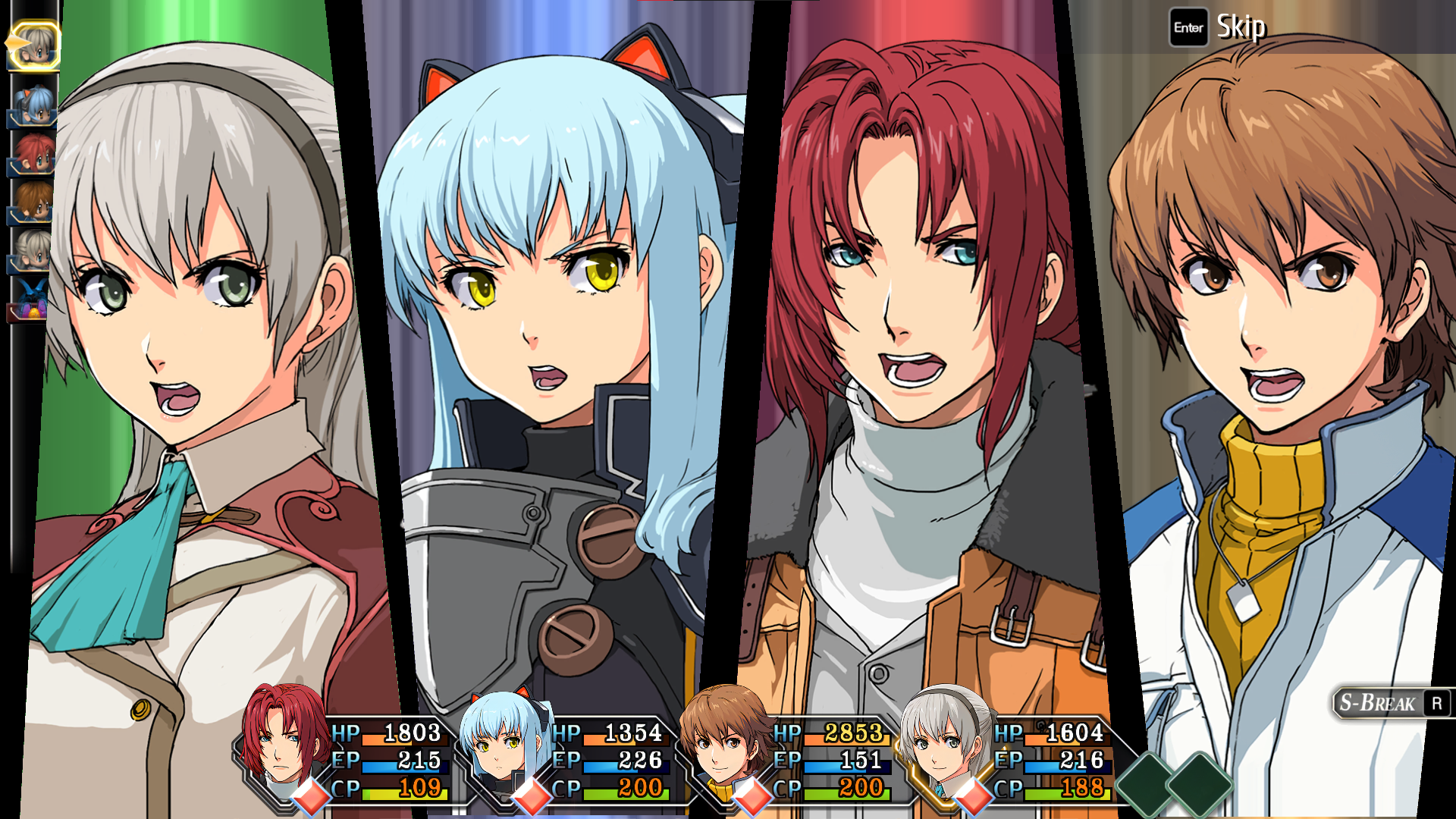
Craft is a thing I endlessly appreciate. When a game is made by a person having a good time, intentionally seeking to express something, it can be an enjoyable experience even when there are bumps in the road. I also love games meticulously ground down and polished over thousands of iterations. Something simple can be beautiful when worked down to its most unadulterated pure concept.
The Trails games ultimately feel like neither of these things, a perfect middle point of design maximalism. The jaggedness of encounter balance is frequently alarming, exploding you with ice-wielding sewer toucans without warning. There are times where the gameplay feels like a tertiary concern when compared to the lavish treatment of the writing. Yet, I can only find myself compelled.
There have been very few games with this much emphasis placed on writing, characters, and immersion, combined with this particular sense of aesthetic; it hits my buttons in a way that makes me feel like I was always the target audience. On more than one occasion I have said that this game feels like a portal into someone else’s nostalgia for this genre. It is a glimpse back in time, back when this genre had novel ideas and wasn’t simply a series of outstanding examples endlessly copycatted until I almost wished they never existed at all.
Despite the implied cynicism, I will continue to play Trails; I will continue to play JRPGs even as I find myself growing more and more estranged from the kind of things fellow fans seem to want and appreciate. In the end, I just love a world that feels like I could ask a question about the setting and somewhere—provided I had the know-how and the desire to dig—find an answer.
Many games are simply impressions of worlds. The electrical lines don’t actually connect to anything, the streams, topologically speaking, run uphill, and the people would starve to death because technically there isn’t enough farmland to support this population size. Those things are fine too, and even Trails isn’t immune to such oddities—it is, after all, incredibly difficult to make a world. Yet I love its detail, I love its characters, and I love a game that makes me feel guilty for not finishing side quests; not because of some lingering remnant of completionism, but because I felt like someone actually needed my help.
Ultimately, a world is a living thing, as long as we believe in it, it lives. I believe in the world of Trails. I’m excited to see what it lives to do.
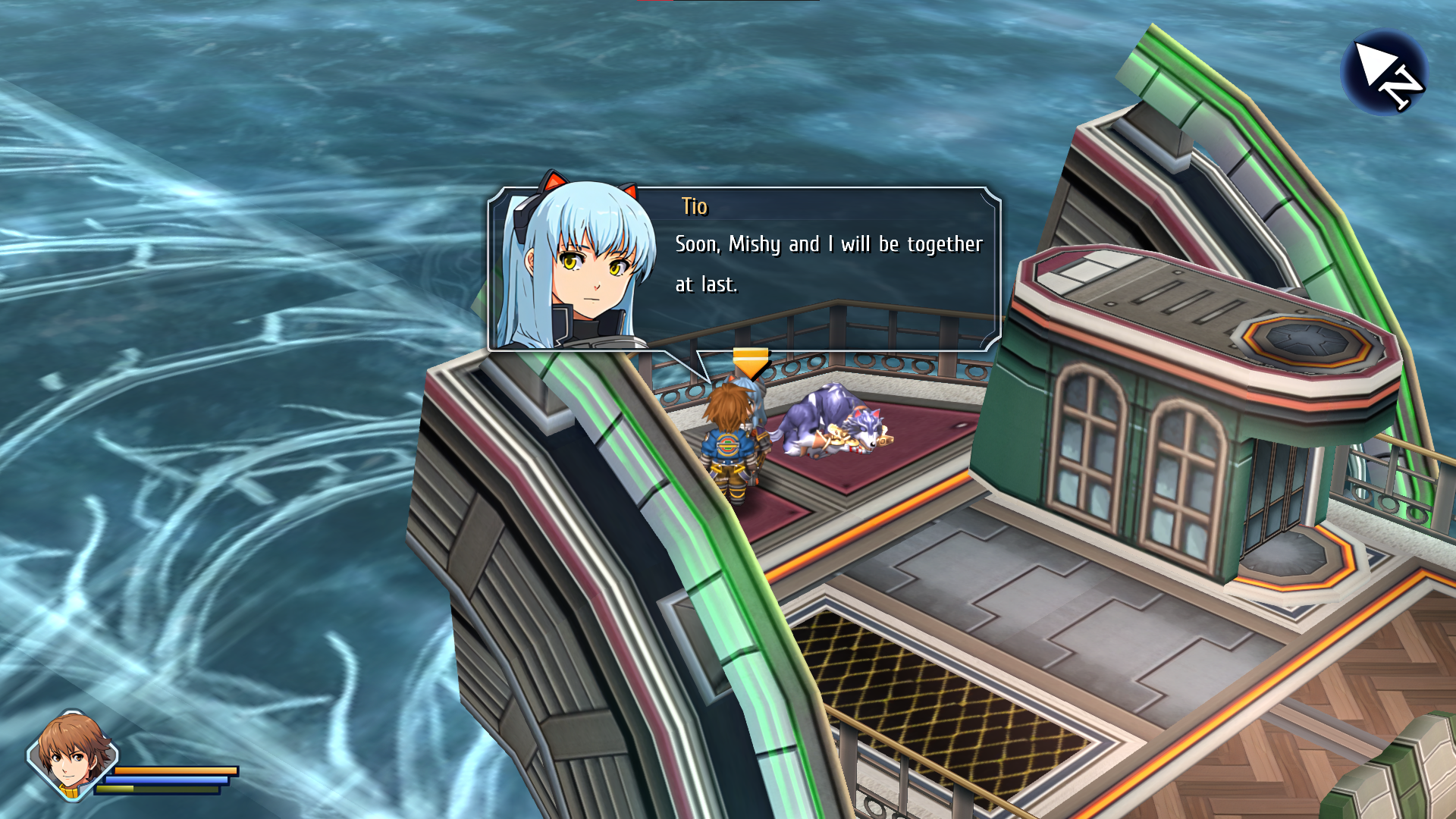

An amazing read that nails the things I’ve felt about this series however the comment about the series falling off in quality is one I only slightly take issue with. I do think this is a statement that pops up one too many times, from other sources that is, but based on what you love about this series so far, I think that this series does not fall off in quality and I hope you enjoy the rest of the series as well.