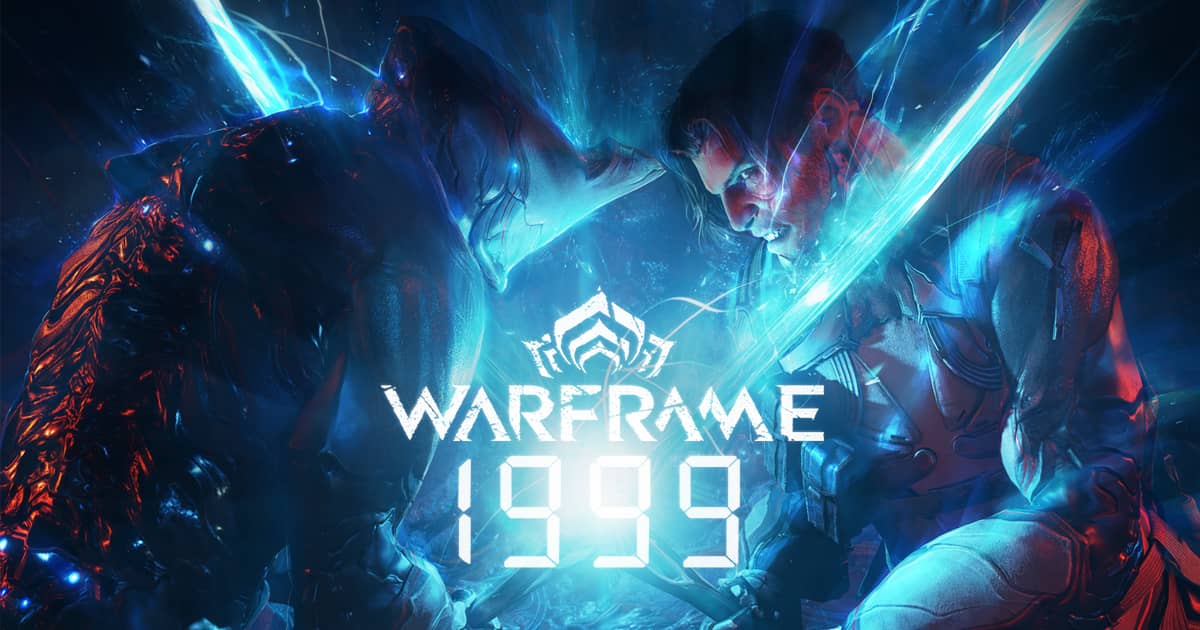
When the Warframe: 1999 update was announced back in 2023, I had so many questions. How would this expansion connect to the main game? Why did they select 1999 of all years? Was Dark Sector going to be fully connected to Warframe in earnest? The answer to those questions would ultimately be “in an interesting and peculiar way,” “largely to capitalize on the dramatic sunset of the ‘90s by way of the Y2K scare,” and “not really but Digital Extremes was pulling a bit more stuff out of their 2008 third-person shooter to put into their 2013 third-person shooter.” But well before we got those answers, even more questions cropped up last year when Warframe’s creative director Rebecca Ford revealed to a live audience at TennoCon 2024 that characters introduced in the 1999 update were to be the focus of a romance system they were adding into the game as part of the update.
I tend to be a bit skeptical when I hear that any game is adding romance, especially when it wasn’t the primary focus or a planned feature of the game. We’ve all seen the half-baked, bad-taste dating sim mini-games companies have put out on April Fools in the past, which all have the same tired punchline of “aren’t dating sims weird?!” When I heard this announcement about a romance system in Warframe, I thought to myself that it probably wouldn’t be bad in that same way, but I still had doubts about its implementation and efficacy. It seemed like a case where they spent a lot of time bringing these characters to life and wanted to add a little something to make them more prominent; you know, justify all that effort? So how did that system turn out?
Let’s step back and look at the broader picture first, starting with what even is Warframe: 1999? It’s the title of Warframe’s Update 38 which launched in December 2024, and is the colloquial term for all of the gameplay additions made available to players by said update. It sees players travel back in time to the Earth year of 1999, in a main quest called “The Hex,” where they team up with a faction of the same name in order to track down one Dr. Albrecht Entrati in the loosely Eastern European-inspired city-state of Höllvania; a city that is currently under martial law by the private military contractor Scaldra, who were dispatched to exterminate the encroaching Technocyte Virus infestation (or “Techrot”) which plagues the city both above and below ground. It’s one of the latest major story beats in the ongoing narrative of Warframe, and while it is just one chapter, it ties together various lore threads from years ago into an extension of Warframe’s narrative tapestry. As an example, in Update 29, The Heart of Deimos, released back in August 2020, Albrecht Entrati was first introduced as an unseen character, gestured at here and there by members of the then-new Entrati Family. Recordings of his life were unlocked as players gained reputation with the Family, and in one recording, Albrecht briefly mentions the “radiation wars” as a past event. Warframe: 1999 features Albrecht Entrati as a major character (though he was formally introduced into the game prior to this update) and it provides some context about why those radiation wars occurred (the aforementioned Techrot).
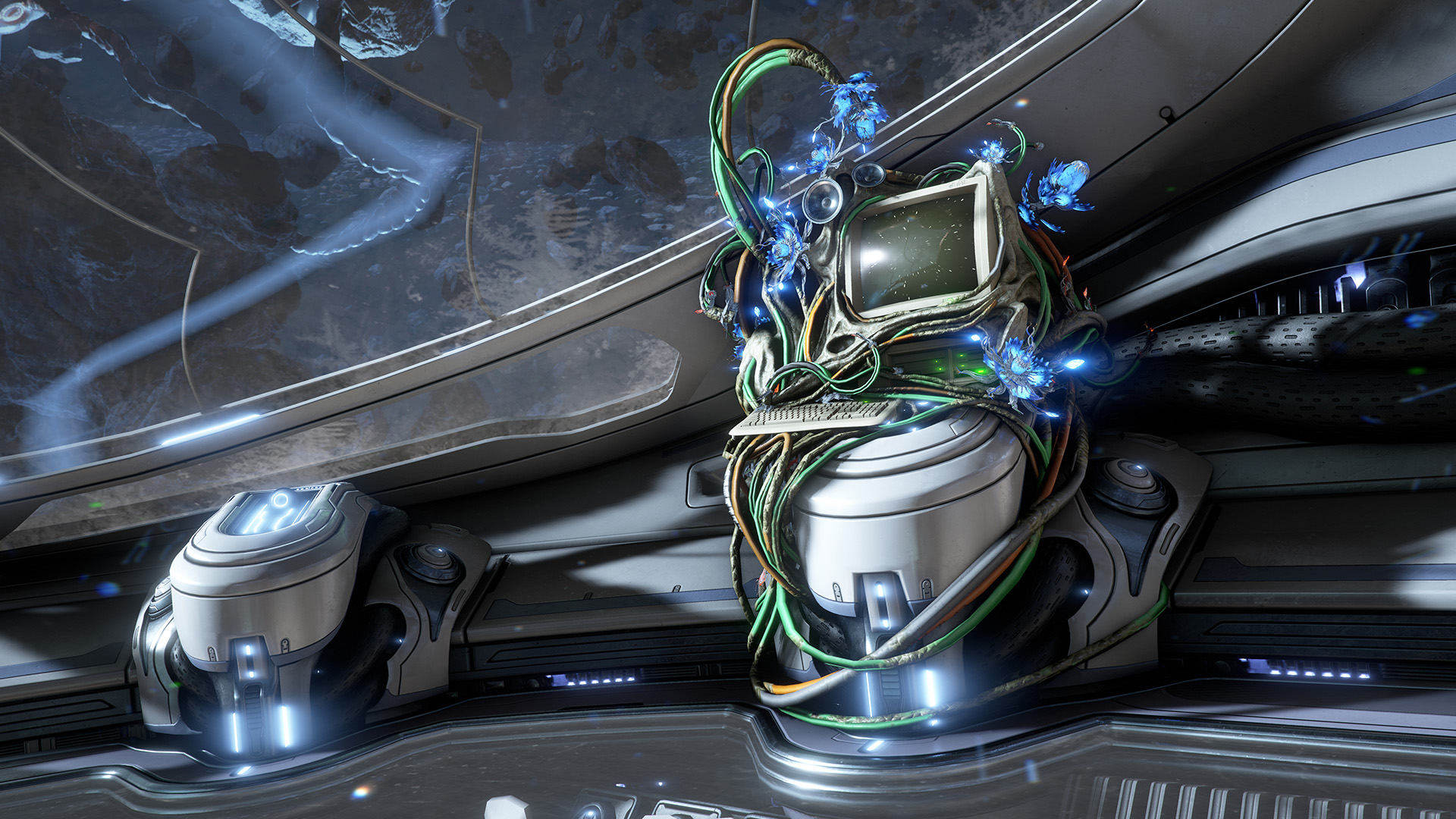
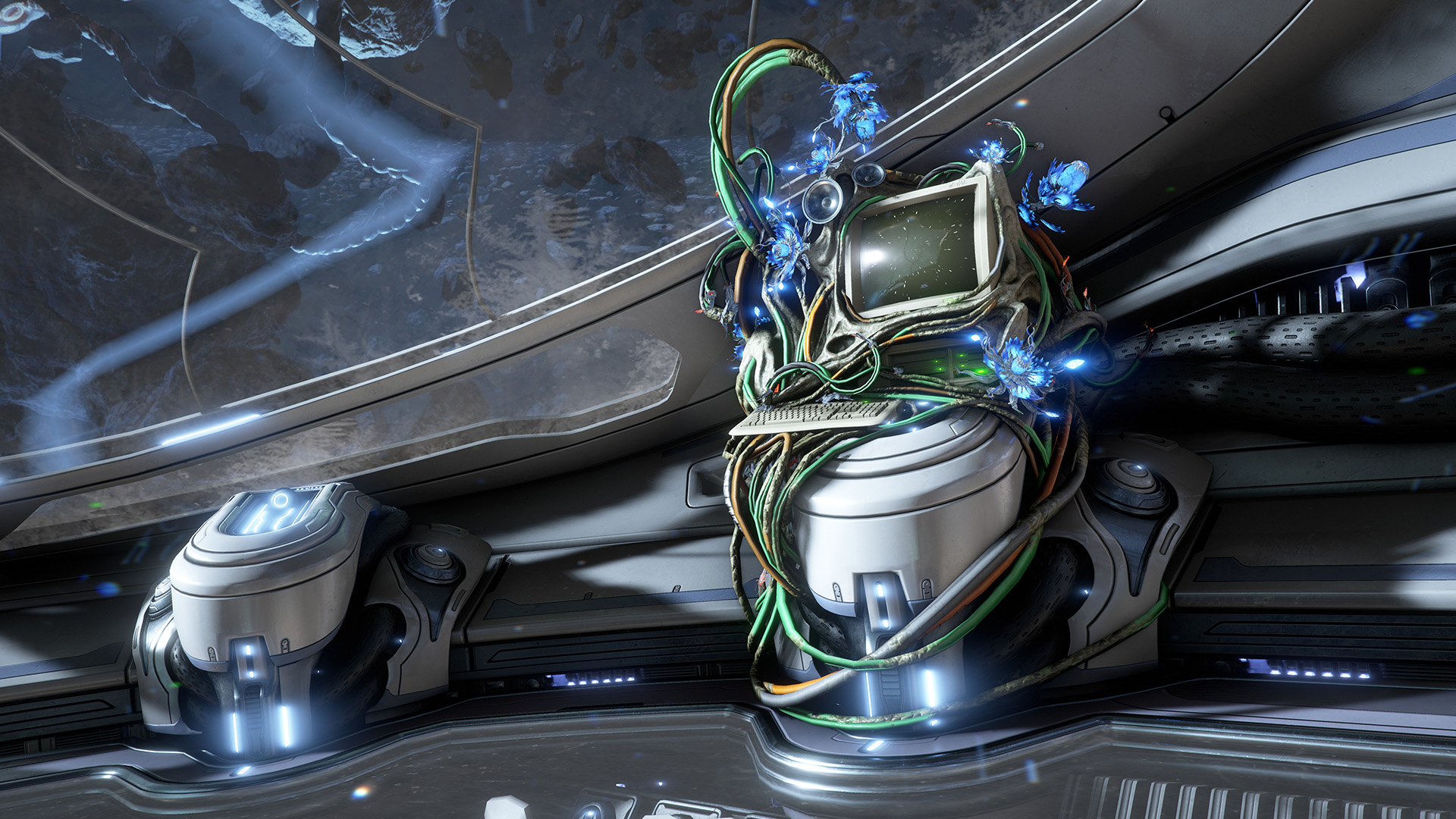
Speaking of the Techrot itself, it too is intrinsically linked to the game’s sci-fi setting, serving as an ancestor strain of the Infested, one of the older enemy factions in Warframe. Imagine if the Y2K Problem was less about simple computer errors and more about all technology running amok from being coalesced into a fleshy amalgam of old TV screens, boomboxes, speakers, computer terminals, and many other devices. So there’s more connective tissue between the main game and this retro romp than meets the eye. That sets the stage so now we can address the stars of the show.
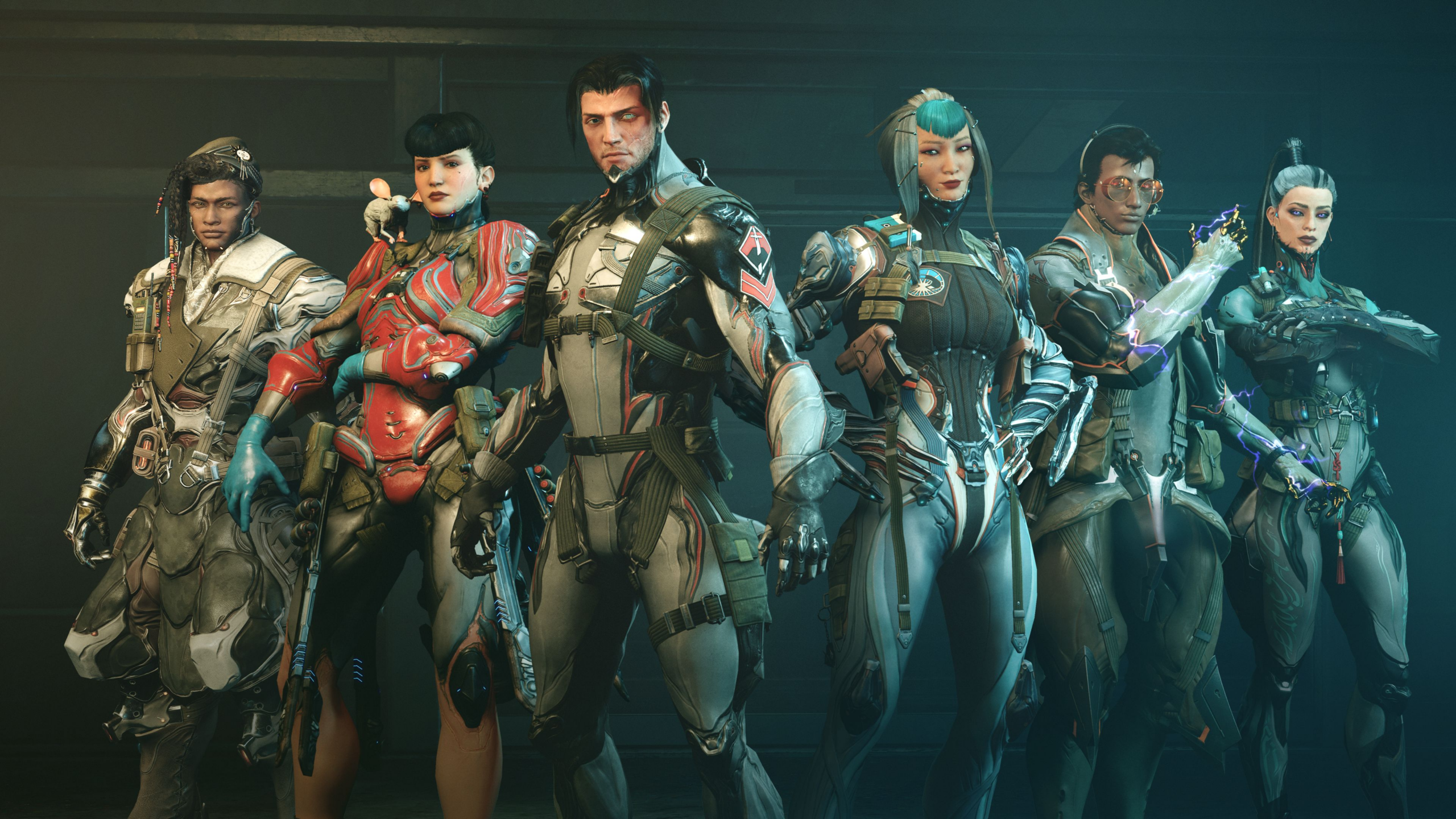
The Hex are a group of six characters who act as the main cast of Warframe: 1999 and who are designated as “Protoframes.” The in-game playable Warframes are futuristic technology, made possible due to the Infested and by extension the Techrot, and when Dr. Entrati went back in time, he brought his technical knowledge and expertise with him. While he’s not the creator of the Warframes, he knew enough about them to experiment on and partially convert a handful of individuals into frames using the Techrot as raw materials, keeping their individuality intact while affording them powers and resilience beyond their normal human bodies. This was done with their consent, as the Hex found themselves against overwhelming odds combating both the Scaldra and the Techrot in the “Plague Year” of 1999, but the transformation was excruciating and irreversible. They are the subjects of the romance system, effectively giving a human face to the Warframes they embody.
Led by Arthur Nightingale, who takes up the mantle of Warframe’s poster boy Excalibur, the Hex are a vigilante group consisting of Aoi Morohoshi, Quincy Isaacs, and Leticia “Lettie” Garcia, four rogue members of the ICR (International Crisis Response) who have gone against direct orders to terminate infected Höllvanian civilians, as well as Arthur’s journalist sister Eleanor Nightingale and the tech intern Amir Beckett. Aoi and Amir embody the Warframes Mag and Volt respectively, and together with Arthur serve as human sides of the three starter Warframes players pick at the beginning of the game. Lettie, being a field medic, takes up the original healer frame Trinity, while Eleanor’s advanced Techrot infection makes her subsumption of the psychic frame Nyx quite potent. Quincy is the only protoframe of the Hex who portrays a newer frame, that of the sharpshooter spec-ops Cyte-09 (sight-o-nine), a Warframe that was released alongside the update. All together, they act as a cadre of ‘90s action heroes ripped straight out of a grungy, grime-slicken comic book or cartoon show. You spend five minutes around this gang and you can easily imagine them existing in the same pop-cultural spheres as Gargoyles, Æon Flux, and Spawn.
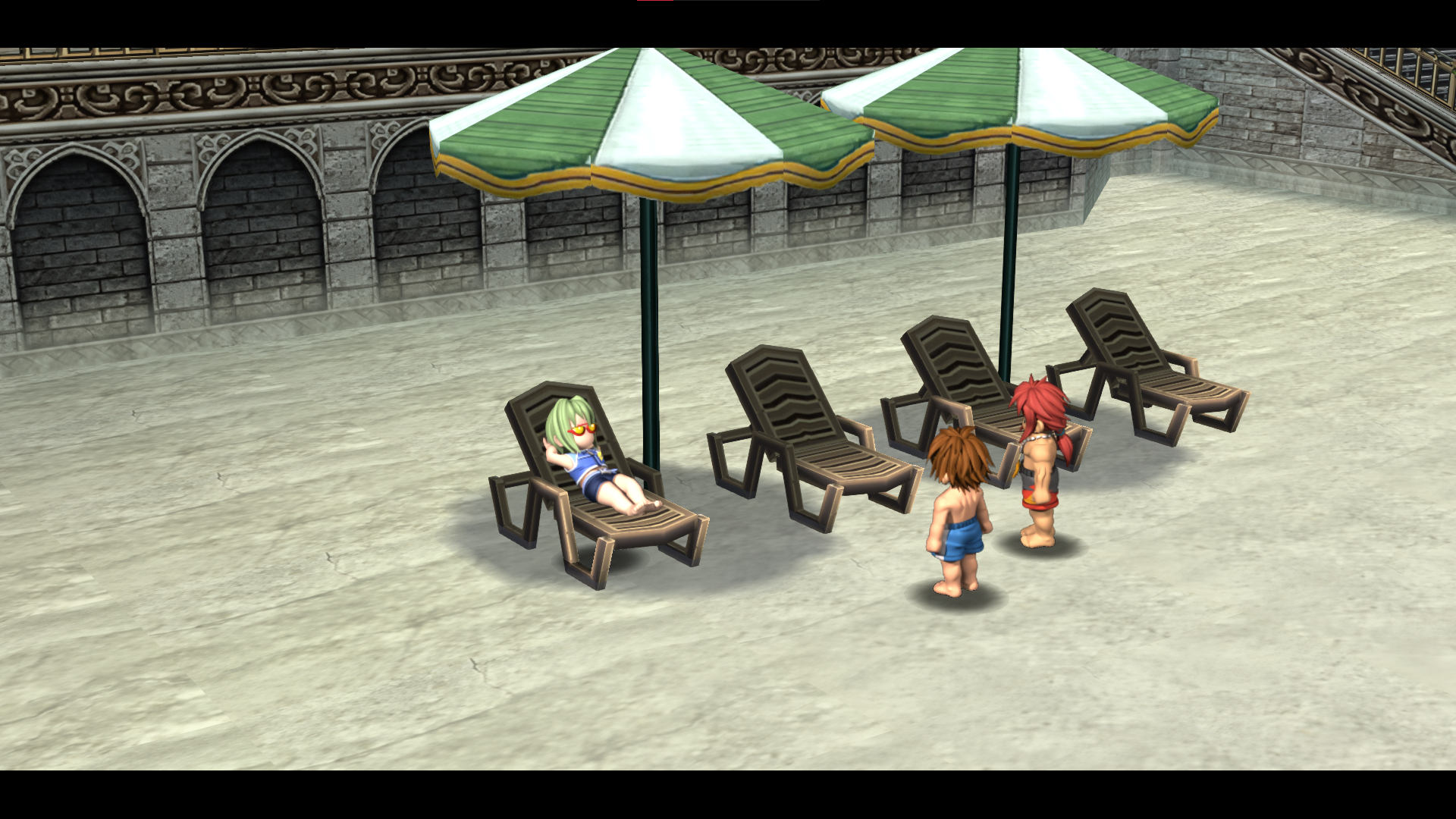
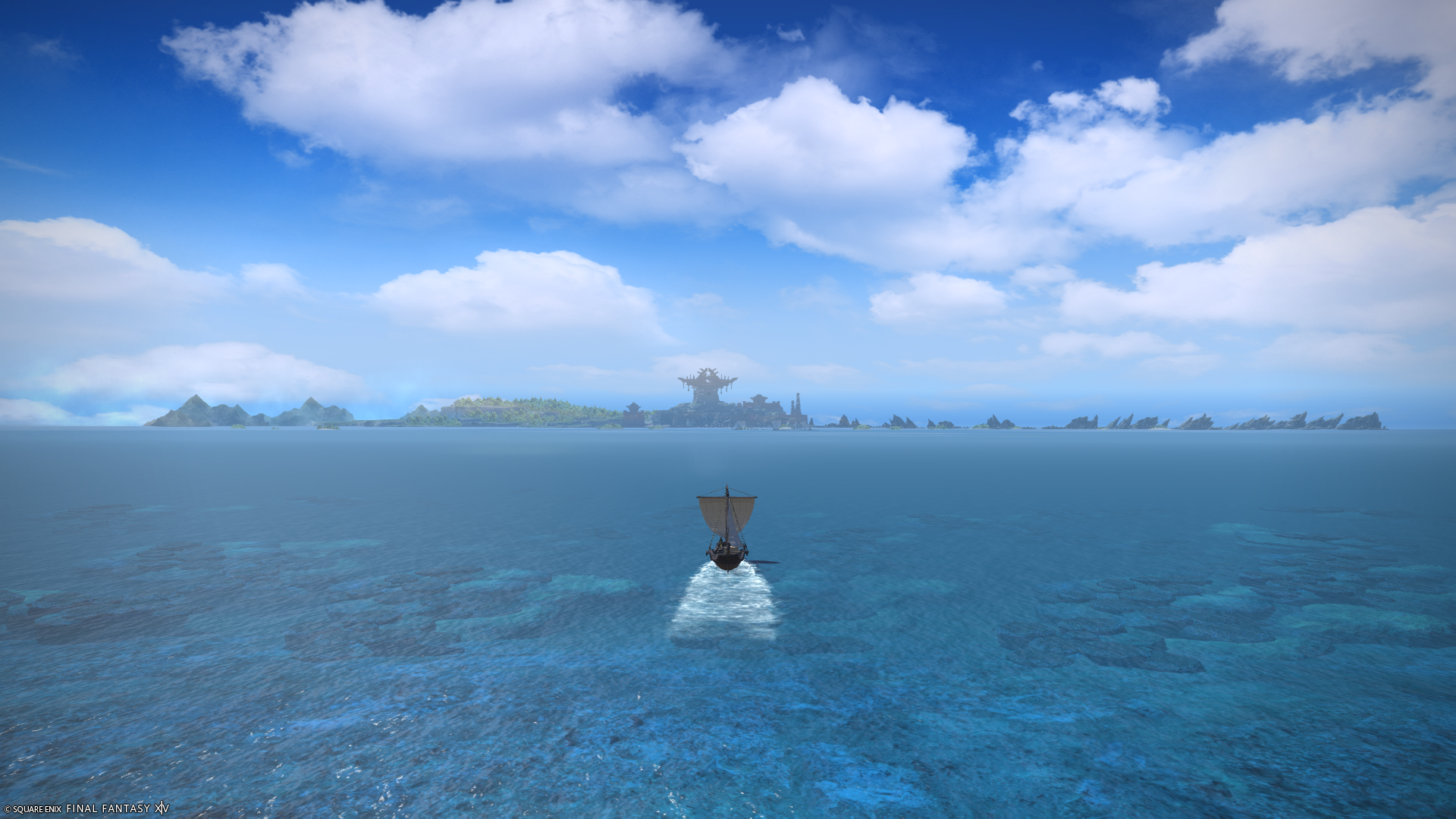
But hold up. You’re probably thinking how it’s even possible to romance these characters when Warframe players themselves play as, well, Warframes; biomechanical… not-robots, which typically lack mouths and more importantly, dialogue or personalities unto themselves (for the most part anyway.) Four years ago, when Update 31’s The New War quest was added to the game, Digital Extremes introduced into Warframe one of my favorite video game design techniques of all time: the ability to play as other characters in games where previously you only played as a single character. There are plenty of games built around the premise of playing as several characters, from fighting games to MOBAs to racing games and so on, but the concept is flat-out more impactful in games where you don’t have a selectable roster. The sequence in Majora’s Mask where you temporarily control Kafei, the first time anything like that had been done in a Legend of Zelda game, a series dogmatically committed to only ever letting you play as Link, serves as a classic example. It was just as buckwild when Final Fantasy XIV, an MMORPG, flipped the script and had players controlling NPCs for select quests for the first time toward the tail end of its Stormblood expansion. This is how Warframe is able to add a romance system to the game; one of the characters introduced in The New War Update was the Drifter, a character with their own history and personality, who has become a prominent figure in the Warframe storyline. It is the Drifter who is sent back to 1999, and it is through them that the story of the Hex and Höllvania is experienced by the player.
Enough beating around the bush though, let’s talk about the romance system. After completing The Hex quest, building up one’s relationships with the six characters becomes available. This is entirely done through the “Kinemantik Instant Messenger” or KIM, a play on America Online’s “AOL Instant Messenger” or AIM, which is accessed through Pom-2 computer terminals in the player’s Base of Operations. Every real-world day, players have the ability to chat with each member of the Hex, with certain dialogue choices granting “Chemistry,” which raises their relationship with that character. If the character responds with text that shimmers gold, that signifies a boost in Chemistry.
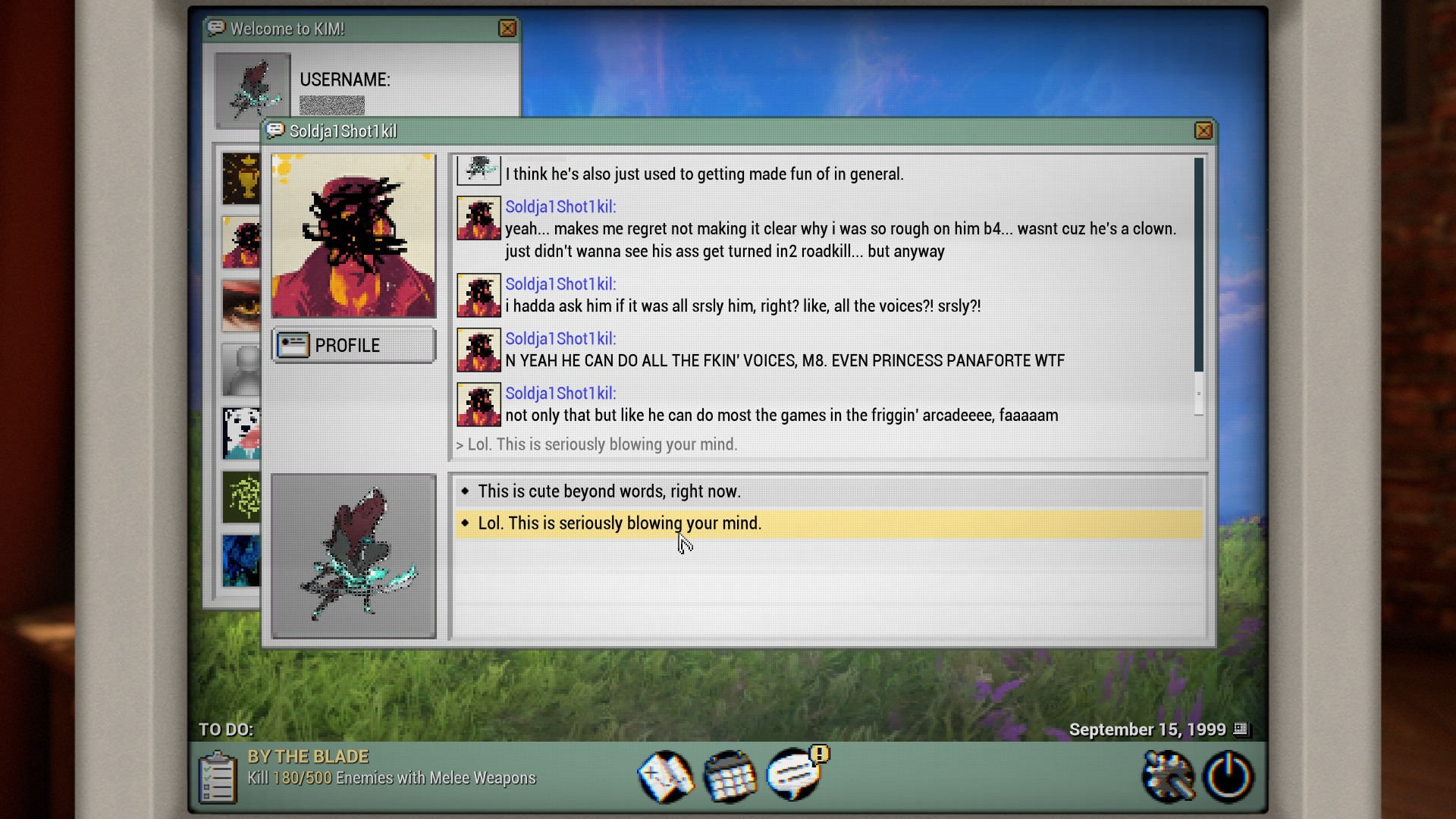
Players can also mail-order each character various gifts from an online catalogue, including powerful items like a binder, coffee cups, gas cans both large and small, an office phone, and a toaster. Gifting items costs in-game currency (one of my favorite stylistic flourishes in the update is whenever you’re in the 1999 areas, the in-game futuristic Credits you’ve accrued are converted 1:1 to Höllars) and it’s up to the player to figure out which items will be favored by each character.
Chemistry can also be gained by completing Hex Bounties which involve normal Warframe missions, which randomly have one of the six members assigned to each of the six bounties who accompany the player on the mission as NPC support, though players can only gain this boost in Chemistry every ~16 hours, effectively making it a daily boost. When reaching a sufficient level of Chemistry with a given character, the player will have the option to ask about dating them, though whether they accept will depend on choices made during the KIM chats, and each level of Chemistry is locked behind ranking up with the Hex faction as a whole. If the character accepts the offer, it unlocks new KIM conversations with them, and they appear in the Backroom, the player’s Base of Operations in Höllvania, where they’ll have additional dialogue. Additionally, there’s a romantic cutscene that plays at the end of 1999 which changes based on which character the player romanced, and if they chose not to pursue any character, they still get a special cutscene so anyone who opts out of dating altogether still gets a sweet moment.
The actual romance system itself isn’t particularly novel or interesting, at least not when laid out as I’ve done thus far. But like with all good stories, it’s the writing that makes the difference. See, each KIM conversation with a character ranges from funny little asides or questions about life (either their’s or the Drifter’s), but in a lot of cases they delve into particularly serious topics such as Lettie’s history as a medic. These little KIM conversations are written in such a way that perfectly captures the interiority of each character and makes them feel more real than they are. Maybe it’s just because I’ve spent a long time connecting with people over the Internet, but these conversations read like they were written by people who have been there; in chat rooms and IRCs, used services like AIM and Skype. Each character has their own username and little profile picture and way of typing that brings a level of authenticity to the whole deal.
The system isn’t without its flaws. The major pitfall of the chat system is simply that these individual conversations have some degree of randomness to them. Amir is the quintessential nerd of the group, and at one point wants to put together a game of Fables & Frontiers. The player is tasked with trying to rope as many members of the Hex into the game as possible, with some only joining if you manage to convince others. I had successfully convinced Aoi, Lettie, and Arthur to join, and then I told Amir that’s probably all I could convince. After the game started (an entirely off-screen affair, tragically), days later I got a message from Quincy asking about the Fables & Frontiers game, and while I successfully convinced him to join, it was one point where the artifice was laid bare. While most of the chats are at least funny or engaging, there are at least a handful that end rather abruptly, which also underlines their perfunctory nature.
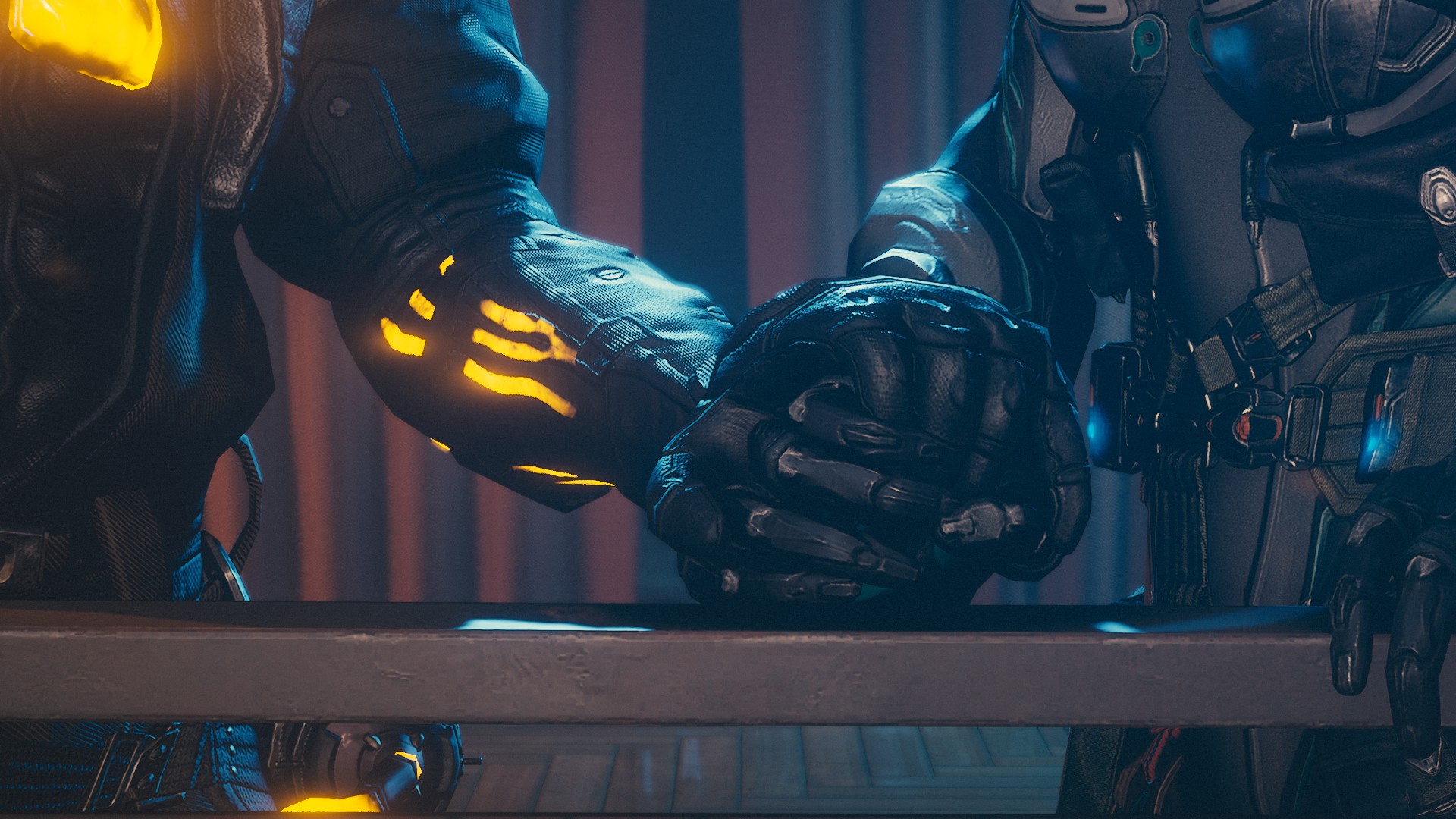
As far as the romance writing goes, I’m personally glad everyone is very grown-up about things. There aren’t any sex scenes or fades to black, but characters will outright say “let’s have sex tonight” and that’s a breath of fresh air compared to other games which settle for implications or omissions. It’s down-to-earth and feels more natural as a result, and it benefits from not being the sole focus either as the chosen lover will not simply devolve into weak-knees and doe-eyes upon dating them. That said, there’s one point that’s a little disappointing to me. It’s understandable why Digital Extremes opted for a monogamous approach to the dating aspect, purely from a design standpoint: That special cutscene would have to have way more combinations if players could date even just two Hex members at the same time. However, the problem I ran into was wanting to date four of the six Hex members and only being able to pick one. It’s a minor problem overall, and considering that Digital Extremes continues to be pretty good about inclusivity, missing out on a big Hex polycule is something I’m just going to chalk up to “it would be more powerful than all of the Incarnon weapons combined.”
The part that really brings everything together is how necessary this relationship system is to the story of Warframe: 1999. I thought before playing it that this whole “romancing the Protoframes” thing was just an additional feature they created on a whim or for fun, but that’s not the case at all. Building your relationships with these characters and investing time into them is critical to the story. I’ve kept this piece largely spoiler-free, so I won’t go into why the silly little KIM conversations have cosmic consequences for the Warframe universe, but just know that “The Hex” quest’s finale is made stronger by their inclusion, and the story would be weaker without them. That’s what I loved the most about this simple relationship system in Warframe: 1999: It’s earnest. It commits to both the veneer and the viscera underneath, and it does so without reservation.
Warframe‘s newest update, The Old Peace, launches tomorrow, December 10th, and with it comes the arrival of three new potential romance partners: a crop top priest, a French ghost nun, and Blue Emet-Selch. Time will tell if their characterizations maintain the level of quality that 1999 demonstrated, but I’d wager they’ll be spectacular additions to Warframe‘s bizarre cast of characters. It’s Blue Emet-Selch! There’s simply no way René Zagger doesn’t eat up every scene voicing him.