Man! I sure love writing a bunch of articles and reviews for my favorite games journalism site! I sure hope every single game I want to write something on wasn’t developed by a company that is doing something this year that’d make me want to avoid publicly supporting them or giving them a platform so I can release more than a single article during all of 2025! Huh? What’s Microsoft doing this ti—
Game of the Year time! Woohoo! Let’s get that 52 minute article read time!
It’s become a bit of a tradition for me to do writeups going over every game I’ve played in a year – though I’m new to Gamesline, it’s a yearly trend among my friends (my list for 2024 was one of the submissions for my Gamesline application), and it seems like this is the first year we’ll be skipping out on it, so this is well enough a place as any to continue the trend. This is, admittedly, an incomplete list—some games where I don’t have anything of note to write down aren’t included, though the entire actual “Top 10” games are present—but it should hopefully suffice. Admittedly, it goes the other way, too: Technically, not every game here is one I played for the first time this year, but they’re unique cases, cases of, “The last time I played this I was 10 years old playing this on an iPad”. I don’t think those opinions count anymore. And just remember: If you disagree with any of the opinions I have on videogames made for children, it is because you are a fundamentally weaker person than me. Get pwned, noob.
26. Sonic Forces
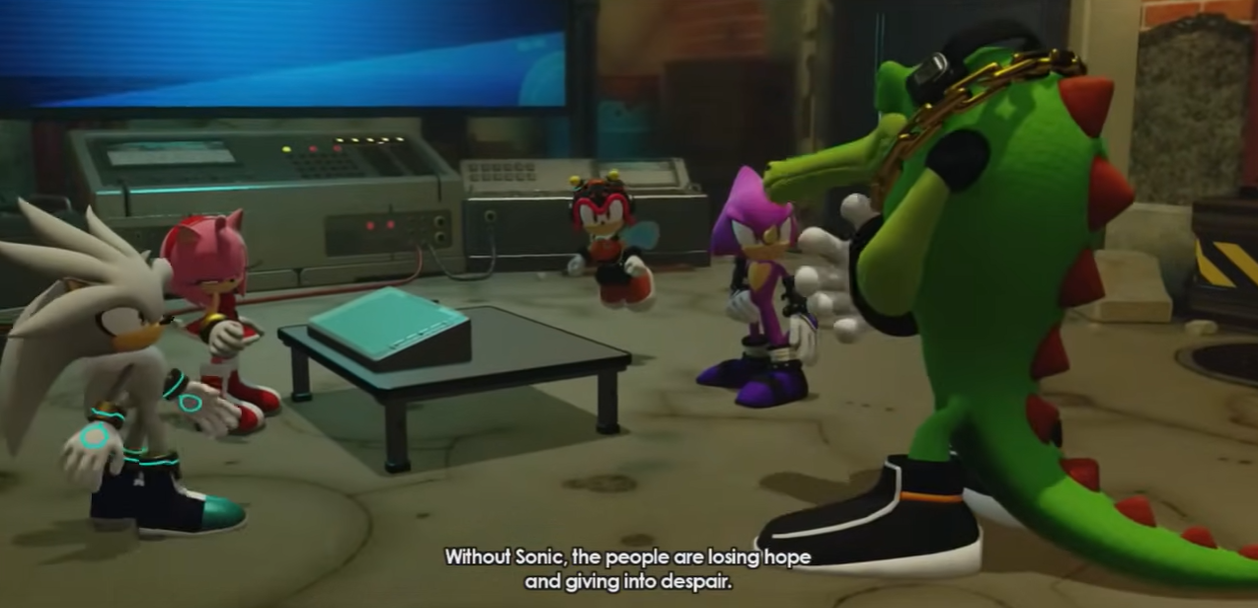
Sonic Forces is such a laughably miserable game that it’s almost entrancing. It’s Sonic at his worst in almost every category: it’s aesthetically dull, every environment sanitized and every model as cardboard as possible (though a contentious topic, I do feel this is easily one of – if not outright – the worst showings for every single modern character model). It’s a mechanical disaster, levels either a horrendously underbaked imitation of its 6-years-removed predecessor’s 2D style, mindless runs down a pathway that provides the illusion of 3D, or the rare genuine 3D section that only serves to reveal the controls are so horrendous that the prior 2 gameplay styles far outrank it, all of which beg for a speedrunning focus in a game so short and linear you won’t feel any time saved or improvement made in all but a small handful of levels. Narratively, it’s a game with really no investment in anything – the prompt ‘Eggman won and you have to fight back against a world you’ve lost in’ is as far as anything gets, the game often ascribing itself intensity and grandeur it is far too sardonic to provide – that honestly really could not care less about any other aspect of itself, but, ultimately, it’s Sonic Forces. We all know why this game is bad and how phenomenally bad this game is. This paragraph is about as much as I need to write because you’ve absolutely seen hundreds more of them online. Government-mandated bottom entry.
25. Persona 5 Tactica
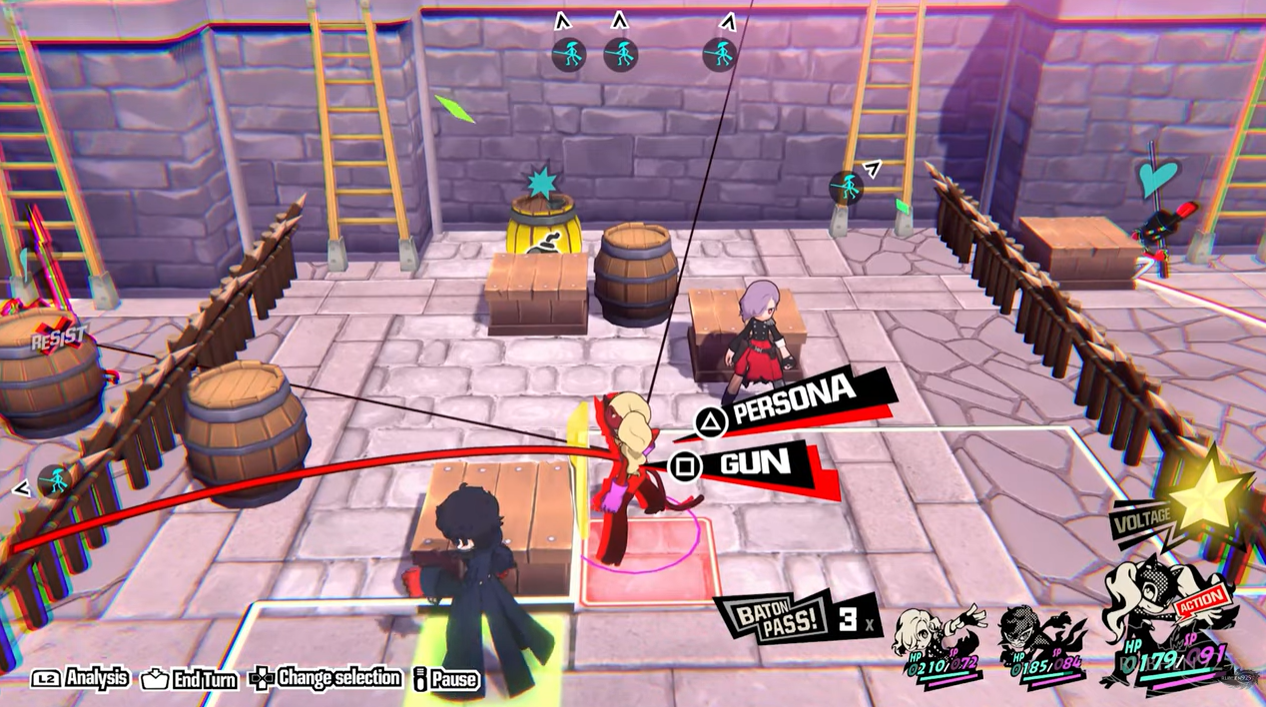
This might be the easiest and most basic you can make a tactics game before it can’t actually be considered a tactics game. There are so many tools at your disposal to shred maps and decimate enemies that all only do one thing and – as a result of the game’s ‘Once More’ tools that mandate every nearly every enemy has some scripted way for you to steal free turns from them – don’t even do that thing well. I lost a single mission in this entire game and it wasn’t because a map was challenging or something, it was because I was just straight up going the complete opposite direction than intended. The unit customization is extremely simple and linear: weapons are flat stat increases, skill tree is a straight shot up, Personas give units at most 2 new moves, and these systems all require 2 entire menus each at minimum because this game has such anxiety over matching the aesthetic Persona 5 had while operating completely as style over substance.
The UI’s bloat in particular is massively annoying for a tactics game where enemy information needs to be made immediately and consistently evident, because so often instead of doing something like showing, “This is the enemy you are targeting with an AoE shotgun spread” it has to go, “Here’s every enemy’s burning heart icon all taking damage with no indication of which one you’re attacking! We angled them all 30 degrees! Isn’t this UI design unique!?”, making it needlessly difficult to understand what you’re actually doing sometimes. If you want a new Persona to give someone a new move, you have to go through 3 separate menus making that Persona, get right up to the final confirmation step, and only then see if you’re actually getting the move you wanted. It’s so obnoxious.
There isn’t really anything positive to note outside that core gameplay either. The music feels abysmally tired, confusing consistently too quiet audio-mixing and subdued instrumentation for the relaxed and freeform jazz style Persona 5 is known for, almost like the vocalist was falling asleep for every single song in the soundtrack. The aesthetics – when they’re not getting in the way of playing the game to look cool – look standard at best. The writing feels immensely frustrating, written like a schoolteacher trying to explain what ‘oppression’ is. There’s a scene where the leader of a surveillance state sends two of his citizens to labor camps, pretending it’s a reward to silence them, a scene that obviously communicates intent to anyone watching it… and then the party immediately explains this, beat for beat, despite said scene being the most obvious thing in existence. It is genuinely embarrassing that they chose to make this a story about governmental oppression and rebellion when they are this bad at conveying anything interesting regarding the topic. Every character is a charisma and interaction vacuum and on the whole it’s just an immensely boring and miserable story.
Just play Mario + Rabbids: Kingdom Battle if you want a tactics shooter that goes on sale constantly. This game is a complete copycat of that game: same gameplay style with bloated mechanics, same map design and pacing, hell, almost identical enemy types, but hey, at least Tactica also makes every single one of the menus worse and also has a story, and the story sucks. I bought this for 8 bucks at a local Gamestop, the box had 2 different discount stickers on it, and I saw the cashier make an ‘oh thank fuck someone finally bought this’ expression when I put it in front of him.
24. Nubby’s Number Factory
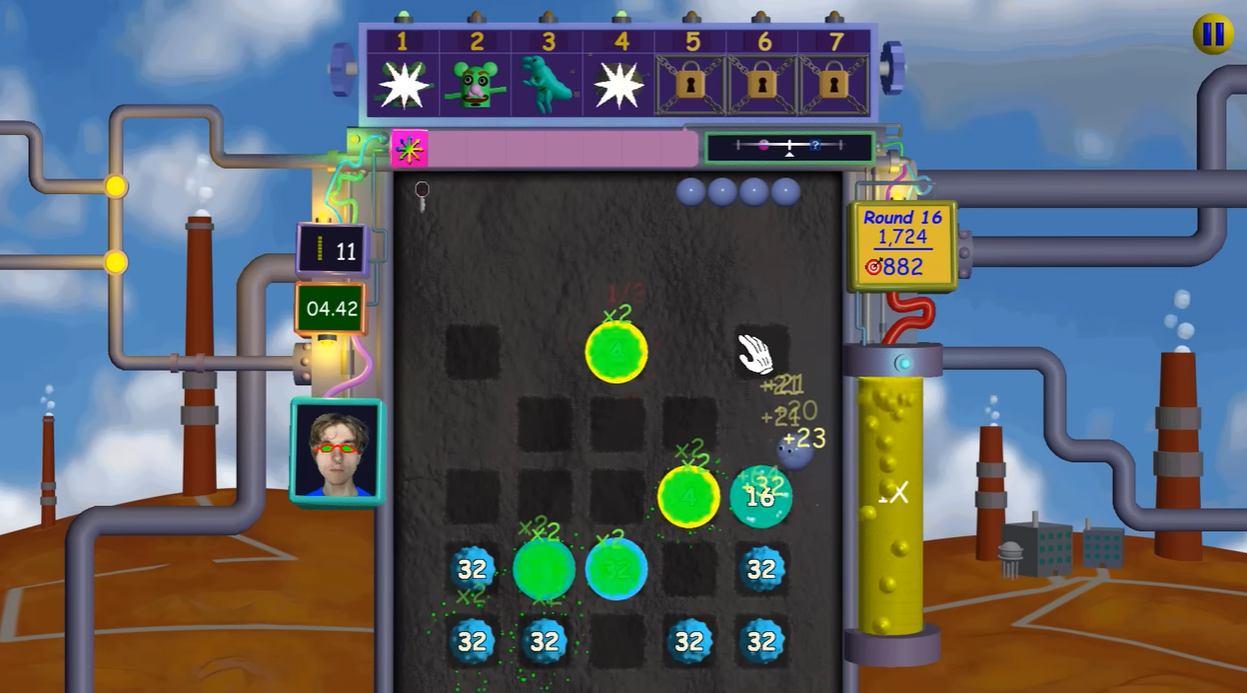
fifth monitor content
23. Balatro
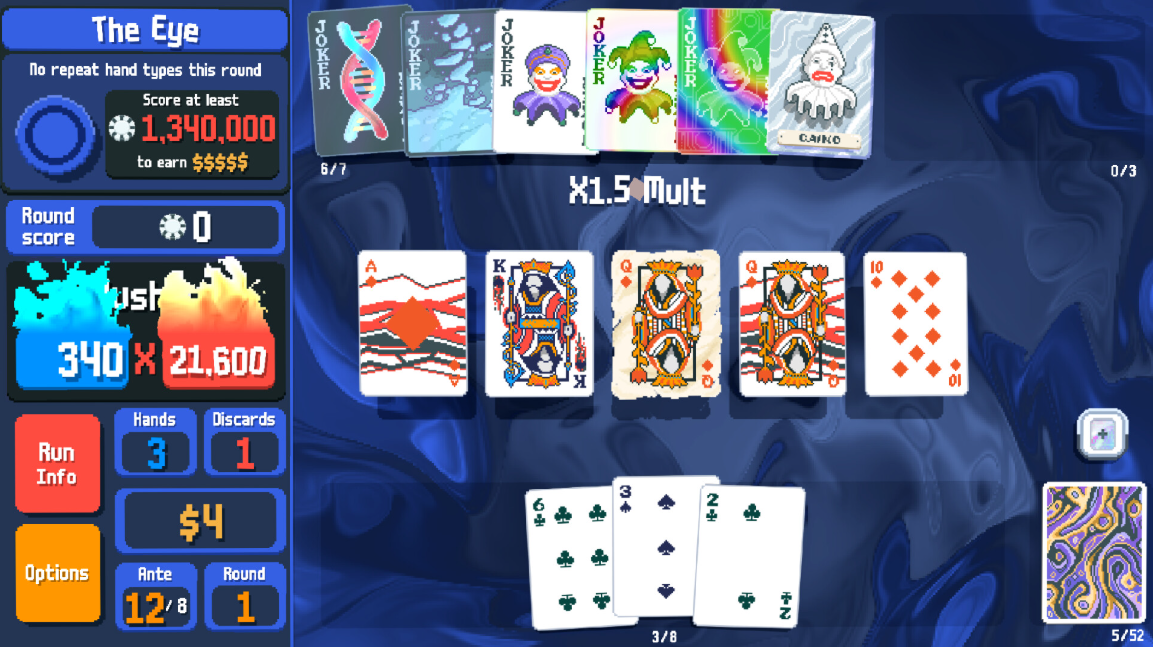
third monitor content
I can see the appeal of these kinds of ‘number go up’ roguelikes, it is kind of the coolest thing ever when numbers go up, but this format doesn’t do it for me at all. See, what you do is you make a JRPG where these sorts of numbers shenanigans happen, when one of those lets me get these numbers I’m forcibly gifting it to people on Steam at 3 AM because they mentioned it while half asleep.
I’ll give Balatro points for having very strong sound design and aesthetics for what it wants to do – they’re good on their own, but especially phenomenal at suckering you in and getting you to go just another round – but I don’t like going another round. I don’t like games where I’m shown three cards and then I pick one of the cards. That’s not my kind of game.
Hey! That image of Balatro on a Gamesline GOTY list looks kind of familiar!
22. MOTHER 3
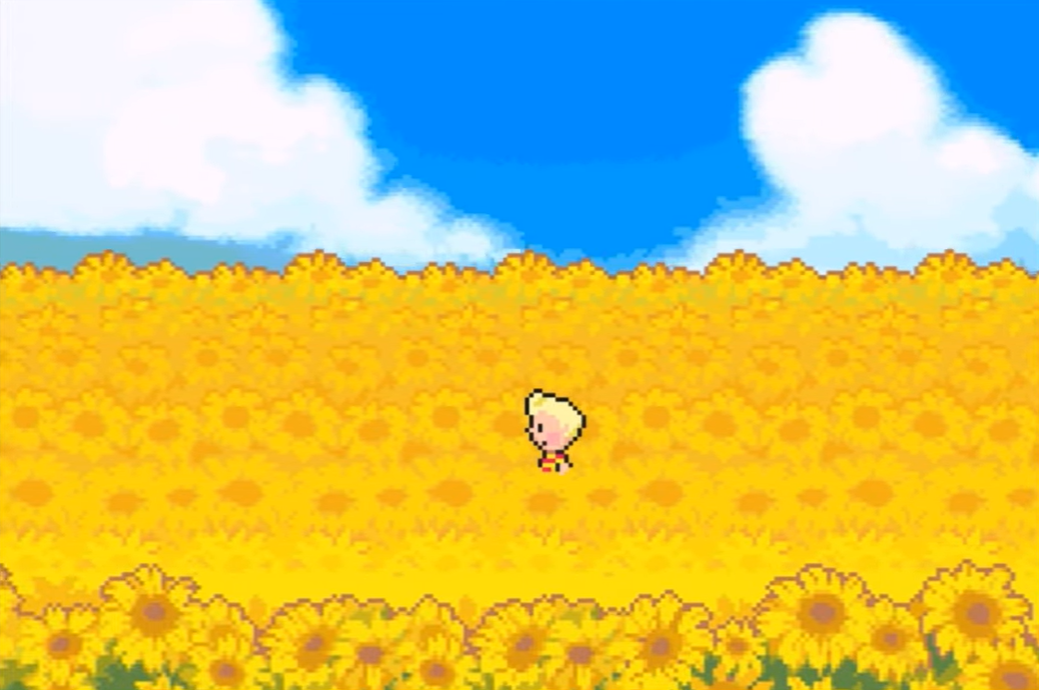
MOTHER 3 is a great game for encompassing what gets under my skin with so many RPGs. Two things, in particular: a complete disinterest for their combat or mechanics in favor of the story – an understandable concession, though one that always confuses and infuriates me, when such a core concession is made it leads me to wonder why not leave the genre altogether – and a fear of its peers. A fear that it will be like them, other games that shoot for the moon in earnest, so it must either turn the other way and shoot for the sun, or shoot for the moon and insist it loathes that it is doing so.
This is a preamble that will matter for other games this year, too, but I bring these points up for MOTHER 3 because this game is one so viciously ravaged by both. In regards to the former, it is massively done in by how mindless its combat is. The rhythm mechanic – hit A in time with the music when attacking – accounts for so much of your damage output and combat is so basic (I presume to make sure the gameplay being difficult or confusing or the like doesn’t get in the way of people enjoying the narrative, which the game is so clearly focused on) that it’s just completely mindless. You so rarely fight more than one enemy at a time, so few enemies actually demand anything from you, and the rhythm mechanic is such a massive boost to your damage once you learn it that the game just becomes ‘learn the rhythm to each battle song, mash the confirm button in time with that, and just let everyone rhythm combo everything in the game to death and heal up after every few battles’. All bosses ask of you is that you spend the first few turns of battle debuffing their offense and buffing your defense because nothing but some of the game’s final bosses will ever resist or undo those abilities. You do not need to think or plan for all but a single boss in this game (which, after doing some minor research, is basically trivialized if you just buy some special armor for it anyways, and I elected not to) and it’s so uniquely infuriating how hollow it is mechanically. There’s almost never a moment where a combat encounter is fun in this RPG.
But MOTHER 3 is a game about its narrative, of course, that’s what everyone says and discounting it entirely solely to complain about its extremely substandard gameplay would be unfair, but it’s one that I can’t really find myself invested in. Maybe it’s a sense of disillusionment, maybe it’s unfair standards, but it’s so hard to find the way this game approaches grief, loss, the irrevocable and immediate changes in the world that it forces onto you, when it’s so disinterested in anything but that. Its characters, the people affected by this grief, the outlets for this messaging that would make it valuable, fall by the wayside, for the sake of its world, a place that wants to be wild and surreal and confusing and hilarious. And such intent is understandable: Tazmily’s devolution is by far the most compelling narrative element of the game because it is the only place the game’s focus on worldbuilding and the consistent inconsistency of it matters. It is where the game’s world is visibly destroyed and distorted into an Americana so similar to, but so much more sinister and destructive, than the one the MOTHER series is built on. It is easily the game’s strongest narrative element to me. But abandoning the vehicles for that concept—leaving the characters it affects as so basic their personalities can accurately be explained in about a sentence—makes it hard to resonate with any of the grief the world, the part that can approach engaging, is forcing upon them.
MOTHER 3 is a game that, in effect, released much later than it was intended to, a story made for the Nintendo 64, a new console generation that it would’ve been one of extremely few RPGs for, that persisted until the era of the Game Boy Advance, and I think that’s what killed it for me. Its surrealism, its humor, its themes, everything, they had all become passe by the time it entered the world. A world that communicates grief and despair through absurdism and its rejection, a world that exists to create the feeling of going home after a funeral and getting a spread of restaurant coupons in the mail but not a single letter of empathy or emotion, is the world the genre lives in. It is a world the genre built itself on in the years MOTHER 3 missed out on and—to me, at least—it is why RPGs are fun. It is a game that wishes it had the novelty of its earlier peers and suffers endlessly for it because it must exist in a world with games that possess such things as hell houses and ragtime mouses that purely want those things to exist in earnest, and their stories and worlds are made stronger for it. It is punching air because someone picked up the sandbag it plastered a picture of a platypunk onto and threw it out a decade ago.
21. FNaF World
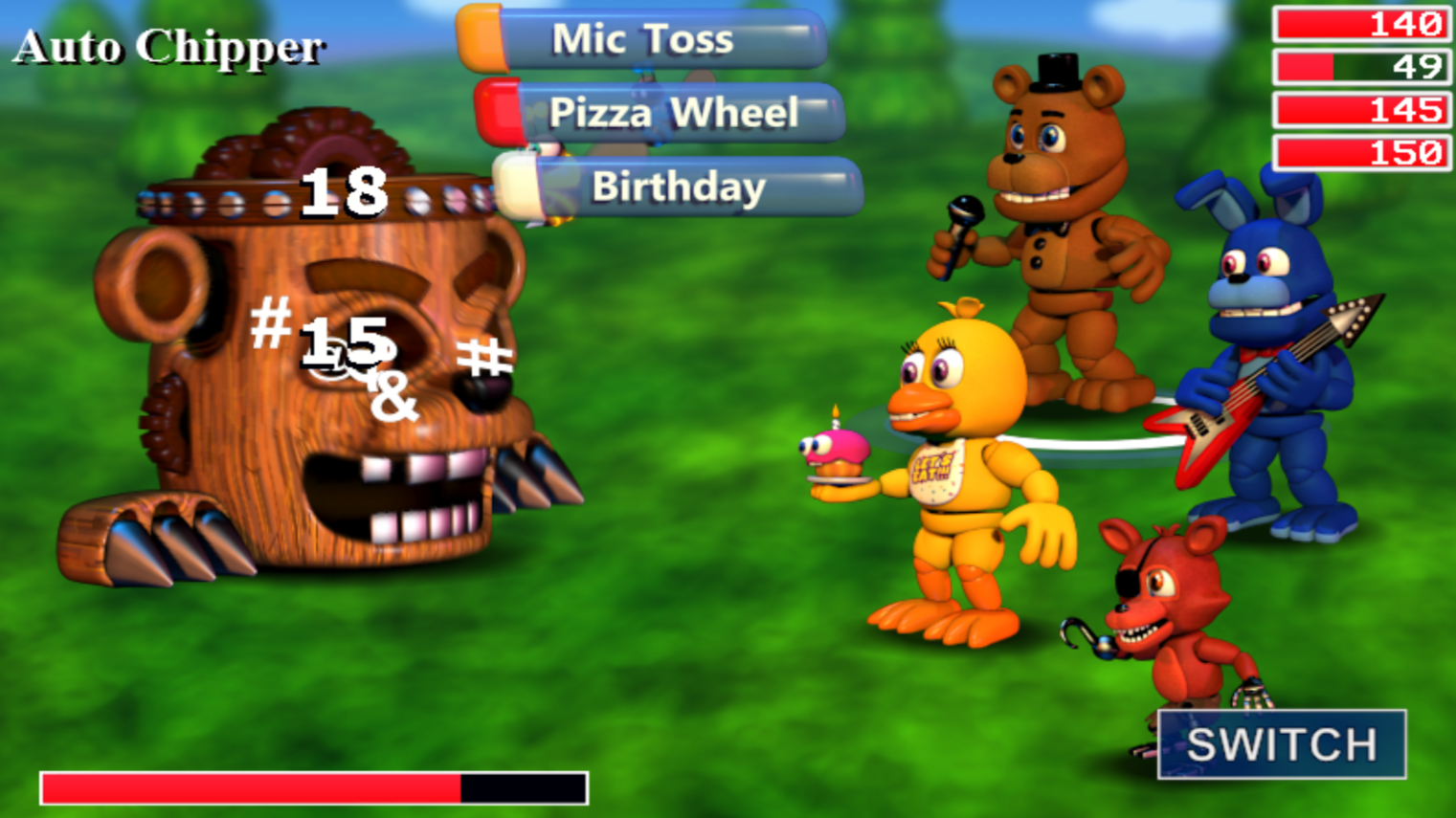
he’s joking right. spot directly above it, too. this is a comedy routine right. survey says fuck no
FNaF World is the aforementioned—or more accurately aforeskipped—fourth monitor content. It is a mindnumbing mash of colors and effects and, wow, this game would love nothing more than to give you a seizure. The battles are pure adrenaline and noise, and their technical simplicity makes it impossible for them to be so in a particularly good way. CocoMelon meets Chrono Trigger is the description I’ve most often heard, but at least that crossover would probably enable you to rationally think about its operation.
Despite it, the game manages to ride up here entirely off of its playground rumor-esque design. It is a game that encourages clipping into random objects, into searching for weird things hidden in corners, finding superbosses in pitch black darkness, yes, Mew is under the truck, yes, you can save Aeris, yes, if you keep the console on for a week and eat a lightbulb you will unlock Sonic. FNaF World thrives when recreating the insanity of those rumors, it is a game built on the misheard and poorly remembered rumors that another, older, more typical FNaF World may have inspired, and it thrives genuinely and it thrives immensely in the moments it does so, it emulates such moments in a way that feels organic to the series while paying homage to something of genuine interest to RPG culture in a unique and fun way, but it only thrives in those short late-game moments.
Every other moment I feel like I’m gonna fall over and die from sensory overload, vomiting out a rainbow as I go.
20. Donkey Kong Country
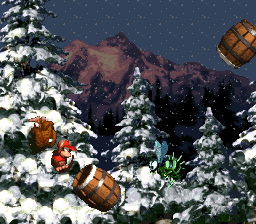
It’s really hard to talk about a game like Donkey Kong Country because a Donkey Kong Country kind of starts and ends at just being that, at least for someone like me who has no real attachment to the character or series. I like this game fine enough, barring some of its levels just feeling like absolute bullshit and the concessions the gameplay makes for its aesthetics being consistently apparent (such as a way too zoomed in camera), but the technical novelty is at least a worthwhile excuse, I feel, and it does look and sound sufficiently impressive and atmospheric. It’ll come up again, but comparison is the thief of joy, and DKC has a really hard time comparing to so many of the ilk it shares its name with. It’s still a good platformer, just one that happens to share the family name with a series of truly excellent ones.
I must be honest, however, this game does serve a unique function to this list, mostly a benchmark game. Everything including and beyond this point are games I like well enough, and it would be a disservice to the remainder of the list to give an implication there is not a gulf of quality between them and a Persona 5 Tactica.
19. Trails in the Sky FC
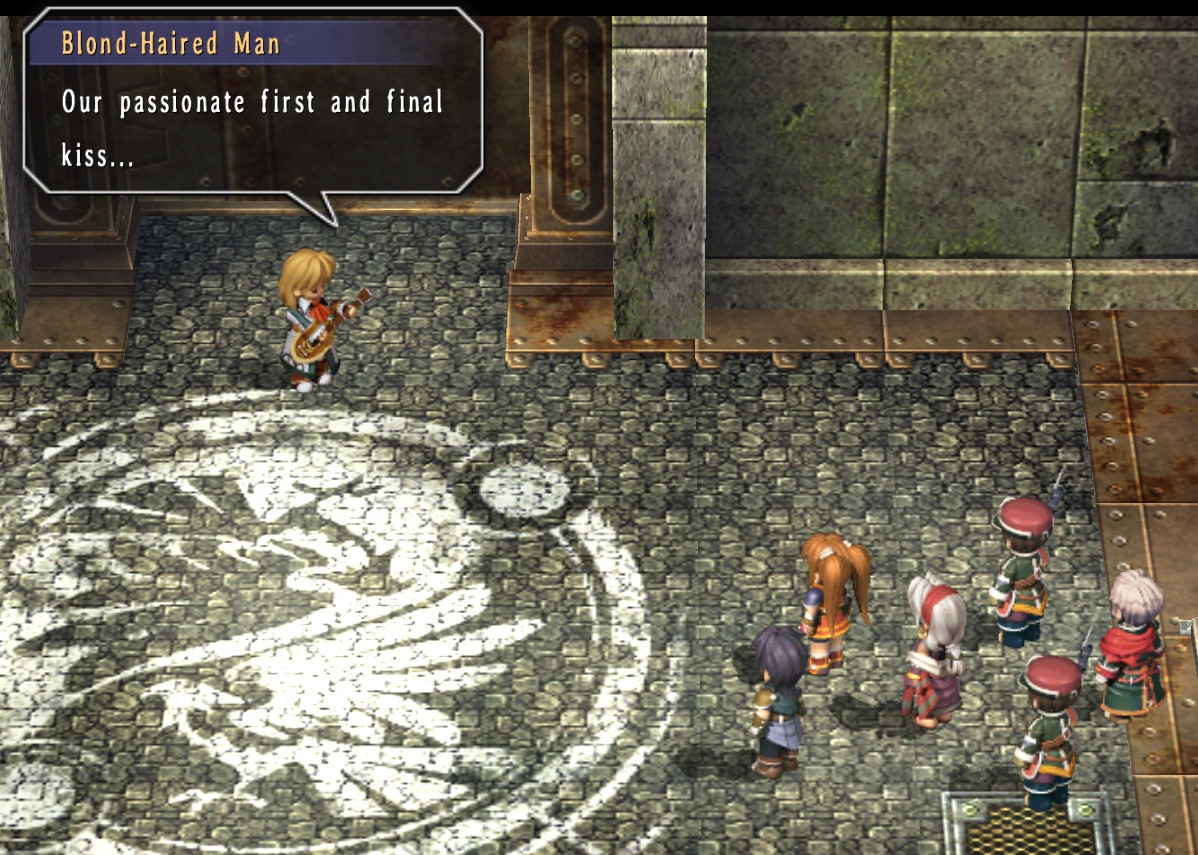
there will probably be a pod specifically for this game where i will give more extensive thoughts. for now i will leave it at “not enough olivier”
18. RWBY: Arrowfell
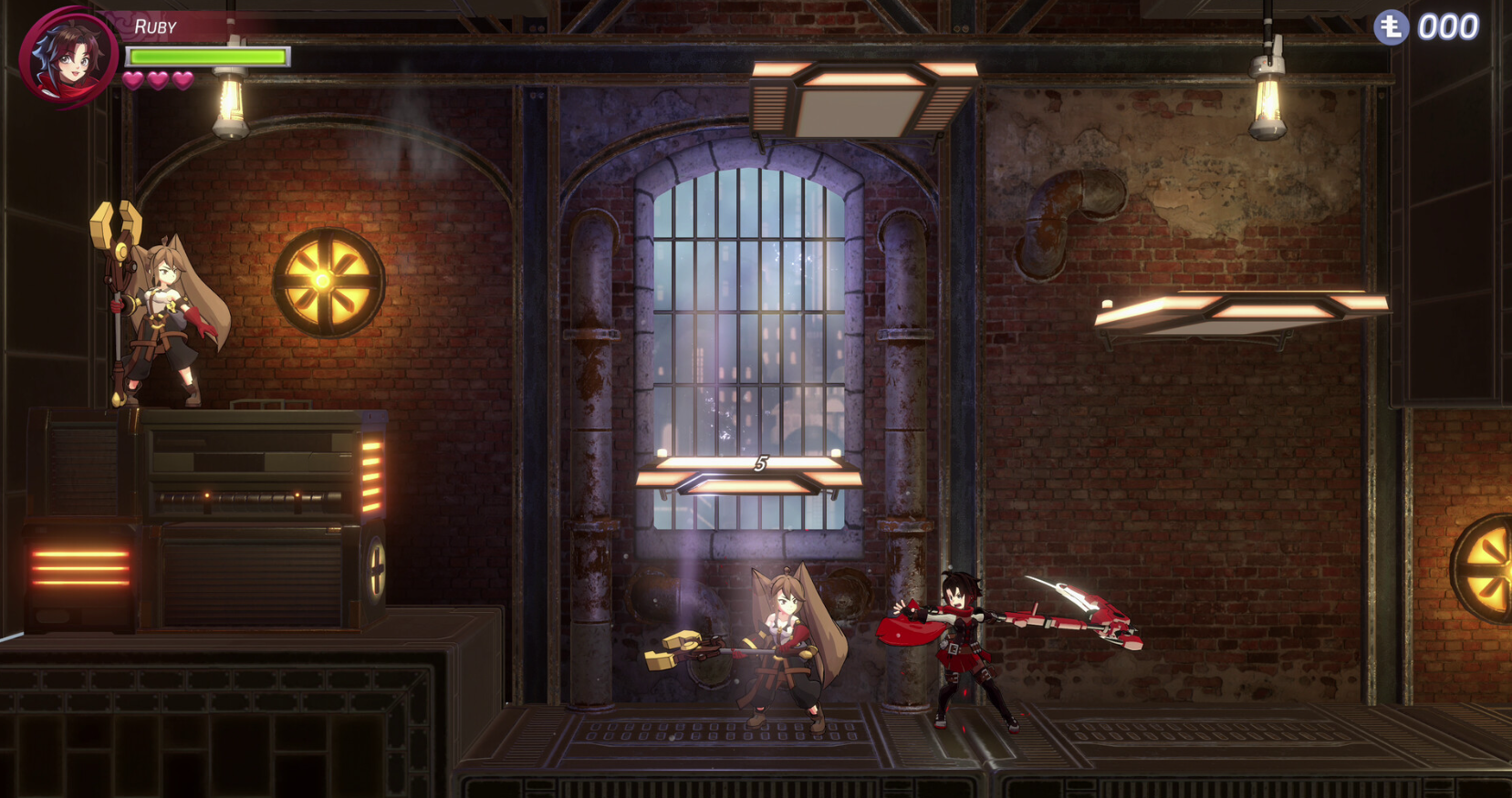
RWBY is a series I absolutely adore. It isn’t perfect, it is riddled with holes and problems every which way, every volume has at least 3 things wrong with it—but I overwhelmingly find that I simply don’t care. It is a series I find beautiful and inspiring and every day I live in the same world as RWBY, the people that created it, and what the people who are no longer with them left behind, it makes me want to be better. It makes me want to achieve even a microscopic portion of their boundless creativity and drive – something I know I will never attain and yet the knowledge of that never upsets me because it means I have something to move towards every single day—ffddand it gets me out of bed in the morning. Because if they could do it? They could fight past their own limitations and make something so awesome and beautiful and inspiring in such earnest? I can do it too.
It is a shame that I have to admit such a personal love on such a milquetoast and basic game. Arrowfell is a licensed WayForward platformer, not their strongest by any measure, but the picture painted is immediate: it is sufficient.
Nothing here is bad and nothing here is standout. It works. It is playable and it is a “small smile creeping across my face” level of fun. I can’t really be disappointed by it: While a 2D platformer isn’t a genre I would ever imagine RWBY touching, nor is it a genre I would ever want it to touch over the dozens and dozens of better options (RWBY fighting game. RWBY fighting game. RWBY FIGHTING GAME), it works relatively well, if slow at times. Not much to say, really. It’s standard—above average for a licensed game, really, though WayForward is at least good at breaking that barrier—and it’s… standard. A real “get it on sale, but only on sale” kind of game.
17. Guilty as Sock!
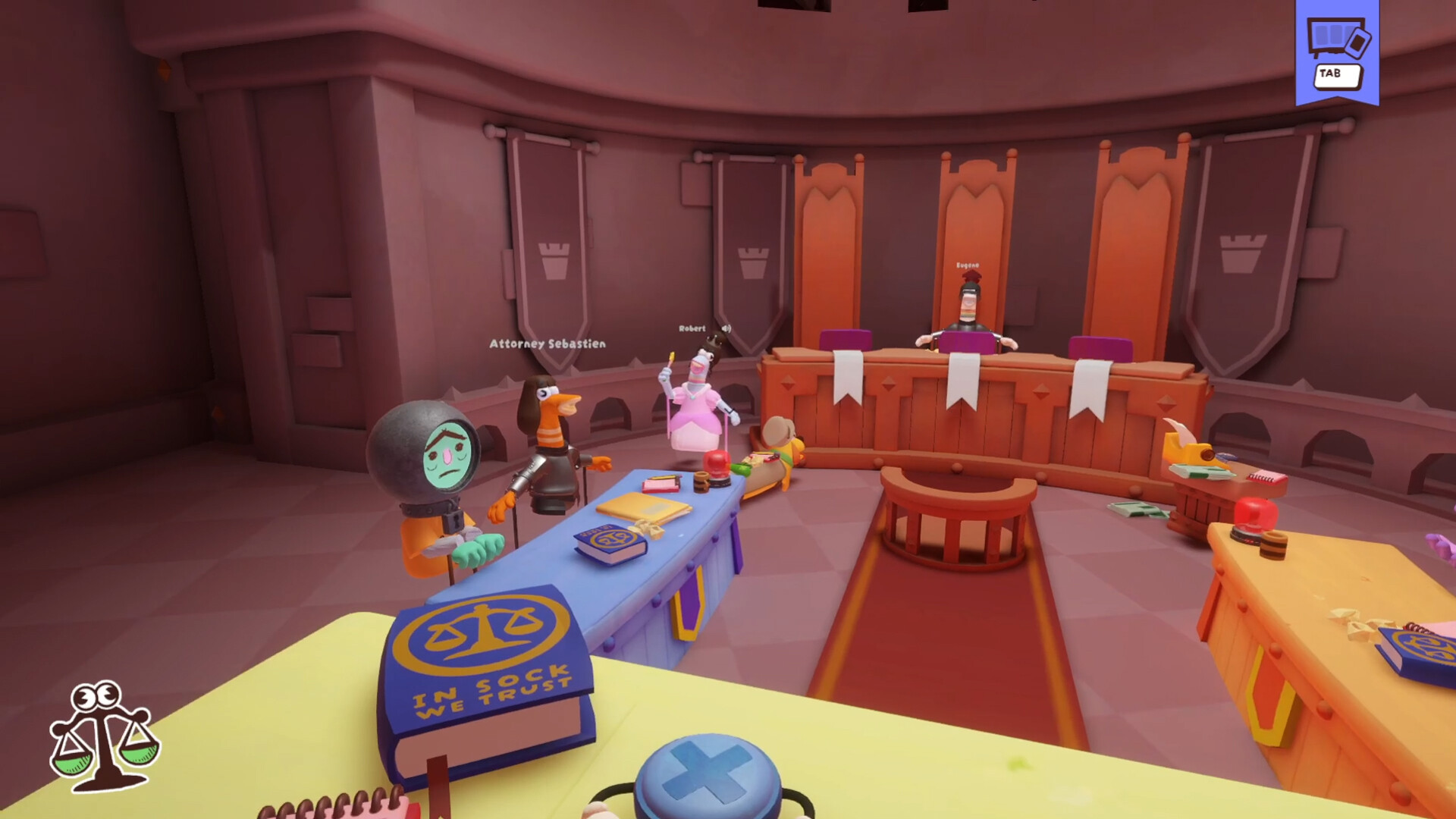
“Friendslop” is an often used term, one that I find equal parts disparaging insult and legitimate descriptor—I use it myself as the latter because it’s so immediately evocative of the kind of game it’s focusing on; the fun part is you play it with friends specifically. It’s funny to laugh at these games. That’s the point. The gameplay mechanics are an afterthought.
I am not one to deny a game what it intends to be, such an idea displeases me, but that intent turns me off from so many games that often use this descriptor. More specifically, their insistence on the mechanics they do have to permit their interactions. Lethal Company is a well-enough made game, but it feels like a slog to me because monsters and treasures are so uncommon whenever I play that nothing really happens – the entire game’s premise is built on things that exist so rarely, they can’t be common because then the novelty that they must subsist off of is diluted, that the intended engagement and humor exists so rarely. Wormtown makes it annoying to play as the worm by design, it is an asymmetrical predator and prey game where the worm’s power is offset by limitations of player knowledge, and immensely slow to play as a human who must account for the theoretically immensely powerful worm. These games are framing devices, ultimately, for social interaction, almost nobody plays these games for their mechanical depth and they’re not designed for that—again, not a note I make disparagingly whatsoever—but I feel the ugly middle ground between ‘no mechanics at all’ and ‘enough mechanics to feel like they service consistent humor’ isn’t one a lot of them manage to avoid.
Guilty as Sock! manages the former. It’s an entirely improv-based game, every player given a role in a courthouse—attorney, prosecutor, judge, journalist, witness, so on—and must simply deduce whether the defendant present is guilty of some made-up crime or not. There’s no ruleset past the foundations upon which its improv is built there is no ‘objective’ past guilty or not guilty, a decision made entirely by the judge player, and only the attorney and prosecutor ever care about it – and in turn, it allows for about as pure an experience in this genre as possible. By shedding any actual mechanical depth at all, Guilty as Sock! is able to consistently be funny so long as you’re playing with funny people, which most of these games live and die by.
This does lead to the trade-off, though, that it is immensely hard to “quantify”, if such a thing makes sense. It’s the video game equivalent of a tiny board game manual in terms of depth, there’s very little the game can do strong or poor—its aesthetic is chipper, the customization is nice, the game runs steadily, it’s just kind of hard to discuss against the strengths and weaknesses of other games when there’s little I can compare it to in terms of what it does or does not do. It’s a very basic framing device for a game, not a complaint when it’s just 5 dollars, and it’s good at it, but it’s hard to place alongside things such as Trails in the Sky or Donkey Kong Country. You could probably debate me into putting it anywhere outside of the top or bottom five of this list. I like this spot fine enough for it, though.
16. Fire Emblem: The Blazing Blade
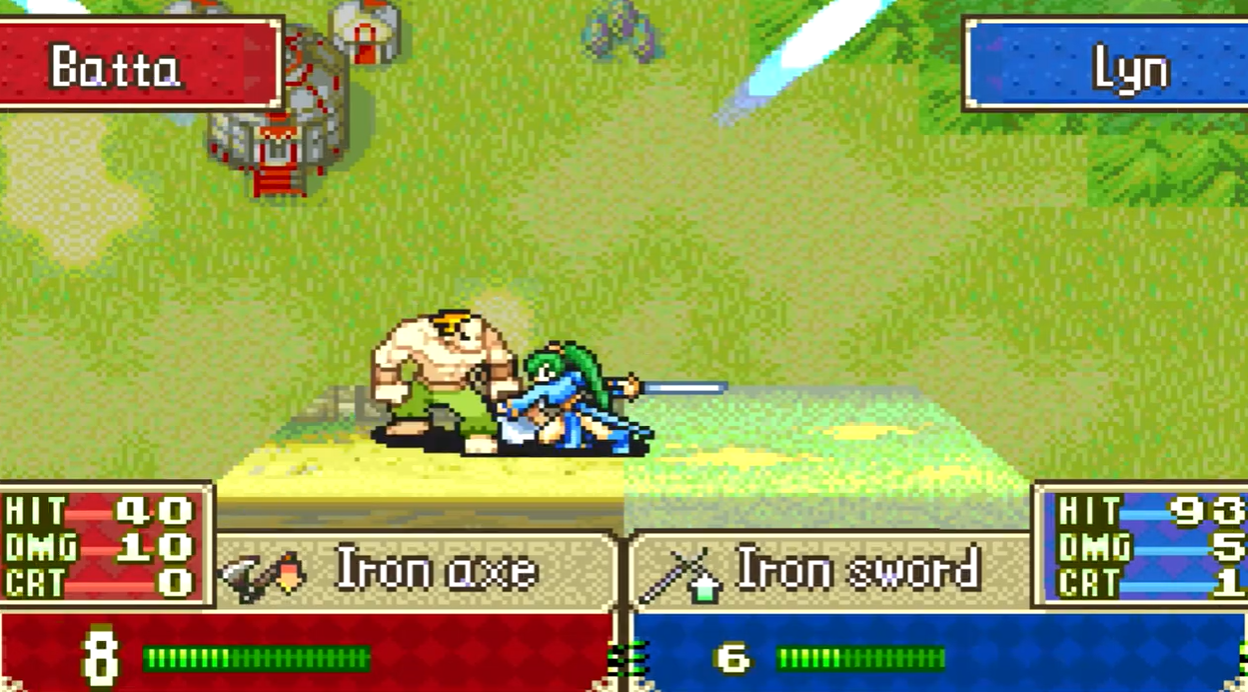
I’ve never had a happy history with Fire Emblem. Years ago, the first game I played was one Genealogy of the Holy War, at the recommendation of a friend who has it as their personal favorite. I did not have any fun with it, it sucked, and I hated it. A while later, on scouring for other recommendations, I found a 100% fully legally obtained copy of Three Houses, and played it with some friends. I did not have any fun with it, I spent an hour listening to them yell at what house I should pick, gave in, picked one I had no interest in, and then was slapped in the face with a calendar system, it sucked, and I hated it. Early in 2025, I gave Conquest a shot on hearing it was one of the best designed games in the series in regards to its maps, a topic I was interested in for my own personal studies on developing my own tactics RPG. I don’t think it sucked, truly, it was easily the best time I had with any of them, it was just too difficult a game to go into with the experience of only 2 early games – an intentional design decision as far as I’m aware, but not a design decision that made it a good first (third?) try.
But it didn’t suck and I didn’t hate it. At the time, I gave up, frustrated, but of course, this was a matter of studying, of improving my own skill as a developer by learning things from a game I had both heard was well-designed and was legitimately challenging me, even if most of it was due to a lack of knowledge. It would do me best that I come to understand how this game operated, and so it follows that it would do me best that I come to understand how Fire Emblem operated. Video games as homework! Woohoo!
So, one last chance. It would not be worth it for me to try it a fifth time, there is no reason I should’ve even bashed my head into this brick wall a fourth time, but I got a recommendation from a friend that this game would do it, a friend who has, over the 4 years I’ve known him, predicted my opinion on every single game I have told him I would play… absolutely correctly.
Sunk cost prophecy.
The Blazing Blade was one of the final chances the series had to win me over at all, and while I don’t find it a fascinating or immaculate or wonderful game, it did succeed in showing me the appeal of the games and winning me over just fine. It’s a fun time, with alright characters (generally: having a tactician you just throw your name onto and they’re you is just such an annoying atmosphere killer that makes the game impossible to take seriously whenever they’re brought up), fun aesthetic, really campy presentation of its story that seems to revel in its simplicity and scoots itself along, comfortably, into the map-to-map gameplay. The core gameplay is a step too linear for me – any amount of customization or passive abilities or anything in that field would have probably gotten me singing this game’s praises much more strongly, as without it so many characters feel almost superfluous (I get this series is Horse Emblem and mounted units are great but I don’t need 4 horse guys in a game that’s either ‘every enemy is baby hitting me with sticks’ or ‘Oswin and Marcus play every map by themselves’ difficulty-wise), though I also accept that isn’t the kind of game that this era of Fire Emblem was interested in being – but it’s fun and breezy in a moment-to-moment manner that said simplicity enables.
A friend of mine mailed me his old copy of Three Houses about a week or two before this article gets posted. As of writing I have stayed up until 4 AM playing it at least 5 times. The return to Conquest is imminent.
I will meet Peri soon enough. Peri will show up on this site’s main page soon enough.
#15: Disgaea: Hour of Darkness
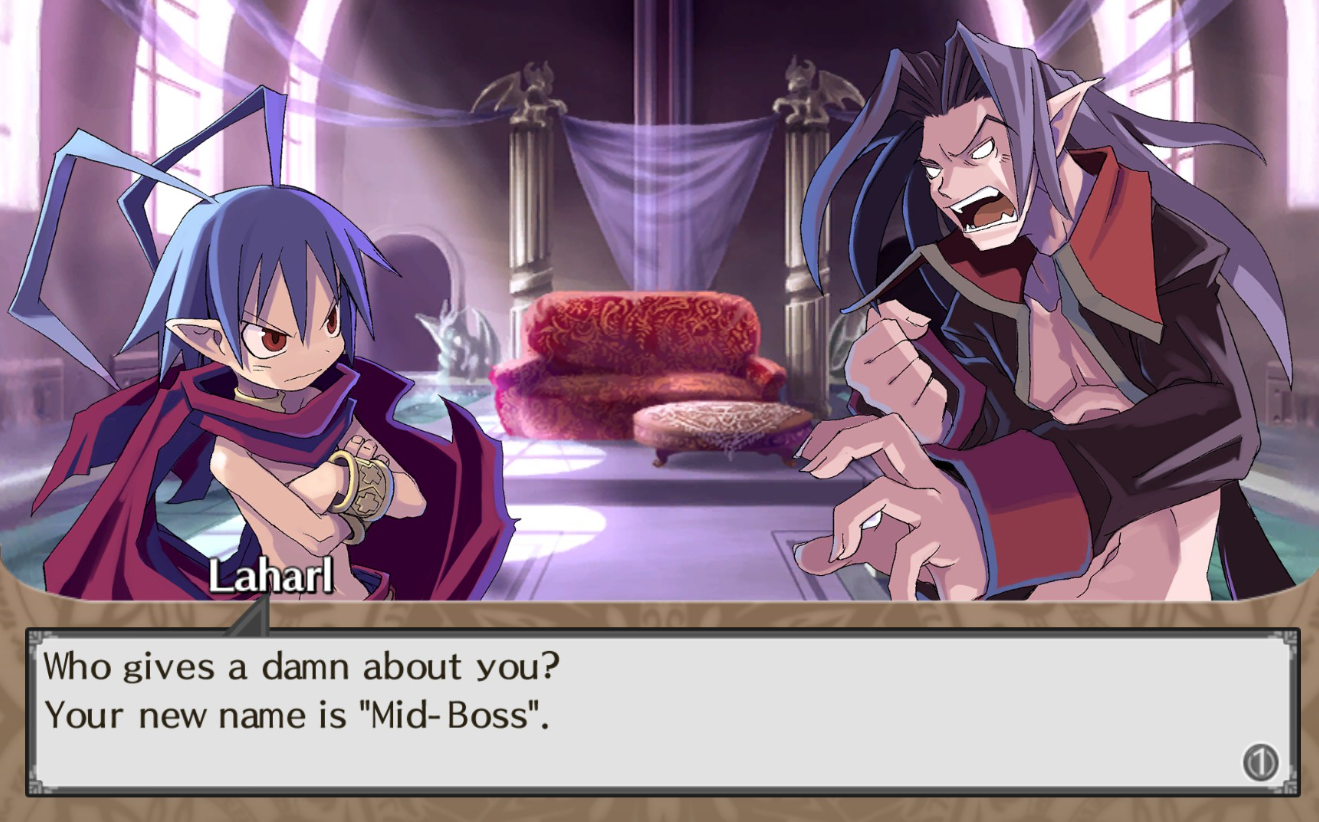
I quite like the Disgaea series, if only because I love ruining every single game by breaking it into pieces. You may be surprised, given the low placement of Balatro, but I will destroy any game if given the opportunity. I don’t think this is any objective measure of game quality, but I also don’t think I would love the games I love if they didn’t have those small little holes in them that allow for stupid shit. Disgaea is the poster child for that idea, a tactics series designed to constantly make you feel like you are cheating, getting one up on the game, before it flexes its arms, showing you it has more than enough muscles to kick your ass right back, and then those grow and start flexing their own arms.
The first Disgaea game is a tricky one to approach, as the series has an extremely widespread availability – if you can buy Hour of Darkness on something, you can probably buy at least 3 others for about the same price – that I must confess make it difficult to judge on the independent merits that I should, or from what groundwork it laid, especially in comparison to its direct successor Disgaea 2. It, as a game that precedes the rest of the series, obviously does a lot of things mechanically worse than them. It simply hasn’t gotten there yet, and that’s totally fine, but this feature is, in and of itself, a matter of comparison and ranking. Hour of Darkness just suffers the hardest for it.
Worse Item World generation with way fewer features is a MASSIVE hit to a Disgaea game. It is very easy to find yourself in floor layouts you just cannot beat and must either use limited resources to escape – I have no issue whatsoever with the Gency system, I should note, I just find the first Disgaea’s lack of guarantee you can clear a floor makes the Gency you’d rather be carrying much less a tactical decision and much more a ‘ah, great, game fucked up, hang on’ one. You’re never not carrying a Gency, but it feels much less engaging to carry in 1 – or just turn the game off and lose the progress you’ve made on the Item World grind, a process that’s lengthy early on and shortened only once the game’s poor generation likely isn’t an issue. And these Item Worlds still have so little to do or search for that they pale in comparison to any half-decent system in the series’ other entries. There’s a few other issues – worse monster weapon diversity, inconsistent passive abilities, an “ultimate” class, so on – but the Item World being as simple and shoddy as it is is by far the game’s greatest weak spot gameplay-wise. It’s a randomized endless mode where every randomized endless level either feels the exact same or is the game having a mental breakdown trying to generate it.
The game’s narrative is typically considered its strongest feature – if someone in the modern era is recommending this game for any reason, it’s the story – and while I’d say this game’s writing is extremely strong in comparison to a game like Disgaea 2, it’s an extremely standard affair on the whole. There’s also the matter that very little of a Disgaea game is spent on their narratives, these are multi-hundred hour grindfests by design and the story is a relatively short typical RPG runtime within it. A vast number of the 100+ hours you’ll probably end up spending on this game if you like it do not involve ‘character’ or ‘narrative’ at all, they’re all gameplay, and again, in such a category is where Hour of Darkness scrapes by with a ‘pretty good’. It’s not bad, it’s classic Disgaea, but again: in an exercise such as this, one based around comparison, it’s hard to not look at this game and make comparisons.
Would I recommend Hour of Darkness? Absolutely. It’s a fun time, it’s a strategy game made to make you constantly feel like you’re cheating or snapping the game in half, with endless tools and options to spare, the characters can be fun if a bit obnoxious or trope-y (though such a thing is a Disgaea game’s bread and butter), and it’s not like it’s a bad entry point to the series. If any of this sounds interesting, you should play it. It rules. Its sequels just tend to rule more, and one of those sequels is even on this list.
#14: Mouthwashing
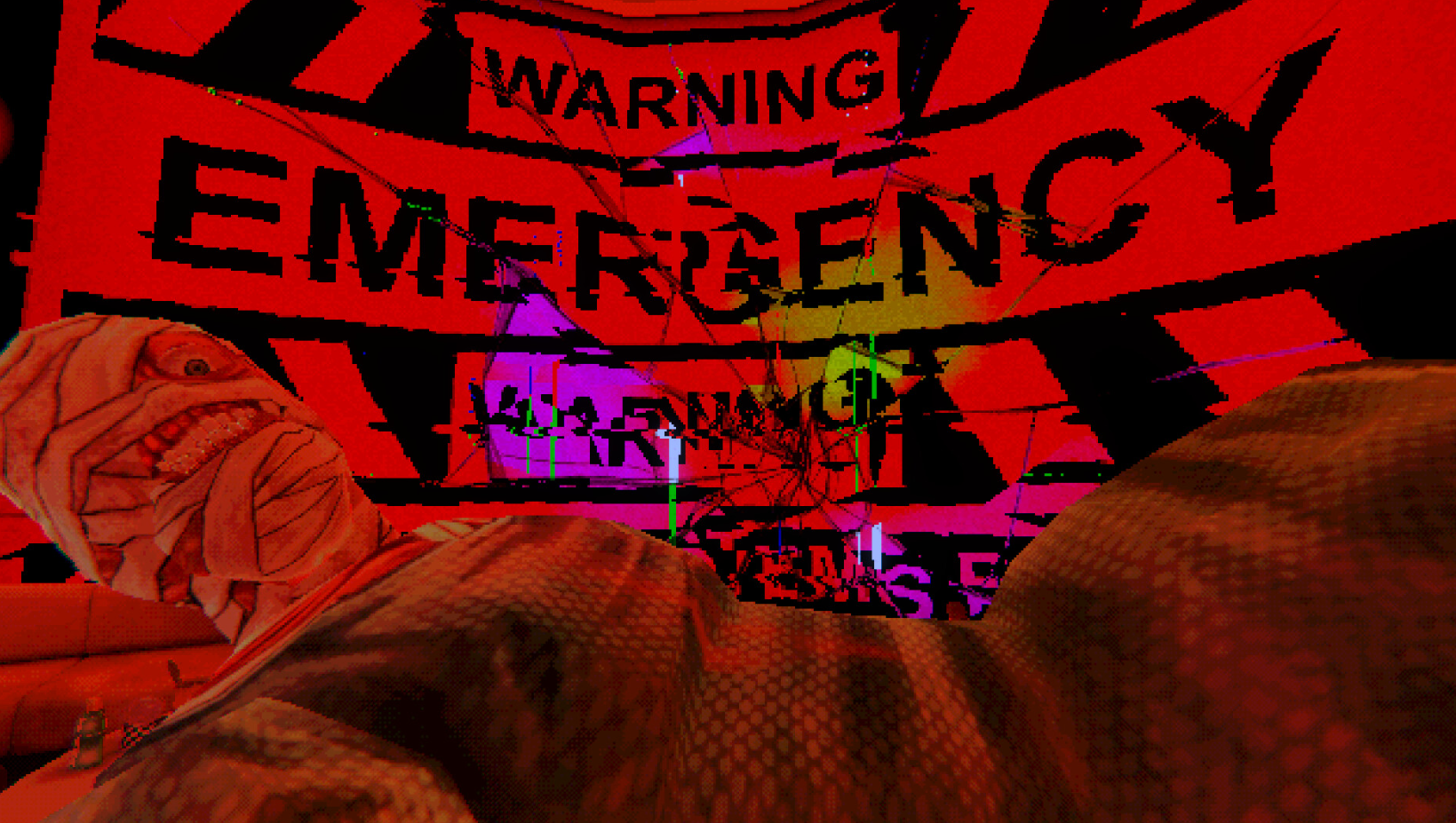
I feel bad writing mostly negative entries for more popular and well-acclaimed games like this or Disgaea because I feel their praises are more consistently understood. If you like Mouthwashing in earnest, it makes sense why. I don’t need to sing the praises this game’s already gotten, it’s a compelling story, it’s got an aesthetic that although popular is extremely striking, the atmosphere is constantly tense, I just don’t have much unique or worthwhile to say about it barring a negative personal note.
Said note is that it’s got a relatively low placement because the gameplay segments—as minor as they generally are—rarely are servicing the game, they’re typically either extremely simplistic and generic horror chase segments or very basic puzzles that feel designed to burn time. The game is thick with tension as is, oppressive, demoralizing, haunting, all that good stuff. It doesn’t need an invisible horse monster chasing you through a cargo hold for 15 minutes to try scaring you because it has way better ways to do that. Overall a really strong experience, I just wish it did away with most of the more typical horror game elements that seem to exist purely to remind you of what genre it wants to be and went more “3D visual novel” with itself.
13. The House in Fata Morgana
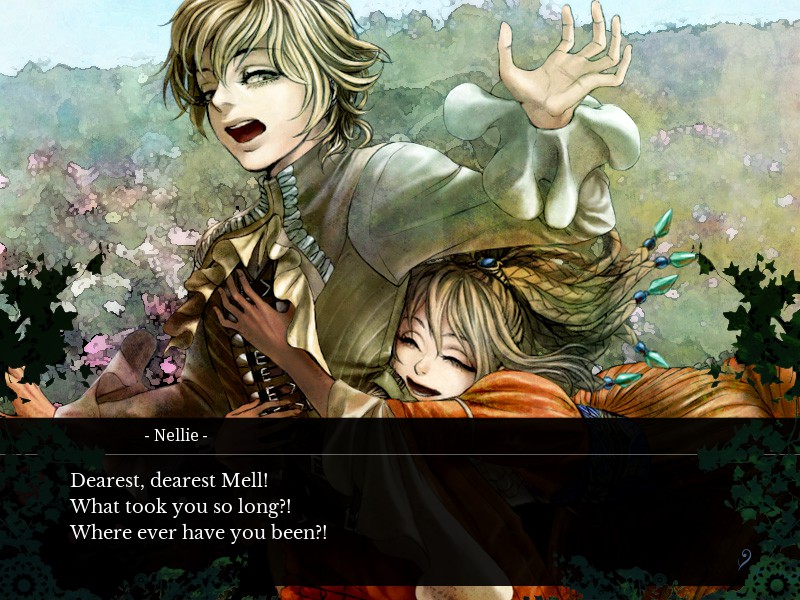
I wish I could write out my deeper thoughts on this game but it’s really hard for me to mentally quantify what is and what is not a massive spoiler for this game. Even if I have some issues with it, I like The House in Fata Morgana quite a bit, I just have no clue how best to write about it in a list like this.
michel kinda bad though
#12: Undertale Yellow
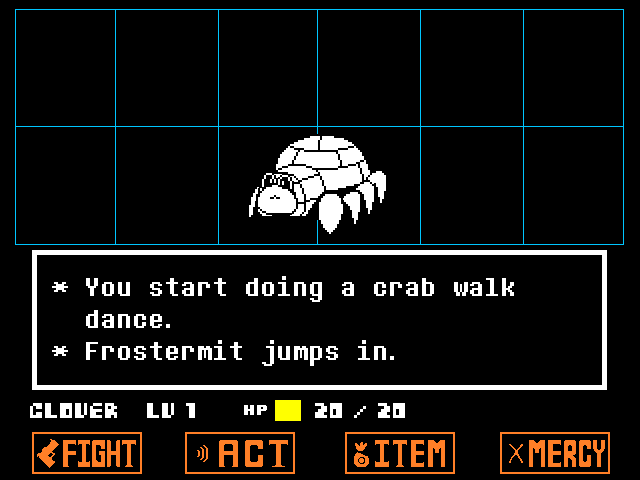
I don’t really care for Undertale, partially for gameplay reasons—combat just isn’t engaging either peacefully (sparing puzzles are way too simple all game to the point Deltarune solved the issue by basically becoming WarioWare in an RPG skin) or violently (which is obviously by intent, it’s not a decision I’ll fault the game for) – but a big part of it is that I find its meta-commentary on how we engage with RPGs doesn’t really click with me, for a lot of reasons that Deltarune seems insistent on fixing (Mainly a bunch of factors that amalgamate into ‘the genocide route’s narrative is really lame when genocide is the most obvious thing someone would ever do on a second playthrough’). I don’t find it a bad game, I just don’t really enjoy it a ton. It’s just a good one.
Undertale Yellow nixes basically all of that meta-commentary, and while it doesn’t solve the issue of combat depth, it keeps the mind off of it, setpieces coming at a pace even Deltarune would have trouble keeping up with at times. The game’s core cast of characters that keep popping up helps make the world feel more engaging – the worldbuilding, too, is especially strong, it’s an earnest attempt at expanding the universe of Undertale in a way that feels natural and thoughtful. It’s got to twist a couple narrative knobs to do it, there are certainly a couple rips in the thread that ties it to Undertale, but I really cannot be assed to care and I really cannot understand people who discount this game because of those inconsistencies.
What Undertale does right, like its style of soundtrack, it keeps or, like some of its final bosses, even outdoes, and what Undertale doesn’t do right, it fixes, nixes, or has a backup plan for. It’s a great fangame – probably the shining example of a fangame – and it’s one I can’t recommend enough for anyone who even has a cursory appreciation of Undertale.
11. Sheep, Dog ‘n’ Wolf (Looney Tunes: Sheep Raider)
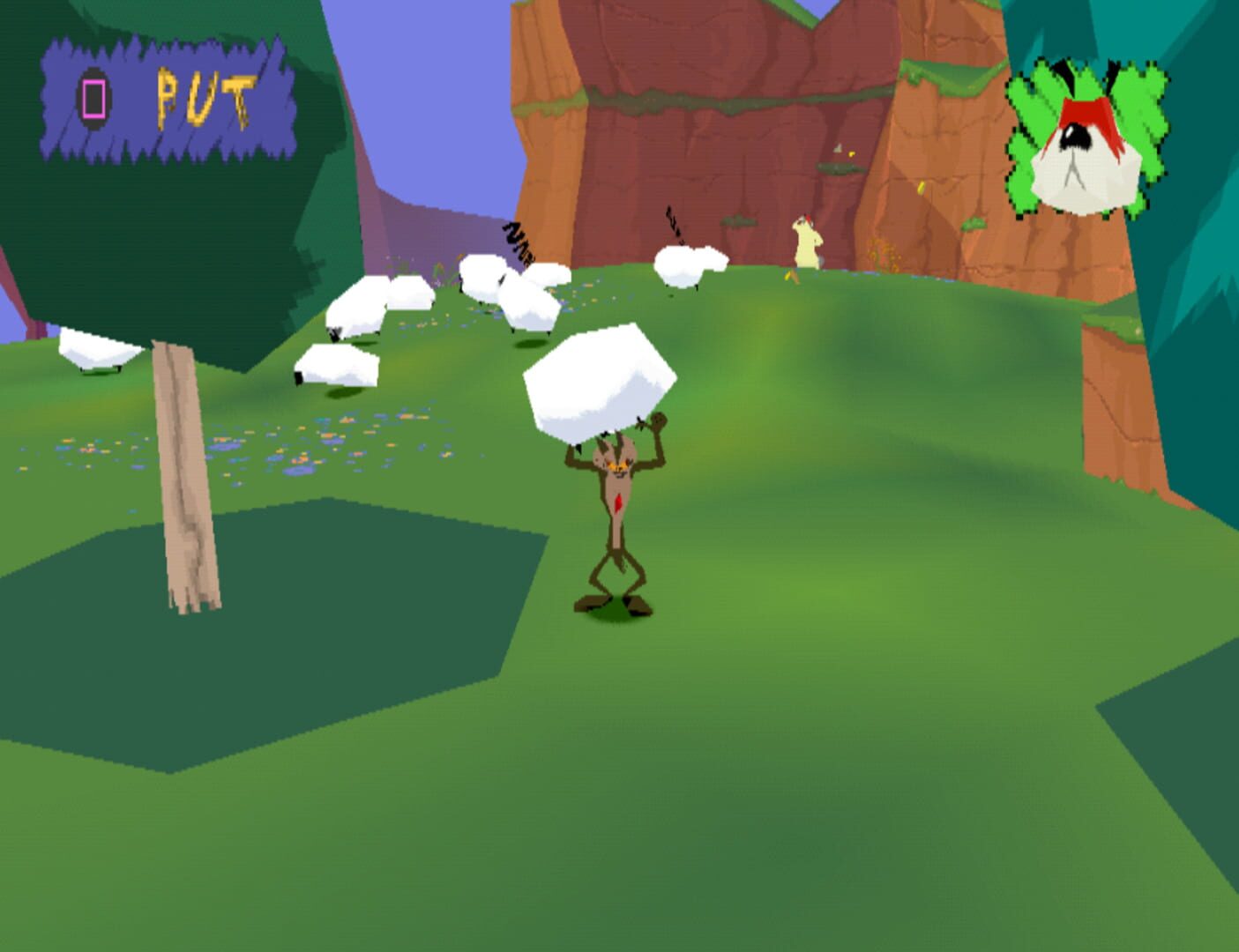
This game almost entirely sells itself off of its premise: what if we made a puzzle/stealth game operating off of Looney Tunes logic? A lot of puzzles in this game sound extremely absurd when worked through mentally, and there’s an immense amount of interactivity between the different elements you’re provided with that seems designed to make you catch yourself in the middle of your own thoughts and just start laughing about how absurd something like, “Hmmm… the bull will chase me if I wave the red flag in front of him, but he won’t run into the wall the piano is teetering on the side of. If I paint a tunnel underneath it… will that be what tricks him?” sounds. Every level is a comedy of errors (though some better than others) that you’re so rarely allowed to laugh at because you’re treating sneaking around in a bush so you can order a sheep costume from ACME catalogue as the life-threatening danger it is in this game.
The game’s aesthetic is bouncy, angular, vertex animation very few games on the PS1 even come close to – it’s not a perfect representation of Looney Tunes, but for a game of this low fidelity, it’s an amazing interpretation, especially considering how snappy the animations permit the actual platforming controls to feel. The jazzy, laidback soundtrack almost exists purely to emphasize how stupid and meandering it all is, and yet, it is that meandering stupidity that makes it engaging. There simply is no puzzle too stupid for Sheep, Dog ‘n’ Wolf.
10. Rayman 3: Hoodlum Havoc
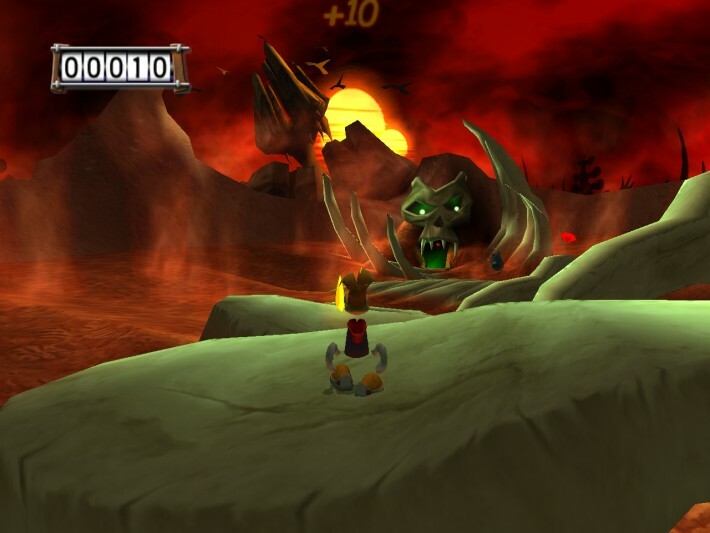
There’s a constant, flowing, boundless creative energy in every pore of Rayman 3. It’s not as directed as the prior entry, rather the opposite: there’s an energy of ‘we can do whatever the hell we want, so let’s do it’ running through this game’s veins. Single levels will contain gorgeous ethereal towers made of stars, adjacent to bumper car games with shoes followed by the game’s only swimming segment, dedicated solely to a single boss battle. The game’s sense of humor is dry, snappy, off-beat in the way so many games of that era were, but the mechanical and designed zaniness of the gameplay, the frenetic combat and score system that encompass the world, a beautifully lackadaisical world, complements it in a way that I can only think of a single peer in Crash Twinsanity doing with its own gameplay. It’s also backed up by extremely solid performances from its vocal cast, with special shoutouts to John Leguizamo and Ken Starcevic.
The gameplay is arcade-y, the aforementioned scoring system incentivizing you to treat what could otherwise be a relatively typical 3D platformer as a series of arcade levels, each their own mini Rayman 3 games. Route what you plan to do and where to go, nab high scores, platform smart; it’s surprisingly in-depth stuff for a feature you could just as easily write off that asks a lot of you in terms of engagement. Collecting the crystal items laid around the world, combating enemies, using the game’s first person camera feature to spot little secrets laid about its gorgeous world; it coalesces into an experience that wants you to love and understand Rayman 3. There are some slightly weaker spots: combat isn’t phenomenal, it so rarely is in these kinds of games, but it’s never frustrating, just another tool the game has in its arsenal. Done with one setpiece and onto the next, and servicing that, Rayman controls extremely nicely, and the vast array of power-ups helps a simple kit for a short game avoid feeling too bare.
Rayman is a series that is very consistently inconsistent, at least until they settled on using Origins’ engine for Legends (as well as an endless cavalcade of mobile games) and such a style finds its payoff in Rayman 3, a game not beholden to anything but its current whims. There’s a horror level. There’s acid trip railgrinding segments. One of the bosses is just the Micolash fight. It’s a game that expects you to roll with the punches, and if you can get in its rhythm, punch back in a very uniquely strong platformer for the time.
9. Sonic CD
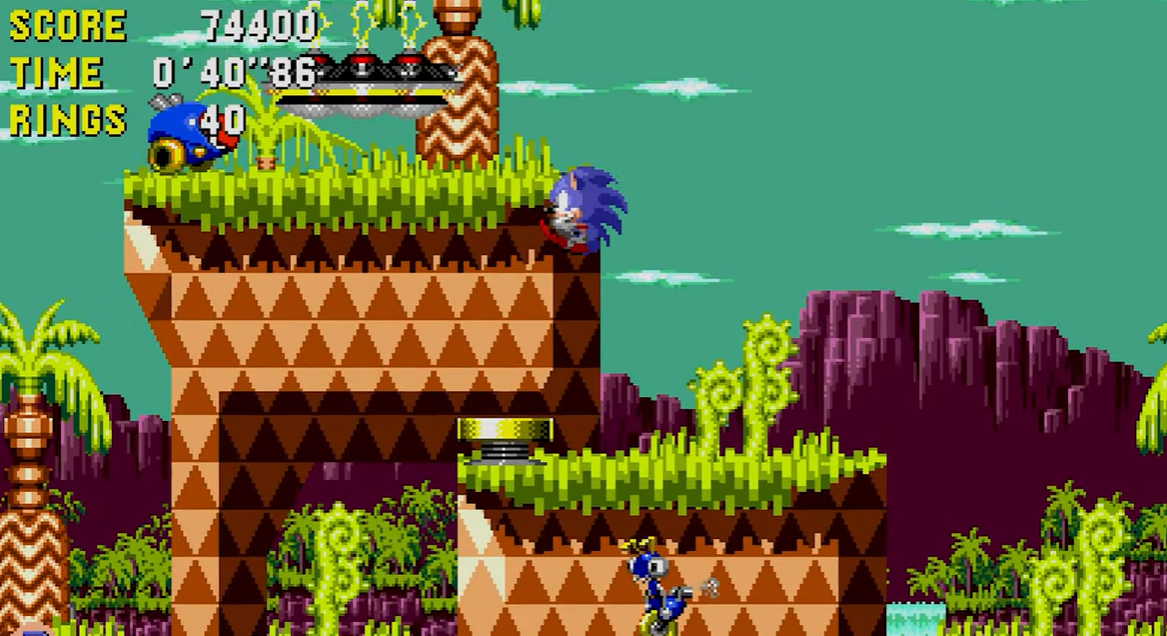
oh my god it’s a sonic game where i have to actually think about how my speed interacts with the level design and there’s legitimate punishment for not thinking things through holy fucking shit no wonder why sonic fans don’t like this one
8. Banjo-Kazooie: Nuts & Bolts
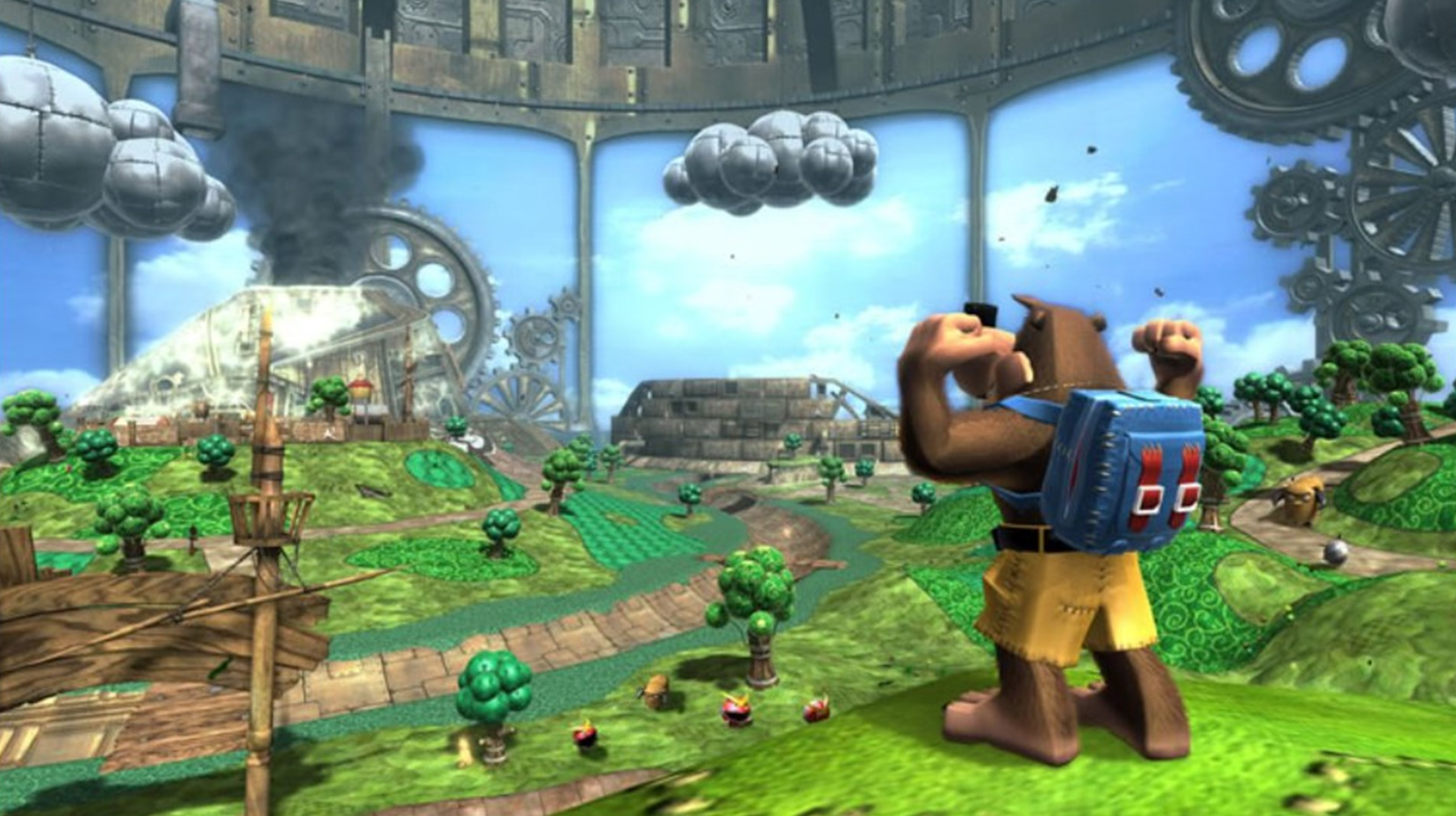
This one was going to get a full feature about how the passage of time can be more or less favorable to games, how I was affected by it (this is a game I played endlessly as a young child into my teenage years, then came back to as an adult to see how it would compare with my modern opinions and tastes), about the depths of freedom offered by this game in comparison to its predecessors, how it approached the formula the original games laid out, there was like a 4 page opener about Final Fantasy X and Tidus in there, yadda yadda yadda, a bunch of cool sounding stuff, and then one of the endless straws broke the camel’s back and I stopped writing about a Microsoft game.
But I feel I should give Banjo-Kazooie: Nuts & Bolts its due here, at least, because it’s a really great experience. It’s a continuation of the original series’ sardonic humor, it goes for a unique aesthetic made to compliment the boxy constructions the game is designed around (though I will also admit: some of these character models are pretty wretched), has massive worlds that—despite a relatively empty appearance—are well-suited to a surprising diverse set of challenges and puzzles, and enables a massive amount of creativity and depth, both intentional and unintentional.
The game’s physics engine and vehicle design rules are a particularly… odd point. I have no idea where the creative solutions the game wants you to come up with begin, and where glitches the game has no idea should happen end. One of the challenges forces you to pilot a plane through a series of extremely tiny hoops—is the game asking precision of you, or is it asking you to make a tiny cube plane by just stapling the “plane” elements together into a cube that the game still technically registers as a plane? Is the pizza delivery mission expecting you to just rip off the giant ‘pizza’ sign stapled onto the vehicle that’s weighing it down, or did they not think of that and just put the giant ‘pizza’ sign on there to be cute? I have no idea, I don’t know if the game does either, and I love it all the more for it. I have managed to anger many a friend by asking if this one counts as an immersive sim, a friend count only beaten out by Bugsnax.
nintendo ripped this off for a zelda game btw never forget that
7. BlazBlue: Cross Tag Battle
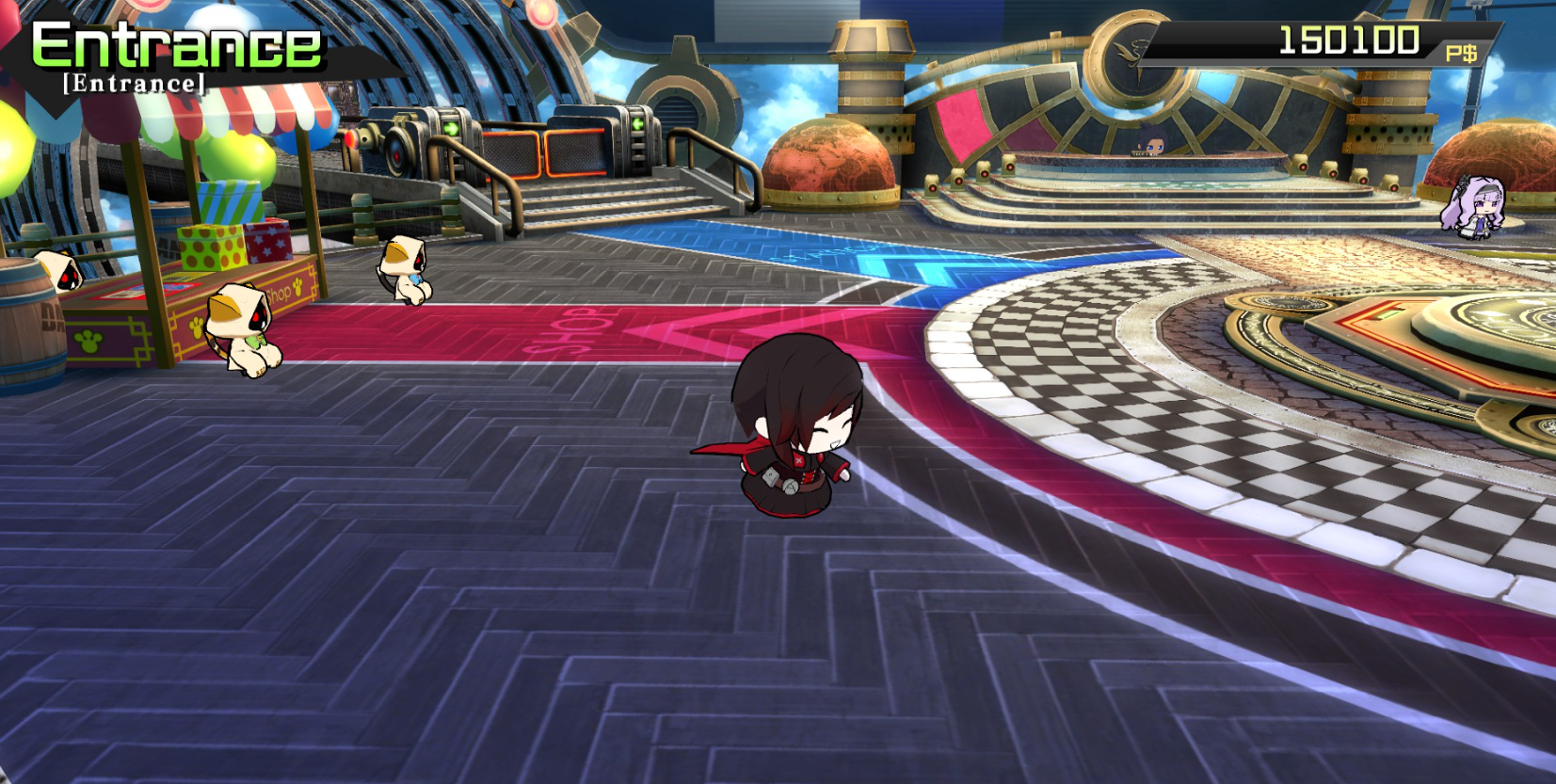
I fucking hate this game.
6. Labyrinth of Touhou – Gensokyo and the Heaven-Piercing Tree
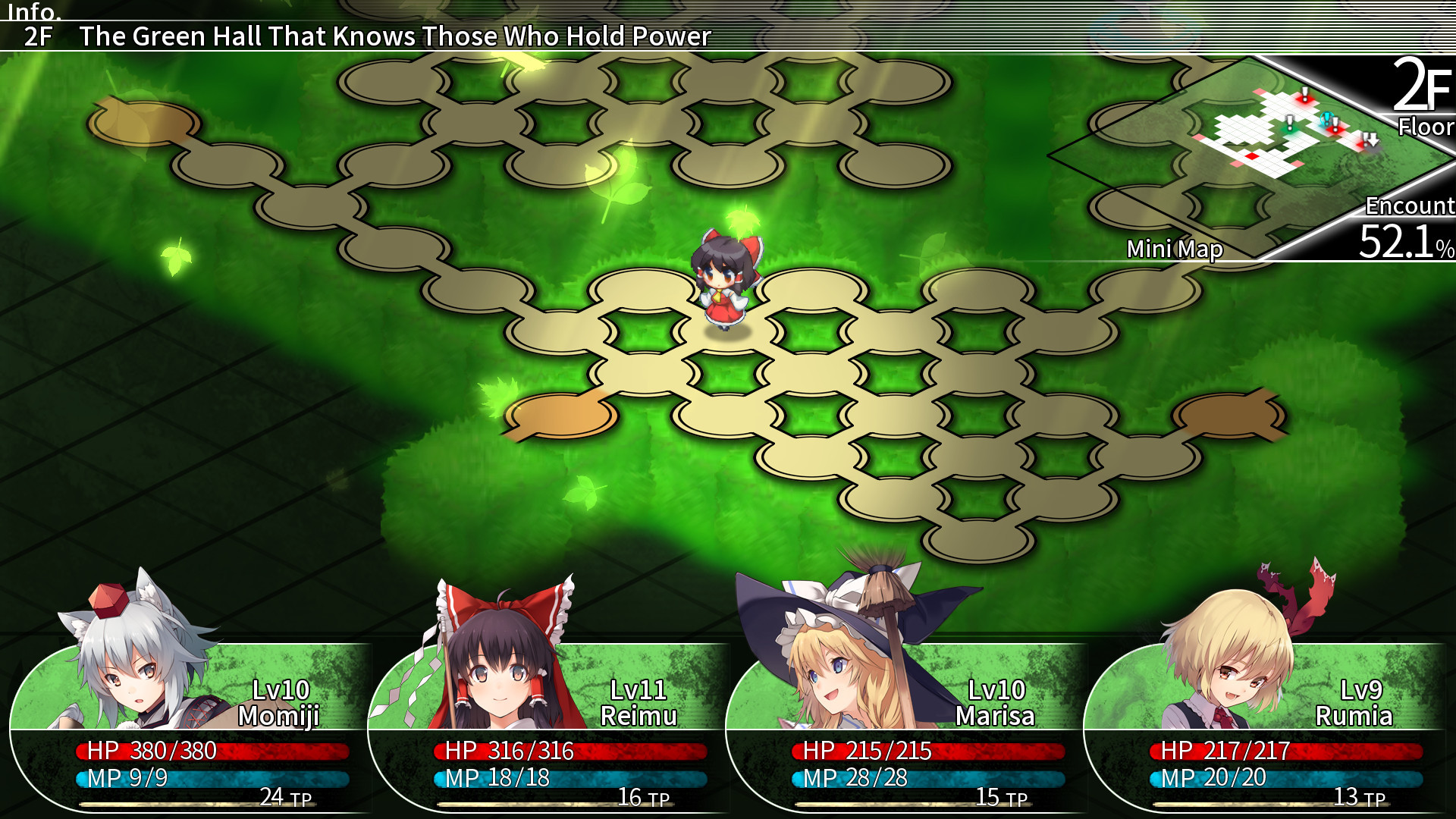
As mentioned prior in my Disgaea entry, I love whenever a game lets you get real stupid. Enter Labyrinth of Touhou, a dungeon crawler that spares no expense at making that extremely easy for you. There’s very little sense of punishment in this game, and while I definitely see it as a flaw for some people (and my biggest complaint with it is, ultimately, while it’s not hard for this game to be hard, it can feel really toothless. Also, some of these floor gimmicks were so bad I saw what they were and just turned the game off for the entire next week), I think the degree to which it enables customization without punishment for investment is nice. It’s its own style, it’s a game where you can do whatever whenever, and while I wouldn’t want every game to be like it, I enjoy Labyrinth of Touhou well enough for it – it’s a game entirely dedicated to RPG teambuilding and synergizing, so, they made a game that’s a teambuilder’s dream.
My favorite Touhous are Mamizou and Aya.
By the way.
5. Disgaea 4: A Promise Unforgotten
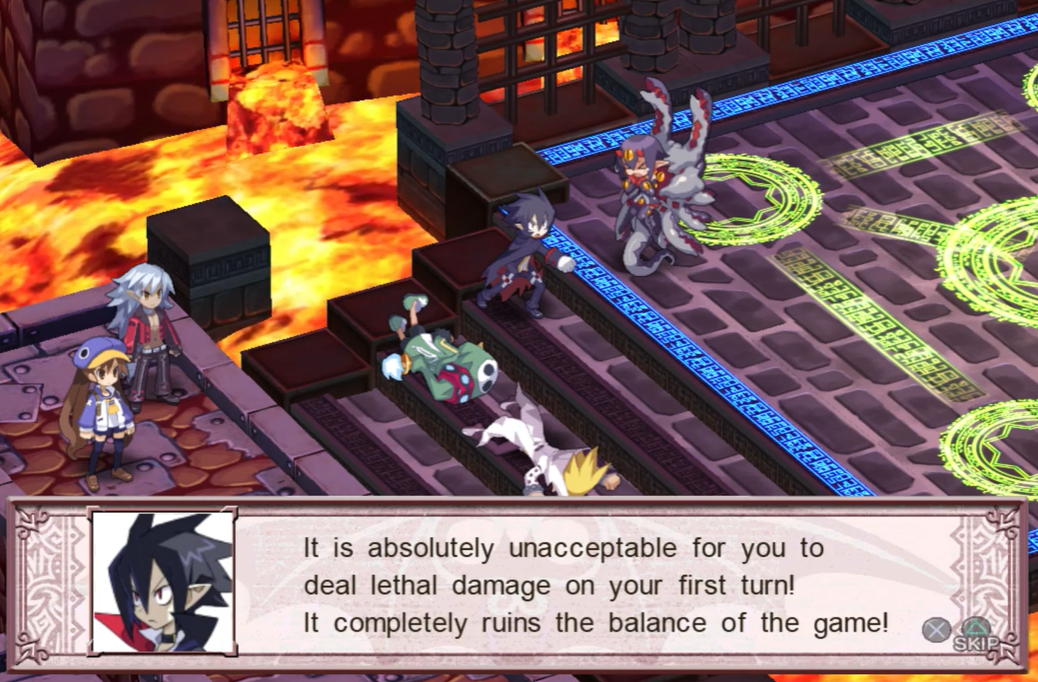
And so we come to one of our aforementioned “later Disgaea games”, A Promise Unforgotten. Playing the first Disgaea got me in a mood for more, as any ‘good but not the best’ game from a great series will do, and so, my eyes landed on Disgaea 4, a game that I often saw get the reception 2 did – strong gameplay, horrendous story, generally one of the stronger entries, so on – and while I quite like the series on the whole, 4 impressed me in a lot of ways I didn’t really expect it to.
The narratives of these games, again, don’t matter all that much, a Disgaea story is effectively a Disgaea tutorial, but A Promise Unforgotten seemed a lot more interested in it than it tends to be. Its characters and world feel suited to the series’ goals, everyone’s morals just so off-center, everyone’s core concepts – Fuka, a high schooler who died young and refuses to believe she’s in hell, or Desco, a weird monster girl who thinks she’s supposed to be the game’s final boss, but gets fought in Chapter 3 and spends the rest of the game in the main party so she can train herself up for when the final stage comes – so just weird enough they can hold their own as personalities while still staying in style, and the entire cast feels like they have a reason to be in the game as opposed to cases like the first Disgaea’s Flash Gordon parodies or Disgaea 2 throwing Adell’s siblings at you. 4’s cast is goofy, they’re weird, they can hold a funny conversation, they can be monumentally grating if you spend too much time around them, but that’s all Disgaea really wants.
It’s a surprisingly politically-focused game, so many of the series’ staple mechanics either reworked or have an emphasis put on the inane morally-reversed politics of the demonic underworld, where corruption and under-the-table deals earn you more votes, and actual policies are a surefire way to come out on bottom, and how that ties into the political stances of the ‘real’ human world. It infects the dark assembly, now a political map where you dispatch senators to different territories to build different government stations. It infects the online functionality, where you can send your own party members out into other people’s games to vote on what they can and can’t do. It’s an old game, the online isn’t particularly active, but it’s a game that very clearly wants and allows you to actually be a piece of shit demon – to other people, too – instead of just saying that’s what you’re doing like in the other games.
Mechanically, it’s more of the same, never a bad thing with a Disgaea game. Monster Fusion is the biggest in-battle change, another attempt to give monster classes more functionality (though I feel it pales in comparison to the game just making Magichange functional), the item and chara worlds are as extensive as ever, with the path system introducing a grander sense of choice and exploration that feels fitting for a mechanic you’ll be spending so much time on, it’s generally just another strong entry in the Disgaea series. I do take issue with its decision to postpone some things until late-game—trading off most worthwhile innocents, weapon mastery, and so on for post-game equivalents is really annoying, and it makes the grind to get to the grind feel uniquely slow for a Disgaea game.
Ultimately, I find A Promise Unforgotten to be the Disgaea that gets across what Disgaea wants to be the best: It’s irreverent, it’s deranged, every character is off their rocker in one way or another, and you can play it forever and ever and ever. Go play it.
4. Sonic Racing: CrossWorlds
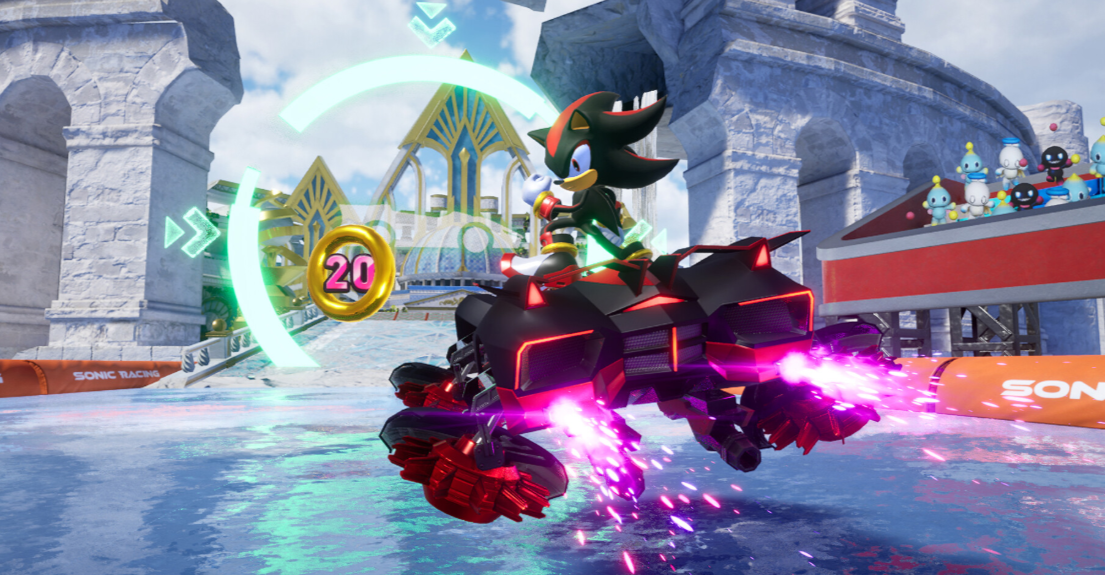
oh my god he put a game from 2025 on his 2025 games list
CrossWorlds is just a super fun time. It’s a kart racer with great music, extremely fun drifting mechanics, and the gadget system is a great way to customize your playstyle without ever feeling like it’s just throwing the actual intended gameplay depths into the grinder. While I’ve a few misgivings—the game tries a little bit but really doesn’t play around enough with the fact it’s got so many Sonic characters freely interacting with one another, the jukebox is overall good but I wish it didn’t feel as restrictive as it is, and on the whole I’m not a crossover guy so the “CrossWorlds” aspect doesn’t really do anything for me – they’re all more minor elements of a game that’s very functionally sound and stylish. I’ve gotta hop on this one more often.
3. No More Heroes 2: Desperate Struggle
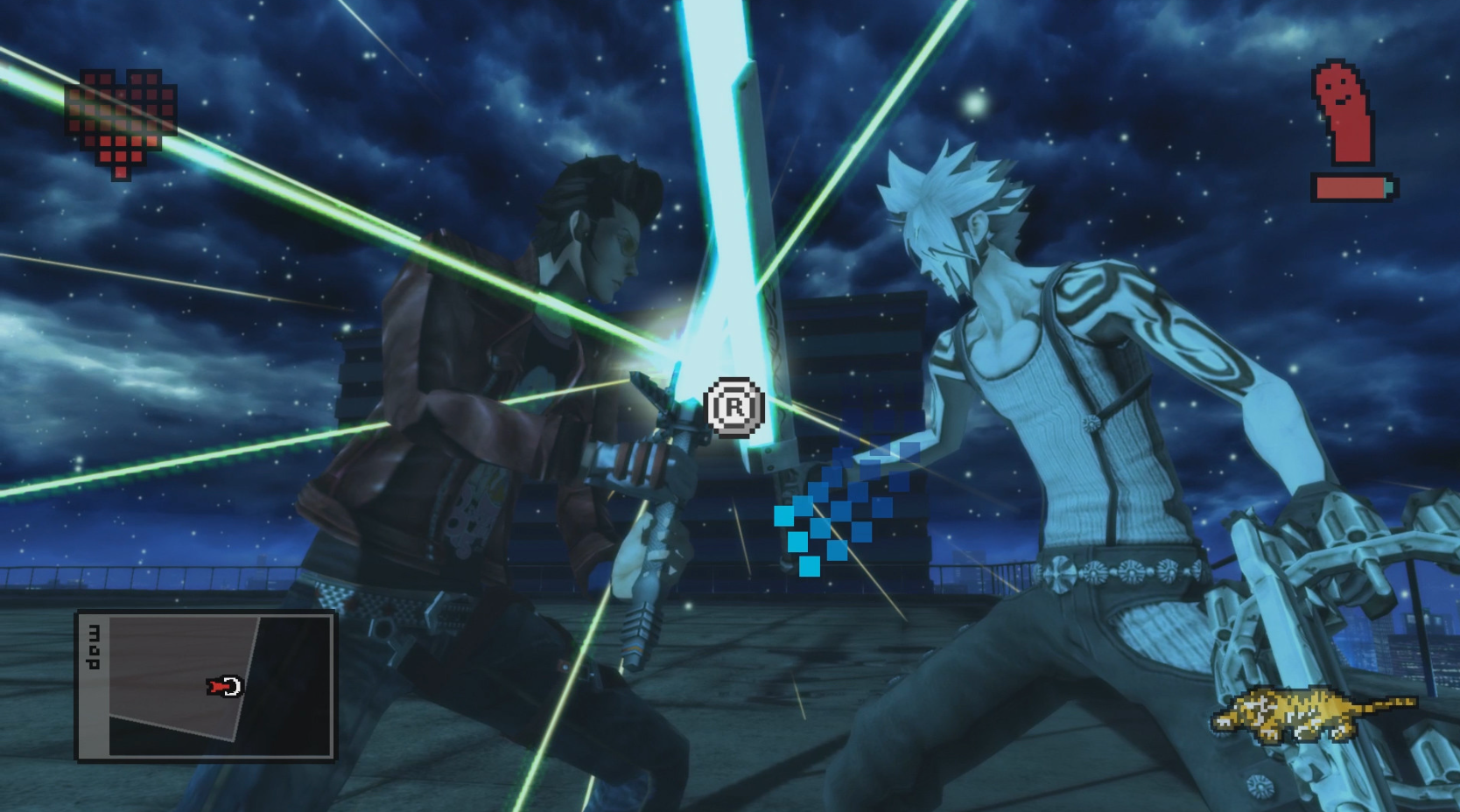
No More Heroes II: Desperate Struggle is a fun, short, arcade-style romp through a bunch of cool boss fights and setpieces. You gotta love setpieces. i have played the first one i promise it’s just not on this list
On the whole, I find I prefer Desperate Struggle to the first because the sacrifices/decisions it makes for the sake of its narrative feel more intentional. No More Heroes’ open world seems to be intended as a critique on the concept of open worlds as well as a showcase of Travis’ life, showing how hollow and lonely it is to live as him, a loser disconnected from the world. Except it has minigames, it has lost items strewn about the world, it has sidequests, it has too many of the staples of what it’s critiquing to feel like a criticism of it or for it to get that sense of loneliness – the thing the hollow and barren world design would be there to communicate – across. I get what they’re trying for, but ultimately, it just feels like they did a bad job at a normal overworld, and in turn, what they’re trying for feels like an excuse to justify it. Stuff like that.
Desperate Struggle’s efforts are more directed, I feel – the obnoxiously long parking lot gauntlet, the somber walks through the apartments, the final boss battle – and even if they’re not as extreme, a handful of levels or bosses doesn’t come close to the reach of an overworld, they convey the narrative much more cleanly, they’re not getting bogged down by what they’re ‘supposed’ to do. Most other games would stop you after the first 10 minutes in the parking lot and Desperate Struggle goes the full half hour.
When the game is trying in earnest to be enjoyable, it does so greatly. Desperate Struggle is, at its core, a boss gauntlet, a gauntlet that features a massive amount of distinct encounters that almost all demand different styles of play. Nathan Copeland, the first real boss of the game, is a fight based almost entirely around spatial awareness and overwhelming your senses way more than any reasonable first boss would. Margaret Moonlight, an atmospheric duel with a sniper that chases you across rooftops. Matt Helms, an extremely destructive heavyweight that destroys the arena and mandates constantly updating and checking your surroundings as the fight goes. The list really does go on, to the point where I don’t think there’s a single fight I dislike. Ryuji, Vladimir, hell, I’ll go up to bat for the final boss having an instant-kill if he punches you when you’re on the wrong side of him. That’s awesome. I’ll even go up to bat for Million Gunman. I’m one of those disgusting freaks who likes playing the Shinobu levels. You give me a character that jumps into the air like I’m flinging a pickup truck around with a phys gun in GMod, I’ll ask ‘how many obnoxiously mobile bosses do I get to fight with this thing’. I love Kingdom Hearts 1 platforming. That is my answer to that statement.
The soundtrack is great (a trait shared with the first game), the harsh visual style is great, every idea Desperate Struggle has is wilder than the last, the breakneck pace of the game compared to the first one helps set itself apart, all in all, it’s a phenomenal quick, fast, fun experience to knock out in a day or two.
2. OMORI
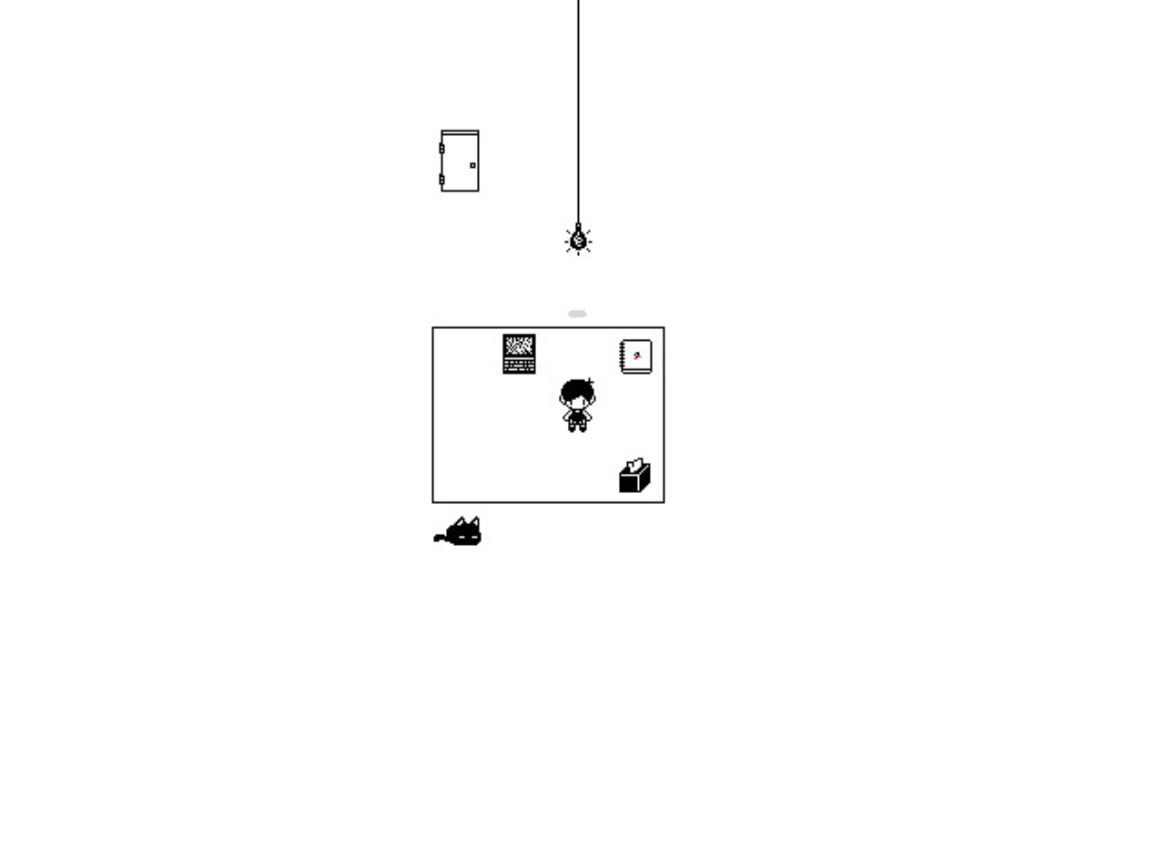
the particularly astute twitter gamer might be looking at OMORI in the top 2 and MOTHER 3 in the bottom 5 and be wondering if i was dropped on my head as a child
This is probably a really odd game to see placed this high up considering the notes I’ve shared on some games prior, but I quite like OMORI. The gameplay manages to avoid a lot of common RPG pitfalls—a lot of ability/”spell” equivalents are situational tools, their use cases made much more interesting via the emotions system that turns a seemingly rigid party setup into something more flexible, allowing the game to constantly demand more of you than just turning into a “press every character’s best button over and over” simulator as so many RPGs can. The combat system is simple on the surface, but has a lot of strengths in execution, and is very willing to let you challenge things you shouldn’t, laying encounter upon encounter of weirdly difficult or uniquely designed enemies in places you might not even think to go. The biggest complaint I have with combat is that you’re limited to just one accessory on every character, because being able to synergize abilities from those together would’ve been a really great way to hit a balance of making character building exponentially more fun while still retaining the system’s intended simplicity.
As for the world the gameplay takes place in, it’s aesthetically very pleasing, the pastel and childish colors selling an extremely earnest story and being surprisingly adept at becoming moody and emotional (the entire final dungeon and its buildup are one of the strongest portions of any game I’ve ever played in terms of its music and visuals). When it tries to be haunting and esoteric in a dream-like quality, the game manages to feel distinct from its inspirations while very obviously pulling from them – it does feel a little too Yume Nikki-esque at the breaking point, but I can give it the short timeframe to go nuts considering how strong the rest of the game’s identity is. It’s also surprisingly restrained: I massively appreciate that there were maybe a handful of actual “scares” while still being content to constantly fake you out with them. A tease of a game, OMORI is.
The main cast is extremely well-rounded, and there are small glimmers of an impressive level of humanity in the characters that make it impossible for me to not love any of them, and the game’s core themes are ones that it expresses in a very strong and thoughtful way. I really love and respect that the game ends like it does. My only major complaint with the narrative is that I think the game signals the ‘main’ twist too hard to the point where I was second-guessing myself on if something else was supposed to be a twist. It’s not a case like Fata Morgana where it feels like it’s doing it out of obligation (“If you can correctly guess what the main twists are, you will also know exactly when they will happen and what other narrative events will also happen to facilitate the twist happening/being revealed there, so you figure out nearly the entire rest of the narrative by the halfway point of the game”), but it was a shame to be going into the big twist segment and basically already know what it was going to be. I’m not going to hold it against the game, but I do feel like it plays its hand a bit too early.
Ultimately, I find OMORI to be a really fun and enjoyable game, managing to get the core of what makes an RPG good – fun gameplay, atmospheric world, good characters, engaging story—across in an extremely compact experience that blends it with the horror genre in a way that gives it a unique flavor without ever feeling obnoxious, and it is easily my favorite of the indie RPGs it is often associated with. I didn’t expect to go in liking it as much as I did, but it’s always a pleasant surprise when that sort of thing happens.
let’s get down to busine
1. The Hundred Line: Last Defense Academy
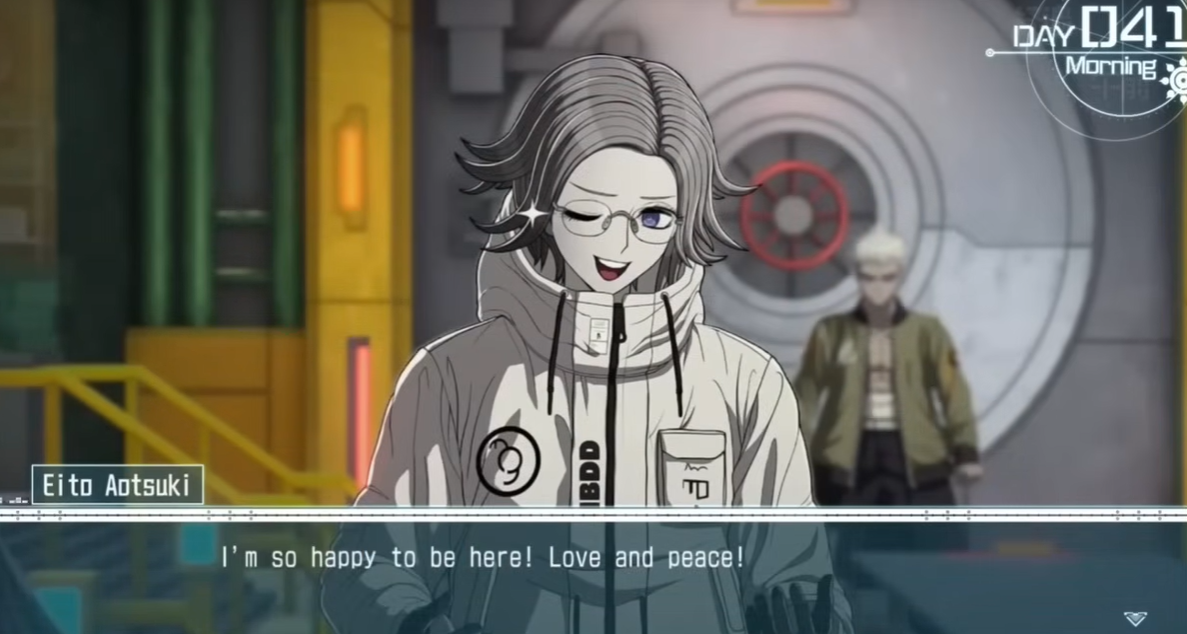
darumi is going to say either “hawk tuah” or “67” in the dlc screencap this
GAMES I DIDN’T FINISH BUT WANT TO MENTION OR I DID FINISH BUT I DON’T HAVE A LOT TO SAY OR I DI
Patrick’s Parabox
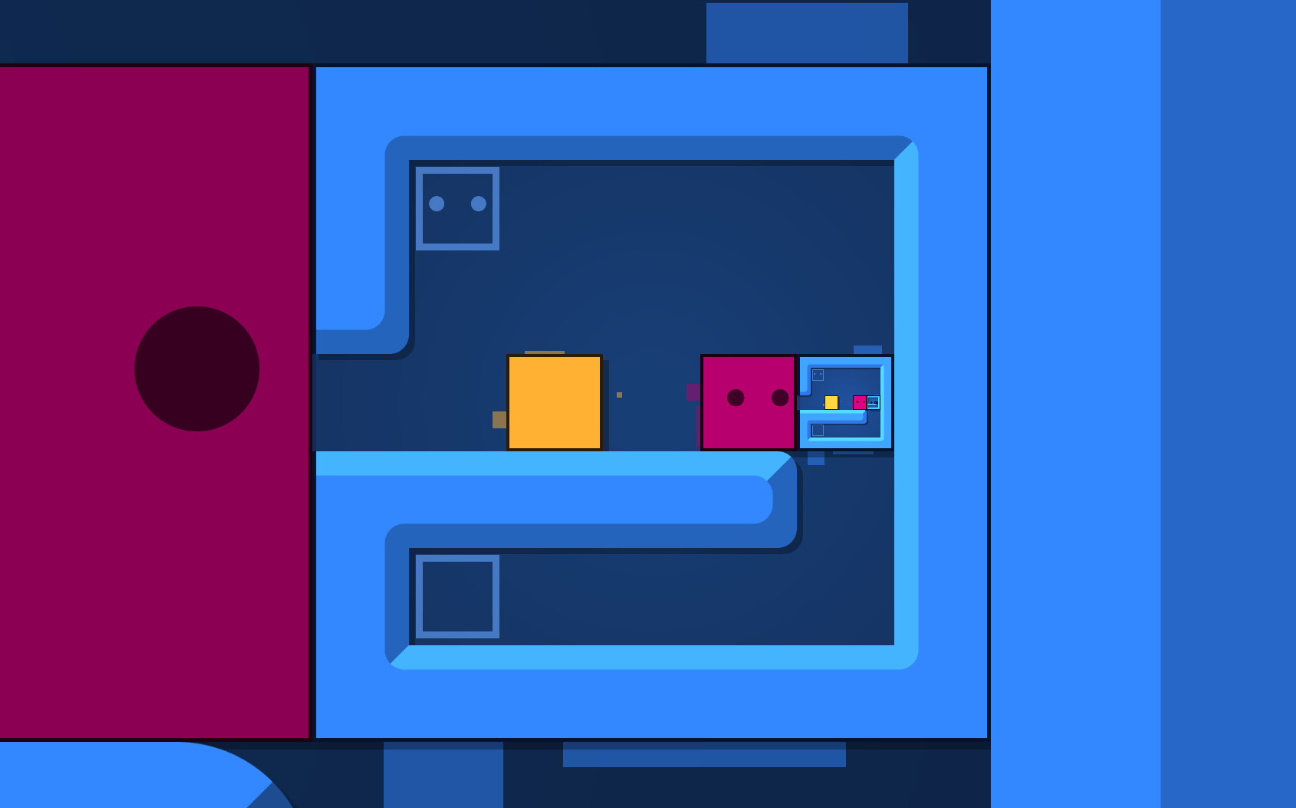
This is an extremely strong and mechanically sound Sokoban game. I cannot recommend it enough to someone who has an interest in the genre for both its breadth and its depth, it’s just kind of hard to write anything interesting on this game because it is the purest ideal of a puzzle game. It’s a really great game you should play when you get the chance but I could also just review it in its entirety in a Bluesky post.
Gore Screaming Show
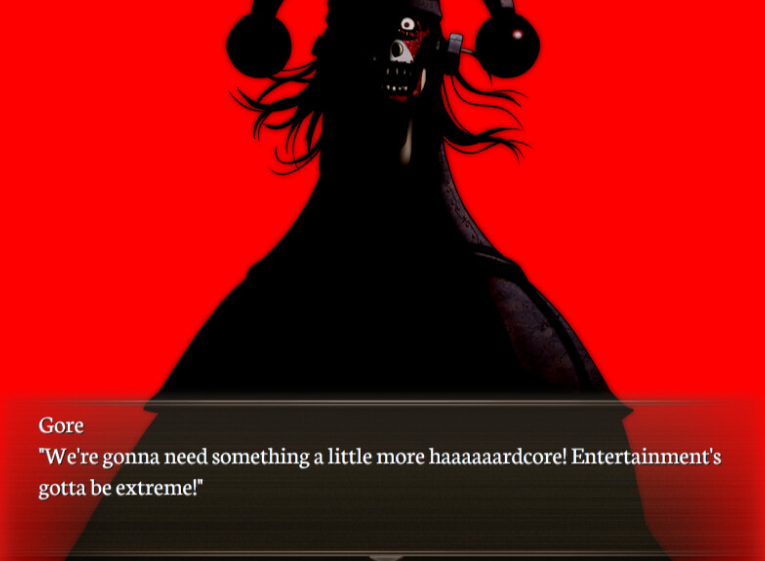
I was on track to finish it last year but then the laptop I was reading it on killed itself. It saw one too many of the CGs, I guess.
It’s a lot better than what I expected when someone told me to read a visual novel called ‘Gore Screaming Show’. My standards were admittedly not super high initially, but I like denpa, I like the fantastical set against the natural, the disconcerting reality and disconnect from reality they bring. It’s fun and it’s nice to read something that does so while also just being gory and disgusting as fuck sometimes. I can see what Darumi Amemiya sees in this stuff.
I gotta hop on more eroge, he said, and then they dragged him away from the Gamesline website kicking and screaming
Oh… Sir!!: The Insult Simulator
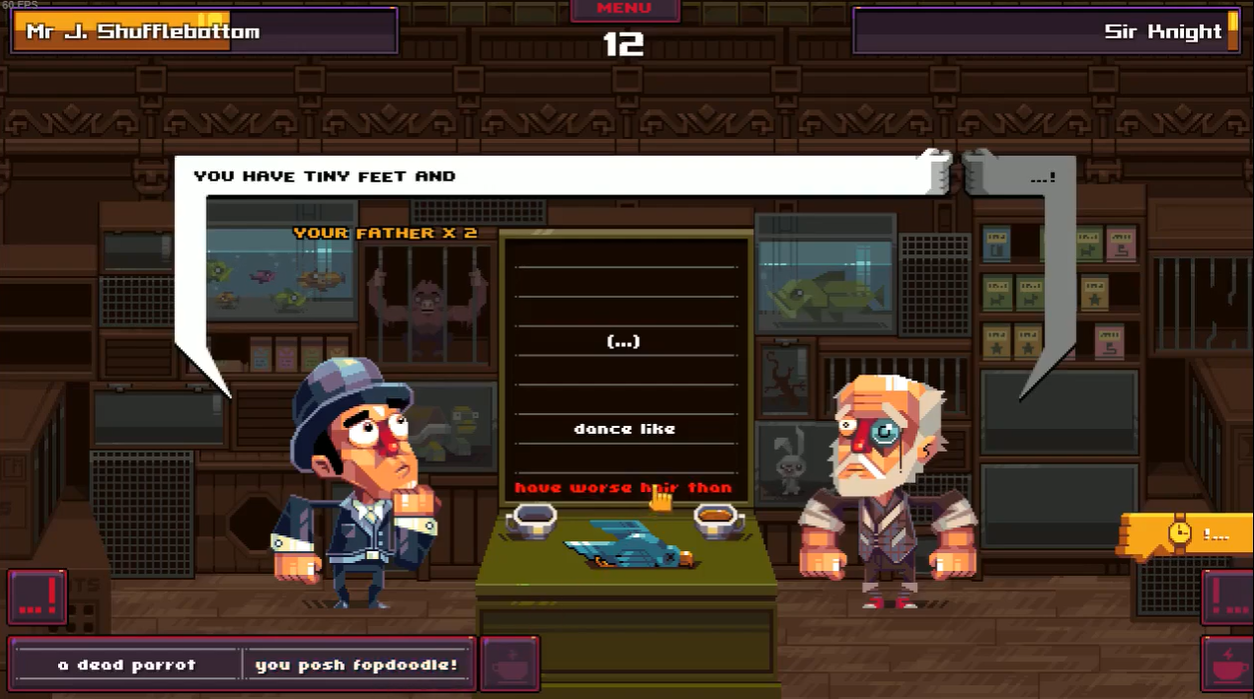
you can play as/against hp lovecraft in this game and while that would normally be kinda lame you deal critical hit damage to him if you call him a racist which means it actually fucking rocks